Modern performance cars are selling numbers. Not driving dynamics. Just big, shiny numbers. 600 HP. 800 HP. Turbo everything.
Why? Because numbers sell. They create a hierarchy on a billboard. A 300 HP coupe might dance through switchbacks with the grace of a ballerina while the 600 HP sedan feels like a boulder, but does anyone notice that on Instagram? No. The industry knows this. Turbochargers are now the default. You get the peaky torque figures. You meet emissions. You make a car that weighs two tons.
The result? Heavy. Numb. Electronic.
Look at the hot hatch world. Golf GTI. Hyundai Elantra N. Sure they punch hard. Straight line torque is addictive. But to get that punch, you add intercoolers. You thicken the chassis. You beef up the transmission. All that extra mass needs all those adaptive dampers and torque vectoring systems just to keep it glued to the pavement. The computer mediates the drive. It filters the soul out.
The paradox is rich. These cars are objectively faster than anything from twenty years ago. They just don’t feel fast on a Sunday drive. Why? Because you hit the limit of sanity so quickly.
“The technology is impressive. It just kills the joy.”
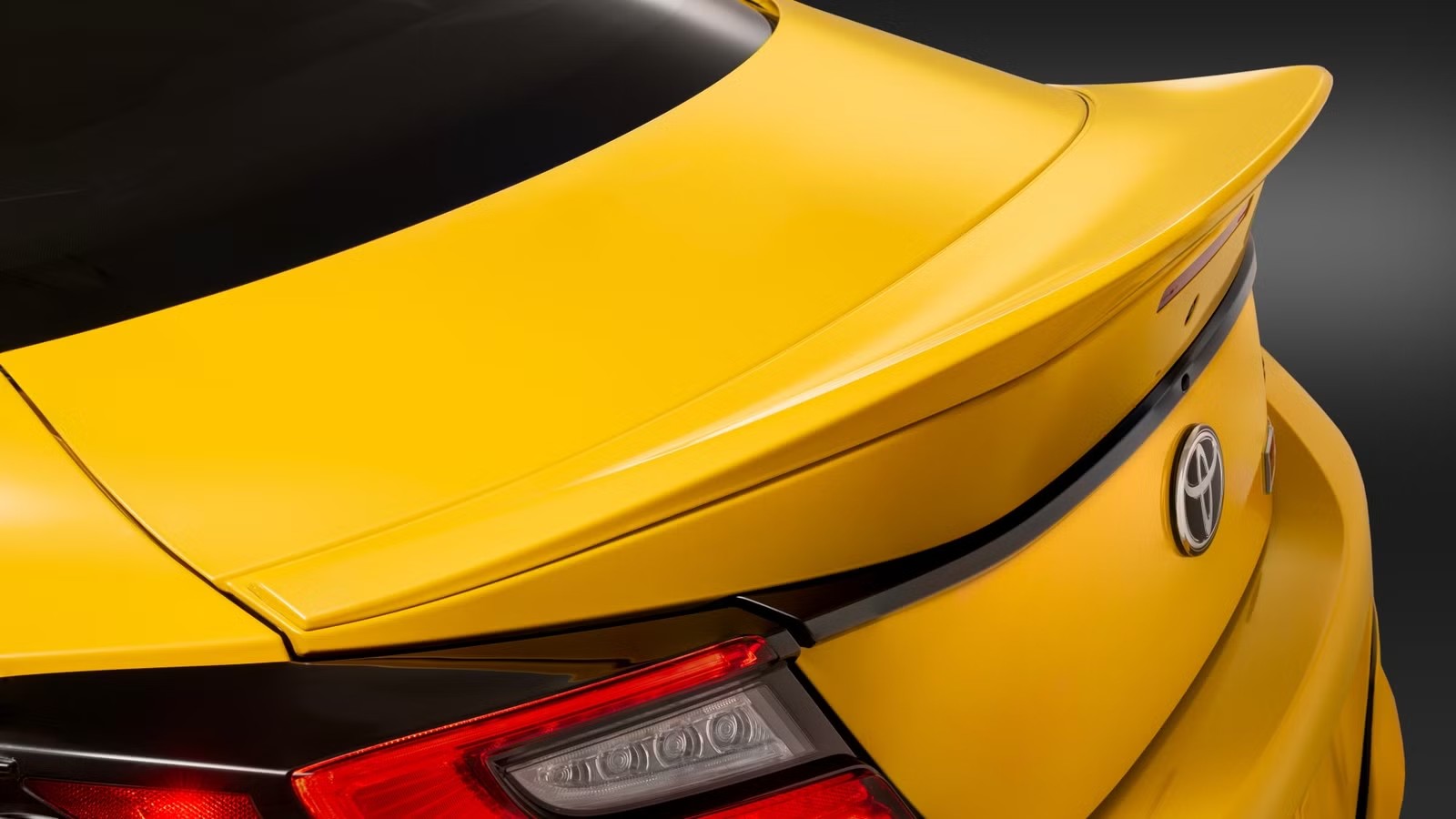
Enter the Toyota GR86.
Less Is Actually More
The 228 horsepowers it puts out would have been laughed out of a dealership in the early 2000s. Today? It feels illicitly fast.
Secret isn’t the engine. It’s the weight. 2,810 pounds. Give or take. That number changes everything. The naturally aspirated boxer engine doesn’t wait for boost pressure. It doesn’t surge unpredictably. It responds. You press the pedal, the wheels turn. It’s linear. Mechanical. Real.
The 0-to-60 sprint hits in about 5.4 seconds with the manual. Fast? Yes. But more importantly? Usable.
The car has a near 53/47 weight split. Low center of gravity because that engine sits so far down in the chassis. Turn the wheel, the car commits. The suspension is firm for the twisties but soft enough to not break your spine over potholes. Toyota resisted the urge to make it a spaceship. It feels like a car. A car you can talk to.
Most modern rivals need 3,000 RPM and a prayer to wake up. The GR86 is awake at a walk. You don’t need to floor it to have fun. A gentle slide is a feature here. A necessity in the heavier stuff.
The Refusal To Compromise
Toyota and Subaru could have turbocharged this thing.
They really could. Fans screamed for it since the original Subaru BRZ debuted over a decade ago. Turbo it, sell it, move on. Easy.
They said no.
Engineering isn’t magic. Add a turbo, you add an intercooler. You add piping. You add weight. Weight is the enemy of handling. Also? The hood goes up. The low profile is key to that flat four sitting so low. Ruin that package and you ruin the car’s personality.
And then there’s the torque curve. Turbocharged engines dump power in waves. Great for drag strips. Terrible for precise cornering in a lightweight chassis. It wants to break loose before you’re ready.
The NA engine gives you control. Throttle modulation. Precision. The torque peak is higher now (3,700 RPM) than in the last generation. No more dipping your foot mid-turn hoping it catches. Just pull through.
It’s funny when you compare it to the BRZ sibling. Same bones. Different soul. GR86 has solid sway bars. Playful tail. BRZ has hollow bars. Tame stability. Tiny tweaks in spring rates. Toyota tuned for chaos. Subaru tuned for compliance.
Obsessed over feel, not peak HP. That’s the difference.
Why Heavy Cars Are Slow
A 2,800 pound car doesn’t need to be pushed hard. It carries its own momentum.
Try this thought experiment: brake in a 4,500 pound sedan versus the GR86. Distance shrinks in the lighter one. Directional change happens instantly. You’re already moving in the new direction.
High horsepower cars rely on straight lines for drama. Then the drama fades. You’re left with a boat that’s heavy. Tired.
The GR86 lets you find a rhythm. Flow state. You feel the tire loading up through the plastic wheel. You feel the weight transfer. Information. Feedback. Confidence.
Compare that to a 500 HP muscle car. It dominates the quarter mile. Then what? It’s slow on a road course. Slow on a tight back street. The mass dulls every input.
This goes back to the 90s. MX-5s. MR2s. Japanese engineers knew the truth back then: engagement beats horsepower every time. The GR86 brings that spirit forward. With better brakes and slightly more power, sure. But the soul is identical.
$30k gets you into it. Not slow by any means. But accessible. You don’t need a racing license to explore its limits. Just decent judgment.
A Daily Driver? Sure.
Let’s be honest. Living with a supercar is miserable.
Low speed traffic kills them. They hunt. They jerk. The turbo lag makes stop-and-go feel abusive. Maintenance is a hobby. Fuel bills are a donation to the oil majors.
The GR86 doesn’t care about city traffic. Linear power means smooth creep. The light weight makes it agile in tight spaces. Suspension compliance keeps the road bumps from rattling your fillings loose.
Reliability is there too. J.D. Power scores it 79. Decent. CarEdge puts 5-year maintenance at around $1,5711. Cheap for a sports car. Plus, it’s a Toyota. Every town has a shop. Parts exist. It won’t hold your wallet hostage.
The Loyalty Trap
Stats don’t show it. But loyalty does.
Enthusiasts keep these cars alive. For years. Modern fast cars depreciate into dust as new models with more screens come out. The GR86? Analog appeal is timeless.
No fake exhaust note pumped through speakers. No 15-inch iPad in the dash isolating you from the drive. Just mechanics. Balance. Grip.
It outsold the Miata recently. Legend? Check. But the GR86 is practical.
Depreciation is gentle. ~12% year one. ~23% after five. Most cars hemorrhage value faster than that. Why? Because drivers keep it. They fall in love with the driving dynamic. It stays fresh.
Toyota and Subaru realized enthusiasts don’t actually want more power.
They want honesty.
228 horsepower isn’t a compromise. It’s a statement. In a market screaming “MORE BOOST!”, this car whispers “feel the road”. It might just be the most sensible way to drive a car.