Wrap yourself in fleece and close the drafty windows. You do this to protect yourself from the cold. Your car will not survive the season with goodwill alone. It needs the same level of rigorous prep you give yourself. Even if your vehicle is equipped for winter, the way you drive may change when the temperature drops. Ice and snow don’t care about your horsepower. They demand respect. They need different practices.
When the first snowstorm hits, most of us put on heavy boots and a thick coat. Make sure your vehicle has the same armor. The effort you put into preparing your car and handling slippery roads isn’t just to avoid tow trucks. It’s for survival.
This guide details what your car needs to survive the cold. We present the equipment you should take with you on a winter road trip. Let’s see how to control traction on black ice. We also give instructions on how to act if a traffic accident occurs on a bad road.
Preparing for winter driving
Protecting yourself from the cold is not a luxury. This is maintenance. If you ignore this, you’ll end up rolling the dice every time you turn the key.
Start with tires. All-season rubber typically hardens and loses its grip at temperatures below 7 °C. If it snows where you live, replace your tires with special winter tires. They use softer compounds that stays flexible in the cold. The difference in braking distance is very noticeable. Check the groove depth. If it’s near the wear bars, replace them.
Next, let’s look at the battery. Cold weather can damage the battery. The internal chemical reactions slow down, the oil thickens and the engine becomes difficult to turn. Test the condition of the battery before freezing. Clean the connectors. Corrosion progresses and the flow is blocked. In the summer, it’s a problem when the battery charge is low. In winter, it’s a stranded driver.
Fluid is also important. Check the antifreeze mixture. A normal 50/50 mix provides protection down to about -34°F (-36°C). Cold climates may require a thicker mixture. Don’t guess. Use a tester. Also fill with windshield washer fluid. Especially designed for winter use, it doesn’t even freeze on the glass. When it freezes outside, ordinary water can cause blindness.
Your lights are your voice to other drivers. In whiteout conditions, visibility drops to near zero. Check all light bulbs. Replace any that are dim or burnt out. Clean the lens. Grime reduces output significantly.
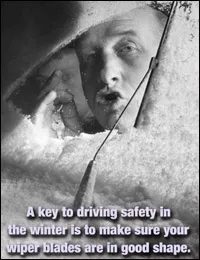
Don’t forget your wipers. Old blades may have streaks. They get dirty in the snow. Change to a winter specific blade with a heating element or rubber cover to prevent freezing.
Finally, check the exhaust system. Even the smallest leak can let carbon monoxide into your car. It’s odorless. This is deadly. Before it snows, have a mechanic check the gaskets and connections.

Winter isn’t coming. It’s here. Stop dreading the gray, dirty snow season and start preparing. The change of seasons is the perfect time to check the condition of your car before the first snow falls. A small problem ignored in July can turn into a roadside disasters in January. By performing a few simple checks now, you can ensure that your vehicle remains drivable even when the temperature drops.
Professional pre-winter inspection
Don’t guess. Take your car to a mechanic and ask for a special winter checklist. You need to check the condition of the battery, antifreeze level and thermostat. Test the heater and brakes. Don’t forget the defroster.
If any of these parts fail, repair them immediately.
Waiting for it to cool down and the problem becomes apparent is not a very good strategy.
Cold region tire strategy
Check the groove depth. Replace if worn. But switching to generic all-seasons isn’t enough to meet harsh winter driving requirements. Change to special winter tires. Bridgestone Blizzak is a proven choice. It has a tread pattern that grips ice when other tires slip. These are designed for extreme conditions. If you live in an area with a lot of snow, this swap is non-negotiable for your safety.
Lighting check and visibility
Visually check all the lights on your vehicle. front, back and sides. Make sure they are all working properly. Test the hazard flashers in particular. Visibility is the only thing that will keep you safe in a blizzard. If the bulb is broken, replace it.
Fluids That Won’t Freeze
The windshield washer fluid freezes. It’s that simple. Using summer mix can cause the tank to freeze or the pump to crack. Drain. Fill it with winter-rated fluid and can be sprayed even in freezing temperatures. Affordable blindness insurance.
Wiper Blades and nozzle
Normal wipers do not work in snow. They chatter. They leave streaks. Buy winter-specific blades. You can handle ice and slush without freezing to the glass. Also check the nozzle. It gets clogged with wax and dirt. Use a needle or pin to clear the holes. You want an even, strong spray pattern.
Protect your paint
Road salt can corrode the paint. It eats metal. It will eat your investment. Wash your car periodically during the season to remove salt build-up. However, remember to clean it well and apply fresh wax once a month. This protection prevents corrosion. It can make your car look new instead of rusty.
These steps will help you get your car ready. But preparation requires more than machines. This applies to you. The next section describes what you should pack yourself.
Pack your car for a winter trip
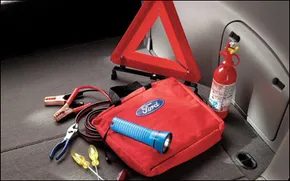

Slipping on black ice or falling in deep snow is more than just an inconvenience. This is a potential emergency. You can reduce your risk by keeping the right gear in your trunk before the first snowfall.
Survival Essentials
Start with fuel. Keep the tank at least half full during the winter. This isn’t just about range; Prevents the formation of condensation in the fuel line and facilitates starting in freezing temperatures.
Next, communication. If you carry a cell phone, ensure it’s charged. Connect the car charger to a power source or store it in the glove compartment. Dead batteries in dead weather are a dangerous combination.
To ensure personal safety, you need tools and food. Store a snow scraper and a shovel in the vehicle. Pair that with a fully stocked first aid kit. Supplement your standard kit with winter-specific additions such as a flashlight, extra batteries, warm blankets, matches, extra clothing, bottled water and non-perishable foods. Peanut butter, peanuts, and granola bars provide essential protein and carbohydrates to keep you warm when you’re stuck.
Grip and visibility
Rear-wheel drive drivers have special advantages that must be managed. The engine is placed in front and the rear light is kept, which makes it easier to slide on ice and snow. To solve this problem, place a small bag of sand or cat litter in the trunk. It provides immediate traction if you get stuck.
Visibility is non-negotiable. Clear every surface before you move. Not just the windshield. Keep the hood, roof, taillights and taillights free of snow and ice. It takes thirty seconds. It saves you from an accident caused by blind spots. It also prevents the ice from turning into projectiles and endangering other drivers and your vehicle.
Maintaining Control on Dangerous Roads
When the road gets flat, your instincts fight back. you have to cover them.
Steer where you want to go. If you skid, do not make sudden movements of the steering wheel. Look at the path you want to take. Turn slowly in that direction. The car follows your eyes.
**Brake gently. ** If you don’t have anti-lock brakes (ABS), brake lightly to avoid locking up. If equipped with ABS, apply steady, firm pressure. Let the system do the work. It is normal for your car to squeal when you hit the brakes. Don’t let go.
If you run off the road, don’t panic. Release the gas pedal. Do not use sudden brakes. If you must return to the pavement, do so slowly and gradually. If you accelerate quickly after returning to the road, you may skid again.
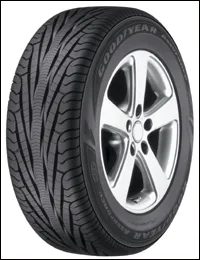
Winter storms can disrupt both travel and commuting. they kill people. The US Department of Homeland Security’s Federal Emergency Management Agency (FEMA) has identified motor vehicle accidents as the leading cause of death during severe winter weather. It isn’t about luck. The question is whether you can handle the slippery surface or panic and spin out into a snowbank. Defensive driving isn’t a suggestion here. This is the only thing between you and the icy roadside.
Check the condition before turning the key. Listen to accident information, road closures and warnings on the radio. If you can’t hear a voice over the radio waves, call your local highway patrol. Plan your route to avoid roads that are known to be death traps in bad weather. If the road is closed, don’t try to rush through. Tell someone the path you want to take. If you get into trouble, this information is the starting point for your search and rescue team.
The Hidden Dangers of Bridges and Momentum
Bridges and overpasses freeze before the rest of the pavement. They lose heat from all sides, not just from the bottom. Slow down before you reach them. Avoid sudden acceleration or sudden braking. Sharp inputs break traction instantly.
Drive with gentle impulses. Ease into the throttle. Turn the wheel slowly. Apply the brakes early and carefully. Leave a wider distance to the vehicle in front of you than in dry conditions. Predict stops and lane changes in advance.
But don’t crawl. You need momentum to push through heavy snow. Too slow and you lose momentum. Too much and you lose control. Find your balance.
Avoid trucks. They are heavier. A longer distance is needed to stop. Their tires spray snow and slush into adjacent lanes, which obstructs visibility. Stay away from them.
If you are driving an all-wheel drive (AWD) or four-wheel drive (4WD) vehicle, resist the urge to feel invincible. These systems send power to all four wheels and help with starting from a stop. It does not affect stopping distance. In fact, four-wheel drive and all-wheel drive vehicles are heavier than two-wheel drive vehicles. Stopping takes “more” time and braking force. Trust your brakes, not the drivetrain.
Visibility and Control in Whiteouts
Visibility was reduced to zero due to the white roof. Black ice is an almost invisible layer of ice that forms when snow melts and freezes. These conditions make driving unpredictable. If you slip, steer into the slide. Don’t overreact. Overcorrection often causes the car to spin.
If your car is equipped with an anti-lock braking system (ABS), the computer applies the brakes in a skid. You can feel the pedal pulsating under your feet. Do not apply the brakes by hand. Let the system work. If you drive a car without ABS brakes, apply light pressure on the brakes to prevent them from locking.
What to Do If You Get Stuck
If you crash or get stranded, stay calm. Follow the instructions below.
Move your car to the right side of the road and as far away from traffic as possible. Stay inside with your seatbelt on. Turn on your hazard lights so other drivers can see you. If you have flares, use them. The same effect can be achieved by tying bright piece of cloth to the antenna.
If you get stuck in the snow, straighten your wheels. Accelerate slowly. If you spin your tires, they will only sink deeper. Rock the vehicle back and forth using its weight and momentum to wiggle free.
If you can’t move, run the engine only for a few minutes at a time to stay warm. Open the window slightly to let in some fresh air. Make sure there is no snow in the exhaust pipe. Carbon monoxide is odorless and deadly. Do not let it drift back into the cabin.
Agencies like AAA and FEMA agree on one thing: stay off the roads if the weather is too dangerous. If you don’t know how to steer your car in a storm, you, your passengers and other drivers are at risk. Preparing your vehicle and anticipating dangers can save lives.
Winter Car Accidents
The physics of winter driving are unforgiving. The attraction caused by snowstorms or black ice is negligible. When you lose control, your instincts will fight you.
In vehicles with anti-lock brakes, the system automatically adjusts the brake pressure to prevent the wheels from locking up. You will feel a vibration in the pedal. This is normal. Hold firm.
For old vehicles without ABS, you must manually pump the brakes. Apply pressure, release and repeat. This mimics the functions of anti-lock brakes and helps maintain steering control during deceleration.
Stay safe when trapped
Getting caught is a nightmare. Preparation is key.
- Positioning: Stay as far away from traffic as possible. Use hazard lights.
- Signal: Use flares or bright fabric on the antenna to warn other drivers.
- Extraction: Straighten the wheel. Accelerate slowly. Rock the car back and forth to gain traction. Avoid wheel spin.
- Survival: Running the engine for a short time produces heat. Open the windows to circulate the air. To prevent carbon monoxide poisoning, make sure the exhaust vent is clear of snow.
Final thoughts
Winter driving requires consideration of the environment. Bridges freeze first. Trucks stop later. Four-wheel drive vehicles have poor braking performance. Visibility vanishes in whiteouts.
You can’t control the weather. You can only control your own vehicle. Learn how to maneuver. Expect danger. If it’s not safe, stay off the road. your life depends on it.
Related blog posts
- 10 best tips for winterizing your car
- Explanation of the fall accident
- Why is it hard to start my car in winter?
- car Safety quiz
- Top 10 car maintenance tips for the summer
More attractive links
- Click the car talk!