The first-quarter sales data from Mercedes-Benz reveals a complex, fragmented landscape. While the automaker reports pockets of significant growth in luxury and electric segments, the overall picture is clouded by inconsistent reporting methods and a sharp decline in key markets like China.
The US Market: Growth Amidst Data Gaps
In the United States, passenger car retail sales saw a 3% decline, totaling approximately 70,000 units. However, analyzing these results is becoming increasingly difficult for observers. Mercedes has moved away from providing a detailed breakdown by specific model, opting instead to group vehicles together. This shift allows the company to highlight high-performing segments while obscuring underperforming ones.
Despite the overall dip, certain luxury models showed remarkable resilience:
– Maybach: Up 22%
– SL: Up 47%
– G-Class: Up 16%
– GLE & GLC: Up 19% and 17%, respectively
While these numbers suggest a strong appetite for high-end, flagship models, the lack of transparency extends to the electric vehicle (EV) lineup. The company notably omitted any mention of the EQE or EQS series in its report. Furthermore, while Mercedes noted “building interest” in the upcoming CLA, they provided no specific data to back this claim, suggesting that availability issues—prioritizing Europe over the US—may have hampered initial sales.
Global Trends: The China Slump and the EV Pivot
On a global scale, the performance is equally uneven. Total passenger car sales fell by 6%, dropping to roughly 419,400 units. This decline is driven largely by a massive contraction in the Chinese market, where sales plummeted by 27% to approximately 111,600 units.
This downturn in China is a critical metric for the industry; as one of the world’s largest luxury markets, a double-digit decline there signals significant headwinds for premium German automakers, potentially due to shifting consumer preferences or increased local competition.
Conversely, the electric transition is showing signs of momentum:
– Global EV sales rose by 9% (approx. 44,300 units).
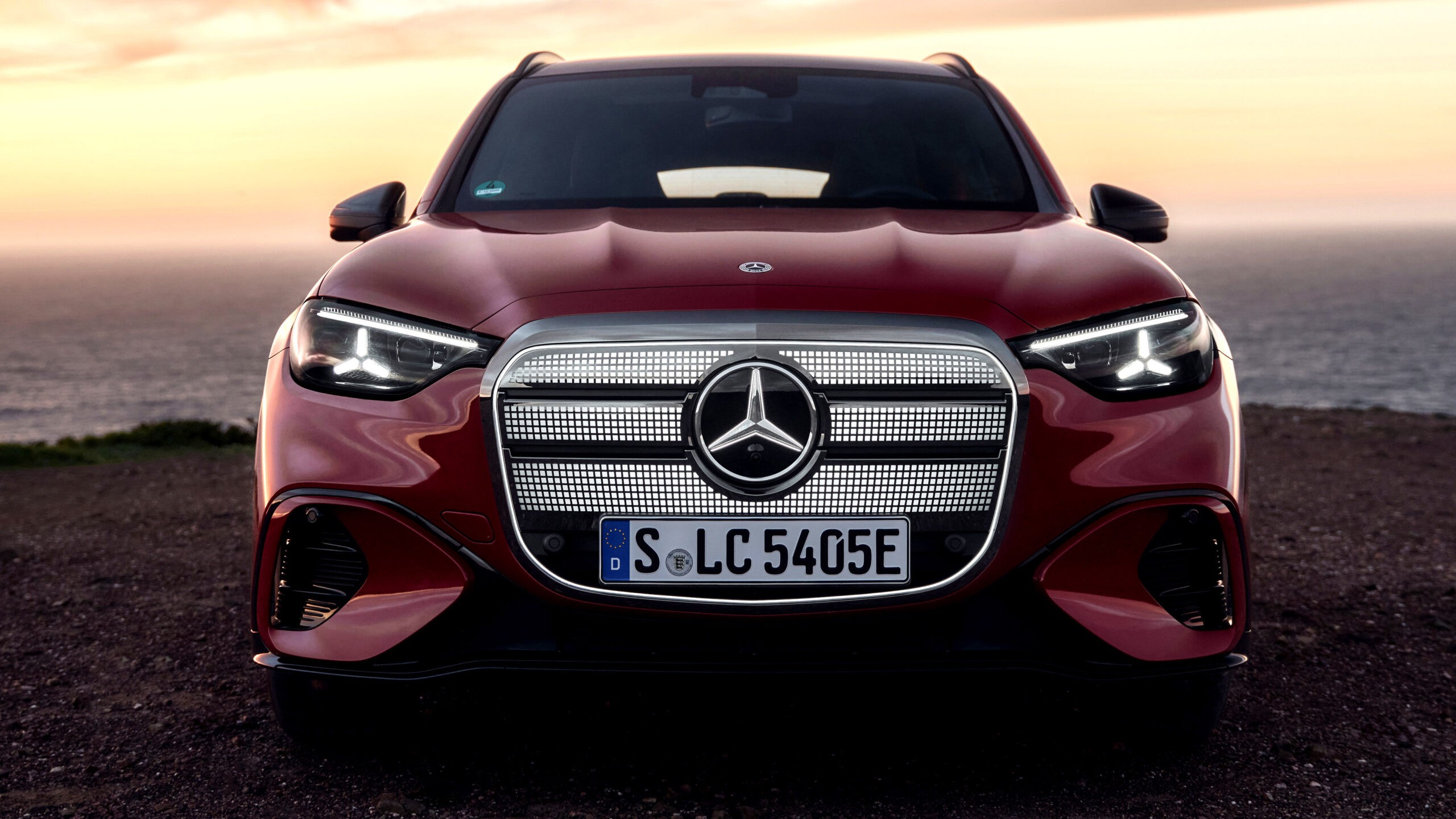
– Mercedes claims the new electric GLC has generated more orders in three months than any other EV in the brand’s history.
– Order books for several electric models (CLA, GLB, GLC) are reportedly full through the second half of the year.
Discrepancies and Van Sales
A notable point of confusion arises from the discrepancy between regional and global reporting. While US retail sales were reported at 70,000 units, the global release cited American sales as being up 20% at 81,100 units. This inconsistency—likely a result of the difference between “retail sales” and “preliminary total figures”—makes it difficult to establish a definitive baseline for the brand’s US performance.
The commercial segment also faced challenges, with global van sales falling 3% to roughly 80,300 units. While EV van sales spiked by 29%, the total volume remains low at 6,100 units, indicating that the transition to electric commercial fleets is still in its early stages.
The Bottom Line: Mercedes-Benz is successfully leveraging its ultra-luxury and high-end SUV segments to offset broader market declines, but the brand faces a significant challenge in stabilizing its presence in China and providing clear, consistent data across its diversifying electric lineup.