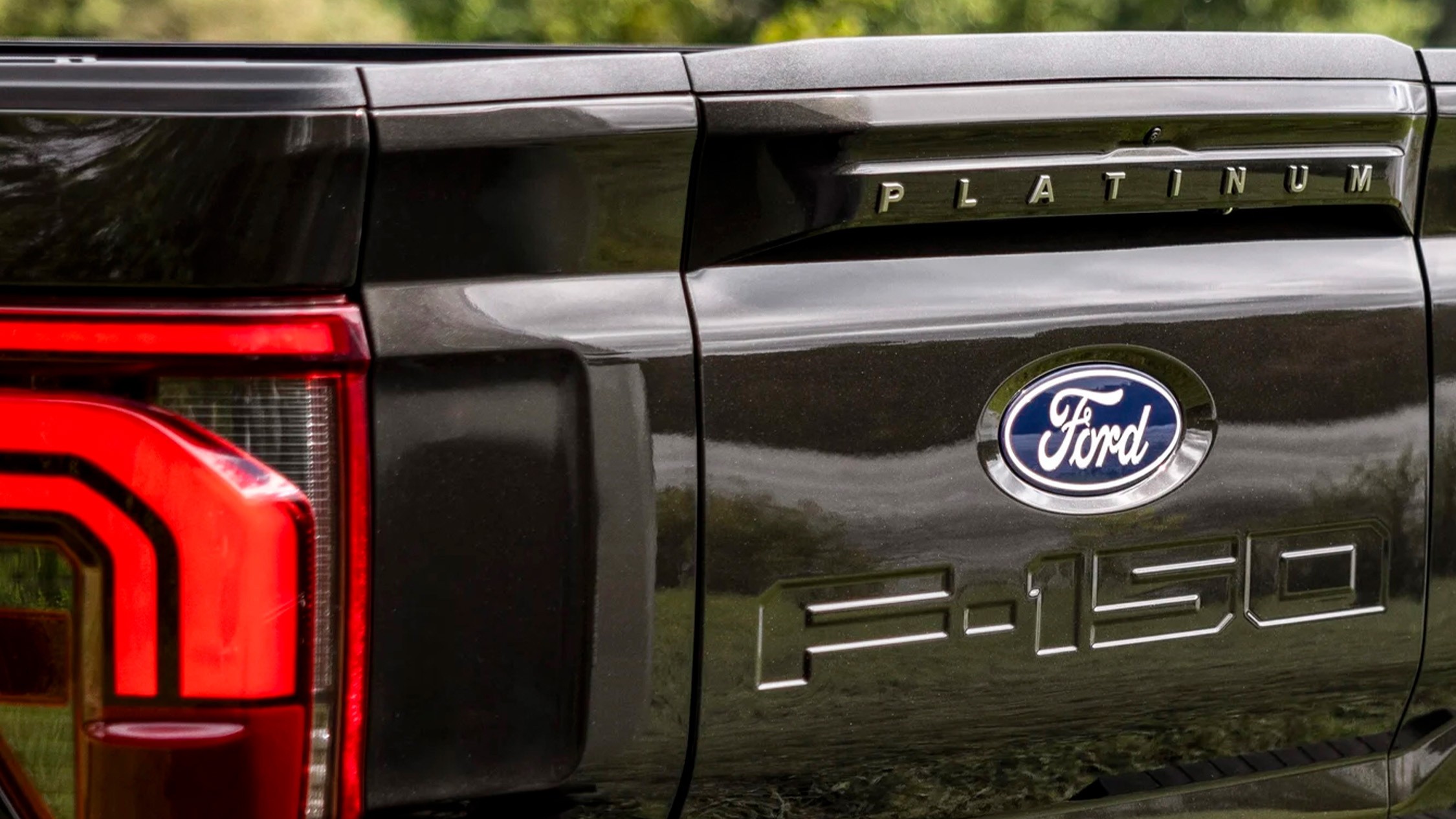
Ford is facing a perfect storm of supply chain failures and potential regulatory hurdles that threaten its most profitable segment: the F-150 pickup truck. What began as a localized industrial accident has evolved into a complex geopolitical and economic challenge that could impact the price of American-made vehicles.
The Aluminum Crisis: From Fire to Import Duties
The trouble began with two major fires at a key aluminum supplier in New York. This facility was a critical link in the supply chain for lightweight aluminum used in truck bodies. The disruption didn’t just affect Ford; it also impacted industry giants General Motors (GM) and Stellantis.
Because the domestic supply was severed, Ford and its competitors have been forced to source aluminum from overseas. This shift has triggered a cascade of financial pressures:
– High Import Costs: Replacement aluminum is currently subject to heavy import duties of 50%.
– Passed-on Expenses: These massive costs are absorbed by automakers, which ultimately puts upward pressure on vehicle prices.
– The “Finished Product” Risk: A potential shift in how tariffs are applied could be even more damaging. Instead of taxing the raw metal, the government may apply a 25% duty to the finished F-150s simply because they contain imported components.
A Standoff with Washington
Ford has sought relief from the White House, requesting a temporary easing of these tariffs while domestic production stabilizes. However, the government has so far declined to intervene.
The White House has signaled that the automotive industry has already received significant relief in other areas, such as duties on imported car parts. This creates a difficult tension between protecting domestic industry and preventing supply chain bottlenecks that hurt American manufacturers.
The Economic Impact: Sales and Production Slump
The fallout from these disruptions is no longer theoretical; it is actively appearing in Ford’s financial reports. The instability has created a ripple effect across the company’s performance:
📉 Declining Sales and Inventory
- F-Series Sales: Experienced a significant 16% drop in Q1 as inventory tightened.
- Overall US Sales: Ford’s total US sales fell by 8% in the first quarter.
- Substitution Challenges: While Ford has attempted to pivot customers toward the midsize Ranger, market data suggests that F-150 loyalists are not easily swayed to smaller truck classes.
💰 The Financial Toll
The cost of these disruptions is staggering. The initial fire incidents cost Ford approximately $2 billion last year, and projections suggest an additional $1 billion loss in 2026 due to ongoing supply issues.
Looking Ahead: A Long Recovery
To mitigate the damage, Ford is taking aggressive steps to recover lost ground, including:
1. Ramping up production later this year.
2. Canceling traditional summer factory downtime to maximize output.
Despite these efforts, the outlook remains cautious. The current supply constraints are expected to impact F-150 availability well into 2026, making this a long-term hurdle rather than a short-term glitch.
Summary: A combination of domestic supplier failures and aggressive import tariffs is squeezing Ford’s ability to produce its flagship F-150, leading to multi-billion dollar losses and a significant slowdown in sales that may last for years.