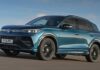
Volkswagen plans to keep its popular Tiguan SUV in production until at least 2035, defying the industry’s rapid shift toward electric vehicles. The company will implement two substantial updates in 2028 and 2031, ensuring the current internal combustion engine (ICE) model remains competitive for over a decade. This strategy highlights Volkswagen’s cautious approach to electrification, balancing EV development with continued demand for traditional powertrains.
Tiguan’s Prolonged Lifecycle
The decision to extend the Tiguan’s lifespan comes as many automakers accelerate their transition to all-electric lineups. However, Volkswagen recognizes a substantial market still prefers ICE vehicles, particularly in regions with less aggressive emissions regulations or slower EV infrastructure development. The Tiguan, built on the MQB Evo platform, will receive significant upgrades rather than a full redesign.
The first update, slated for 2028, will focus on modernizing the interior with updated technology and potentially refining the exterior with minor design tweaks. The 2031 facelift will deliver more noticeable design changes, keeping the Tiguan aligned with Volkswagen’s evolving brand aesthetic and addressing tightening emissions standards. This includes a likely increase in electrification options to ensure compliance with European regulations.
Balancing ICE and EV Production
Volkswagen’s approach isn’t about abandoning ICE vehicles entirely. Instead, it’s a pragmatic move to maximize returns on existing platforms while simultaneously investing in electric alternatives. The Tiguan is a best-seller, and extending its lifecycle is more cost-effective than developing an entirely new generation—especially given the uncertainty surrounding long-term EV adoption rates.
The company also intends to continue selling ICE versions of the Golf until around 2035, even after the fully electric ID. Golf arrives. This dual strategy allows Volkswagen to cater to diverse consumer preferences without prematurely phasing out profitable models. Production will continue in both Wolfsburg, Germany, and Puebla, Mexico, ensuring stable supply chains for both European and North American markets.
The Rise of the ID. Tiguan
While the ICE Tiguan gets extended life, Volkswagen is also preparing its electric successor. Rumors suggest the upcoming ID.4 will be rebranded as the ID. Tiguan, aligning with the company’s new naming convention for EVs. This electric crossover is expected to feature a more traditional SUV design, a revised interior, and improved performance metrics.
The ID. Tiguan, along with the ID. Golf, will be built on the new SSP architecture and arrive toward the end of the decade. Before that, Volkswagen plans further updates for the MEB-based ID.3 and ID.4, indicating a phased transition to electric vehicles rather than an abrupt shift.
In conclusion, Volkswagen’s decision to extend the Tiguan’s lifespan underscores a strategic blend of ICE preservation and EV development. This move acknowledges ongoing consumer demand for traditional powertrains while simultaneously preparing for an electric future. The company is optimizing its portfolio to ensure profitability and market relevance in a rapidly changing automotive landscape.