The UK government’s recent proposal to lower the legal blood alcohol limit for drivers – from 80mg/100ml to 50mg, or even 20mg for new drivers – marks the first major change to the law since 1967 (excluding Scotland’s 2014 reduction). However, the fight against impaired driving predates the automobile itself, revealing a surprisingly long and often absurd history.
The Pre-Automotive Era: Horses, Steam Engines, and Early Laws
Contrary to popular belief, drunk driving wasn’t suddenly legalized with the invention of the car. The 1872 Licensing Act explicitly outlawed being intoxicated while in control of a horse, cow, steam engine, or carriage, punishable by fines and hard labor. This demonstrates a long-standing societal concern with operating machinery while impaired, regardless of the technology.
The Dawn of the Motor Age: Legal Confusion and First Convictions
In September 1897, George Smith became the first person in Britain convicted of driving under the influence – in an electric taxi. He swerved into a building, breaking a water pipe, and was fined 20 shillings (roughly £114 today). Yet, early enforcement was hampered by the lack of scientific testing methods. Cars weren’t explicitly defined in law, leading to legal ambiguities.
One 1902 case illustrates this chaos: a judge argued that arresting someone for drunk driving in a car would logically mean arresting parents with drunk babies in strollers. The solution? Treating cars as steam engines under existing legislation.
Establishing Clearer Laws: The 1925 Criminal Justice Act
The 1925 Criminal Justice Act finally criminalized operating “mechanically propelled vehicles” while intoxicated, with penalties including fines, imprisonment, and license disqualification. However, even this law suffered from vague definitions of “drunkenness.” A 1925 case from Worcestershire saw a conviction overturned because the jury determined the defendant wasn’t drunk enough according to legal standards.
The Breathalyzer Revolution: Clarity at Last
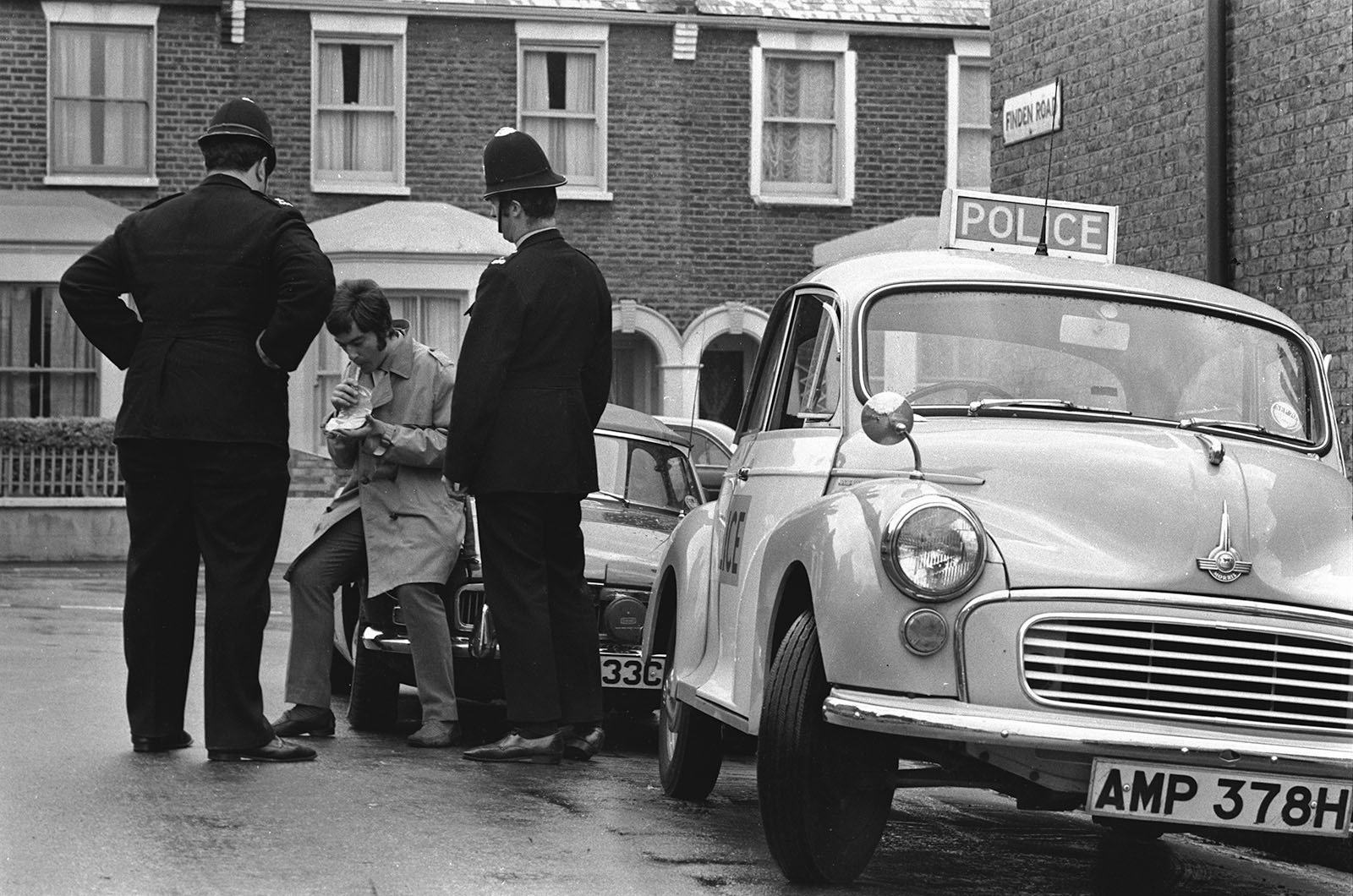
For decades, absolute legal clarity remained elusive. Despite provisions for blood and urine tests in the 1964 Road Traffic Act, no numerical limit was set, leaving them unenforced. The breakthrough came with the arrival of the American-developed breathalyzer in 1964, described by Autocar as a “refined, scientific instrument” that finally provided a measurable standard for impairment.
The long history of drunk driving laws in the UK demonstrates a slow but steady progression from arbitrary enforcement to scientific precision. It highlights how societal norms and technological advancements have shaped legal definitions of responsible behavior.
The UK’s journey towards regulating impaired driving spans over a century, evolving from horses to high-tech breathalyzers. The current proposal to lower blood alcohol limits is not an isolated event but the latest chapter in a persistent effort to ensure public safety on the roads.