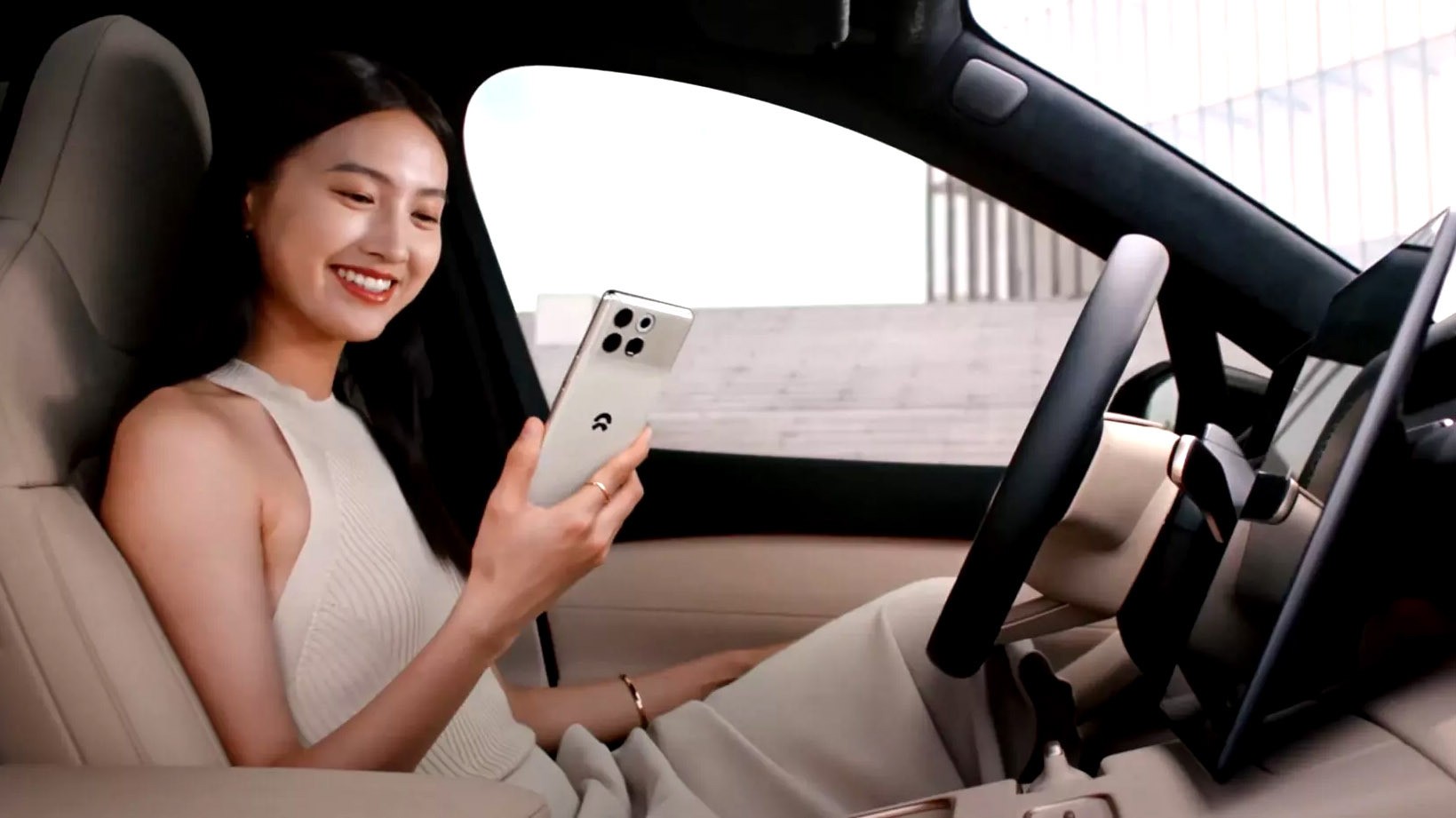
The nature of distracted driving is undergoing a fundamental shift. While previous decades focused on the dangers of phone calls and text messaging, a new and more visually consuming threat has emerged: short-form video and live-streaming. For many drivers, particularly younger demographics, the smartphone is no longer just a communication tool—it has become a source of continuous, high-intensity visual entertainment that demands attention away from the road.
The Shift from Text to Video
The evolution of distraction follows a clear trajectory of increasing engagement. As experts note, the danger has progressed from “quick glances” at text messages to sustained visual consumption.
- Texting: Brief interruptions to read or type.
- Browsing: Scrolling through social media feeds (Instagram, Snapchat).
- Watching: Engaging with video content (TikTok, YouTube).
- Live-streaming: Real-time broadcasting that requires active interaction.
Charlie Klauer, an associate professor at Virginia Tech, observes that this progression is becoming increasingly visible. This shift matters because watching a video requires significantly more cognitive and visual attention than reading a text, making the driver “blind” to their surroundings for much longer intervals.
A Growing Crisis for Young Drivers
Data from the National Highway Traffic Safety Administration (NHTSA) highlights a sobering reality. In 2023, distracted driving was linked to 3,275 deaths and over 300,000 injuries in the United States.
The statistics show a troubling trend among the youth:
– Drivers aged 15 to 20 represent the largest share of fatal crashes related to distraction.
– High rates of distraction-related accidents persist well into a driver’s early twenties.
– Educators like Joel Feldman report that students now openly admit to watching TikTok videos while driving—a phenomenon that was virtually unheard of just five years ago.
The High Cost of “Content Creation”
The drive for social media engagement is even leading to accidents caused by drivers attempting to create content rather than just consume it. Recent incidents illustrate the severity of this trend:
- Livestreaming while speeding: Streamers have been documented broadcasting high-speed driving sessions in urban areas.
- Fatalities: In California, a driver allegedly killed a pedestrian while live-streaming on TikTok.
- Near-misses: Drivers have struck parked police vehicles while distracted by YouTube videos.
This behavior highlights a dangerous new motivation: the pursuit of views and engagement, which can override basic safety instincts.
The Technology Gap: Law vs. Reality
Current legislation is struggling to keep pace with rapid technological changes. While 49 states ban texting while driving and 33 states prohibit handheld device use, several loopholes remain:
- In-Car Infotainment: Drivers are increasingly using built-in vehicle screens to watch videos, sometimes bypassing safety locks using aftermarket hardware.
- The “Touchscreen” Effect: Research suggests that interacting with complex touchscreen interfaces can impair reaction times more severely than alcohol or cannabis use.
- Legal Ambiguity: Most current laws do not explicitly address the act of streaming or watching video, leaving a gap in enforcement for non-texting distractions.
“The progression has gone from texting to browsing and looking and watching… It’s Instagram, Snapchat, TikTok, and a wide range of things.” — Charlie Klauer, Virginia Tech
Conclusion
As driving technology becomes more immersive, the line between entertainment and distraction is blurring. To combat this, lawmakers and safety experts suggest that future regulations must move beyond “hands-free” rules to address the much more dangerous reality of visual and cognitive distraction caused by video media.