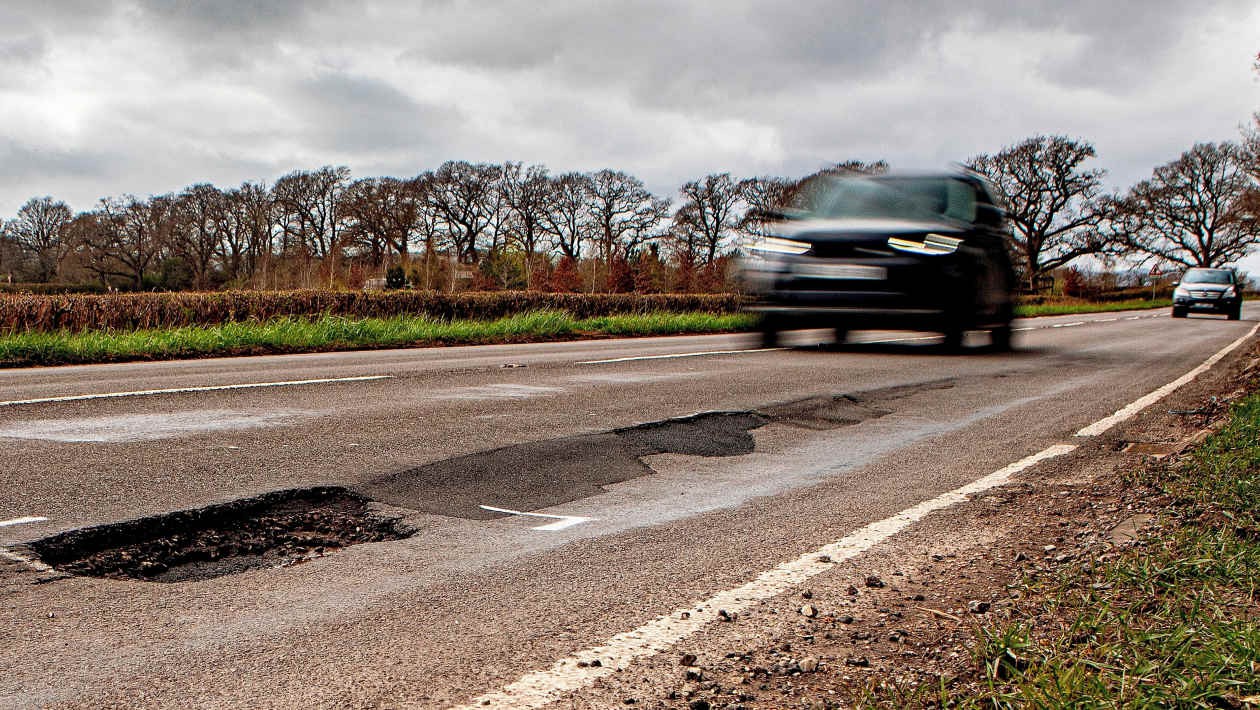
The UK government is introducing strict new conditions for local councils to ensure that road maintenance budgets are actually used to repair streets rather than being diverted to other municipal costs. Under these new rules, local authorities risk losing up to one-third of their allocated road funding if they fail to meet specific transparency and maintenance benchmarks.
The Funding at Stake
By 2026, local authorities are expected to receive a share of approximately £1.6 billion dedicated to road maintenance. However, a significant portion of this—roughly £530 million —is categorized as an “incentive element.” This money is not guaranteed; it is contingent upon councils meeting four distinct criteria:
- Transparency (50% of the incentive): Councils must publish annual reports detailing exactly how much money is being spent and how effectively those funds are being utilized. This allows residents to track the progress of repairs in their own neighborhoods.
- Ringfencing (25% of the incentive): Authorities must prove that all designated road maintenance funds are strictly protected and cannot be used for any other purpose.
- Proactive Planning (12.5% of the incentive): Councils must present long-term strategies for maintenance rather than just reacting to potholes as they appear.
- Skill Development (12.5% of the incentive): Local authorities must demonstrate they are improving their expertise, such as through staff training or participating in technical trials.
Why This Matters: From Reactive to Proactive
For years, the UK’s road network has faced criticism for a “patchwork” approach to repairs, where potholes are filled only after they become hazards. This reactive cycle is often more expensive and less durable than preventative maintenance.
By tying funding to long-term proactive plans and transparency, the government is attempting to shift the culture of local road management. The goal is to move away from emergency “quick fixes” toward a system where roads are maintained before they degrade, ultimately saving taxpayer money and reducing vehicle damage.
Industry and Political Reactions
The move has received cautious support from various stakeholders, though many highlight that funding alone may not solve the underlying issues.
“Ensuring money that is given to councils to improve their roads is actually spent on roads is critical,” noted Simon Williams, Head of Policy at the RAC.
Simon Lightwood MP, Minister for Roads and Buses, emphasized the accountability aspect of the policy: “We’ve made it crystal clear that councils that fail to maintain their roads will now risk losing up to a third of their funding.”
However, industry experts warn that money is only one piece of the puzzle. David Giles, Chairperson of the Asphalt Industry Alliance, cautioned that while the funding is welcome, it is not a “silver bullet.” He noted that engineers still face massive challenges in delivering the large-scale resurfacing programs required to prevent potholes from forming in the first place.
Looking Ahead
The government’s long-term vision involves a multi-year funding roadmap. The aim is to scale annual road maintenance budgets up to £2 billion per year by the 2029/30 financial year, providing a more stable financial foundation for local authorities to manage their jurisdictions.
Conclusion
By linking nearly a third of road budgets to strict performance and transparency metrics, the government is forcing local councils to prioritize street repairs. While this may improve accountability, the ultimate success of the plan depends on whether the increased funding can keep pace with the sheer scale of the UK’s crumbling infrastructure.