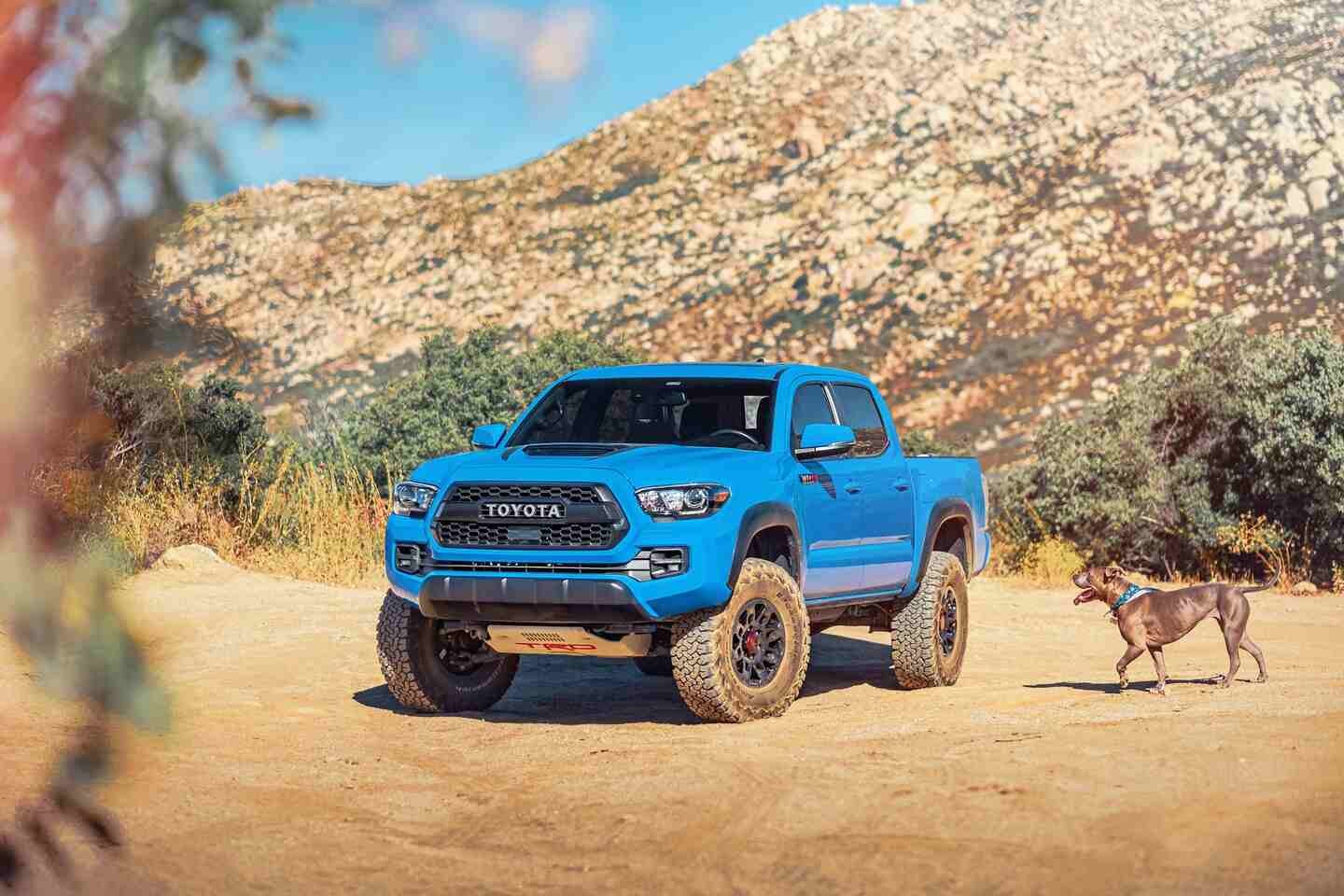
Upgrading a Toyota Tacoma with a truck top is a transformative investment. Whether your goal is to protect expensive gear, expand storage capacity, or build out an overlanding setup, the right cover fundamentally changes how you utilize your truck.
However, the market is flooded with diverse options—from rigid camper shells to versatile soft tops. Without a strategic approach, many owners end up making decisions that lead to wasted money, installation headaches, or functional limitations. To ensure your investment adds value rather than frustration, avoid these five common pitfalls.
1. Prioritizing Aesthetics Over Utility
The most frequent error is choosing a top based solely on how it looks. While a sleek, rugged profile can enhance your truck’s appearance, a “cool” look is useless if the top doesn’t serve your actual lifestyle.
The choice between a hard shell and a soft top often comes down to this trade-off:
* Hard Shells: Generally offer a more polished, permanent look and higher security, but they can be bulky and limit access to large or oddly shaped items.
* Soft Tops: Prioritize versatility. They allow for quick access, easy removal, and the ability to fold sections back to accommodate oversized gear.
The Rule of Thumb: If your truck is a tool for camping, hauling large equipment, or frequent overlanding, functionality must outweigh fashion.
2. Neglecting Precise Fitment
In the world of truck accessories, “close enough” is never good enough. Even slight variations in model years or bed dimensions can render a top useless or, worse, damaging to your vehicle.
A poorly fitted top is more than just an eyesore; it creates tangible problems:
– Water Leaks: Rain can seep into the bed, damaging gear.
– Wind Noise: Improper seals lead to annoying whistling at highway speeds.
– Structural Wear: Incorrect mounting can put undue stress on the truck rails or the top itself.
Before purchasing, verify your exact bed length (short bed vs. long bed) and ensure the model is compatible with your specific Tacoma generation and any existing accessories like bed rails or racks.
3. Underestimating Installation and Removal Complexity
Many owners treat a truck top as a “set it and forget it” accessory, only to realize later that they need to access the open bed frequently. If your chosen top requires heavy tools, permanent hardware, or several hours of labor to remove, you will likely stop using it altogether.
To maintain your truck’s versatility, look for features that support ease of use:
– Quick-release systems for rapid removal.
– Minimal-tool installation processes.
– Lightweight materials that don’t require a second person to lift.
4. Overlooking Security Requirements
Security should be a primary consideration, not an afterthought. The level of protection you need depends entirely on your environment and what you carry.
Consider your typical parking scenarios:
– High-Security Needs: If you store expensive power tools or sensitive equipment and frequently park in public or high-traffic areas, a hard shell with robust locking mechanisms is essential.
– Convenience-First Needs: If you primarily use your truck for recreational gear that is less prone to theft, or if you prioritize quick access, a soft top may be the more practical choice.
Key Insight: Always match your security level to your storage contents. A soft top offers great access, but it may require additional locking solutions if you are carrying high-value items.
5. Failing to Plan for Long-Term Versatility
A truck is prized for its ability to adapt to different tasks. A mistake many buyers make is choosing a top that “locks in” one specific way of using the truck, effectively turning a multi-purpose pickup into a specialized vehicle.
If you want to switch between hauling tall items (like furniture or bikes) and protected storage (like camping gear), ensure your top allows for that transition. A top that restricts your ability to use the open bed defeats the very purpose of owning a truck.
Summary
Choosing a Tacoma top is about balancing style, security, and usability. By focusing on precise fitment and prioritizing how you actually use your bed, you can ensure your upgrade enhances your truck’s performance rather than limiting it.