


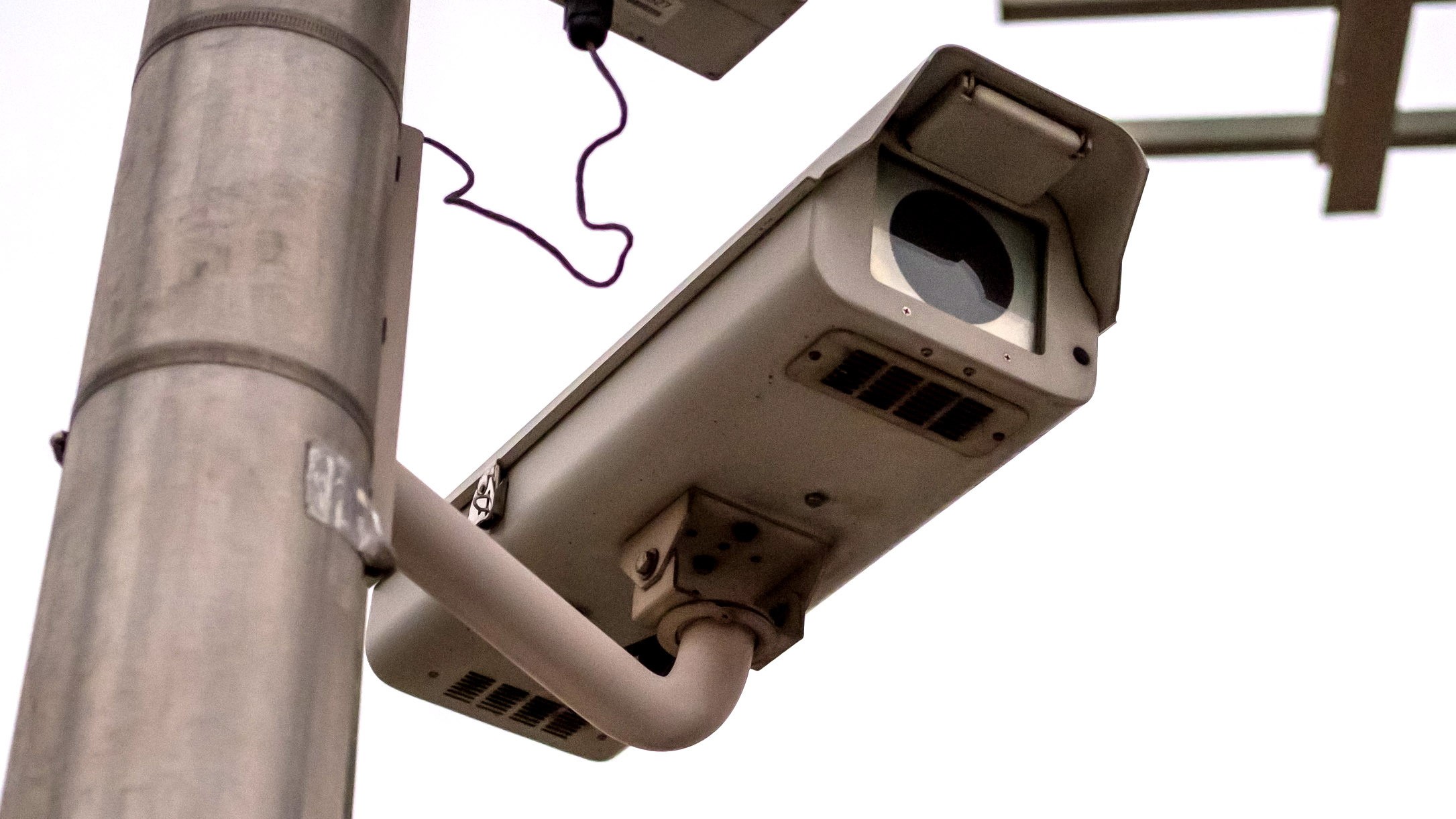
Massachusetts police are issuing roughly half the number of speeding tickets they did a decade ago, raising questions about road safety and enforcement strategies. While a decline in citations might seem positive, advocates argue it coincides with a rise in speeding-related fatalities and a growing need for automated enforcement through speed cameras.
The Drop in Citations: A Decade-Long Trend
In 2013, Massachusetts law enforcement issued 112,503 speeding tickets statewide. By 2021, that number plummeted to 51,101, stabilizing in recent years at around 65,000 annually. This means approximately one in 75 drivers receives a speeding ticket each year—a figure some safety groups claim is far too low given the ongoing risks of excessive speed.
Fatalities and the Role of Speeding
The decrease in tickets appears alongside an increase in fatal crashes involving speeding drivers, according to data from the Fatality Analysis Reporting System (FARS). While FARS data relies on police reports, which can include subjective assessments of “speed too fast for conditions” rather than verified speeds, advocates emphasize that even marginal speeding contributes to risk. Further supporting this point, tolling cameras on the Massachusetts Turnpike show that over half of drivers regularly exceed the 55-mph speed limit, with rates climbing even higher on weekends.
The issue isn’t merely about strict adherence to posted limits; it’s about the broader trend of diminished consequences for speeding behavior. Some drivers face no real enforcement, and that has implications for road safety.
The Push for Automated Enforcement
Organizations like MassBike and Massachusetts Families for Safe Streets are actively lobbying for legislation that would authorize the use of speed cameras, particularly on the Massachusetts Turnpike. Bills SB 2344 and HB 3754 propose fines ranging from $25 to $150 for violations. The Senate transportation committee has already endorsed its version of the bill, though the House has yet to take action.
The core argument is simple: fewer officers writing tickets, combined with rising fatality rates, suggests a need for more consistent and automated enforcement.
This debate reflects a larger national conversation about traffic safety and the role of technology in deterring dangerous driving behavior. While the nuances of interpreting FARS data and differentiating between minor and severe speeding violations remain important, the trend suggests that Massachusetts may be at a crossroads in how it approaches speed enforcement.


