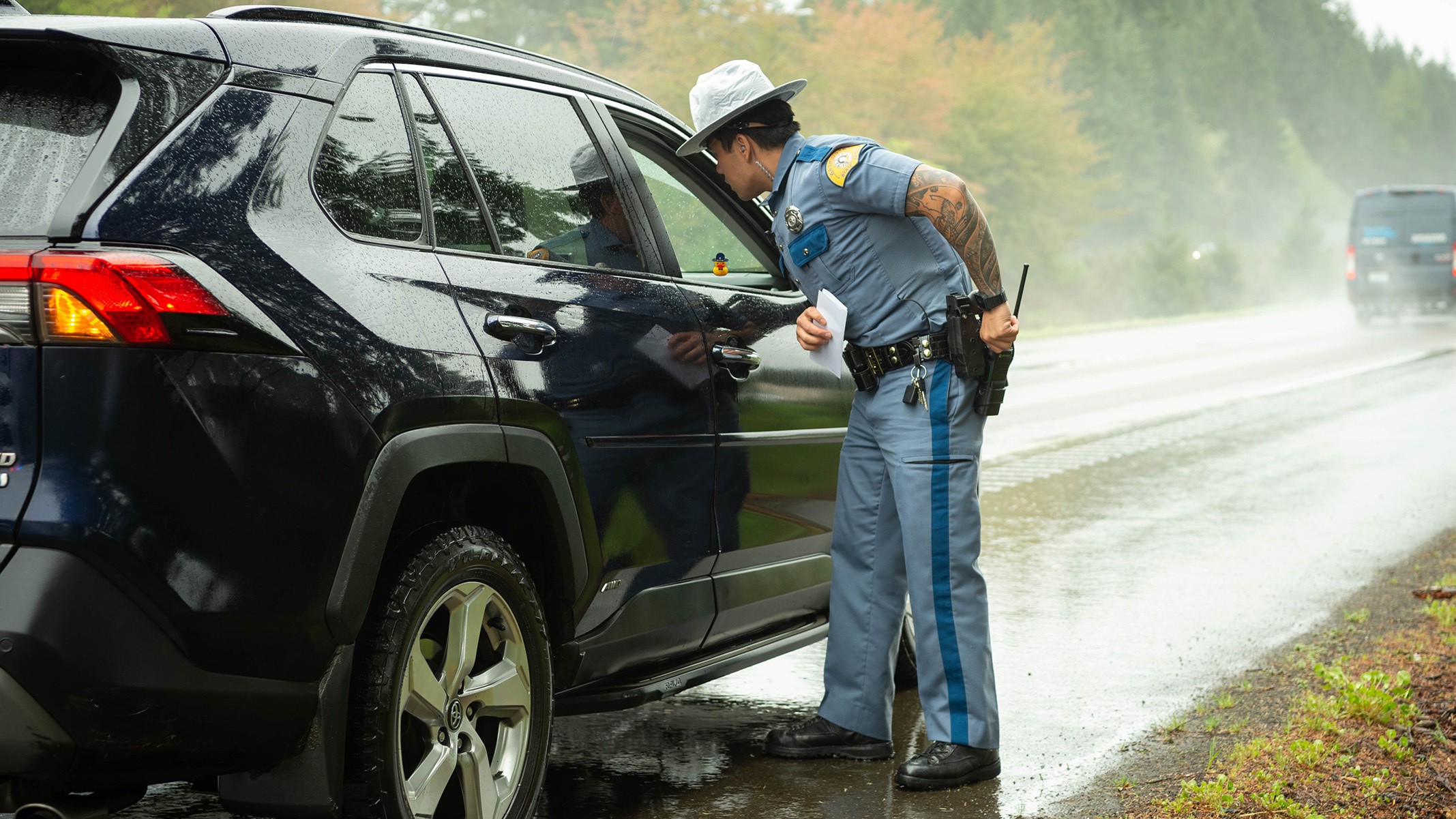
Drivers in Washington State now have a new option for interacting with law enforcement during traffic stops: a distinctive blue envelope. This initiative aims to reduce tension and miscommunication between officers and motorists who may communicate differently due to neurodevelopmental conditions like autism or ADHD.
How the Program Works
The “blue envelope” law establishes a voluntary program where drivers can keep their license, registration, and insurance in a bright blue envelope. This signals to police that the individual may require additional time to respond or process instructions. Importantly, no medical diagnosis is required to participate ; drivers can obtain the envelopes through the state’s licensing system.
Why This Matters: Reducing Misunderstandings
The need for this program stems from real-world issues. Individuals with neurodivergent conditions can experience heightened stress or difficulty processing information during high-pressure encounters, like traffic stops. Police have sometimes mistaken these reactions for signs of intoxication or defiance, leading to unnecessary escalation. The blue envelope is a visual cue for officers to exercise patience and adjust their communication style accordingly.
Existing Programs and Limited Data
Washington is not the first state to implement such a program. Connecticut launched a similar initiative in 2020, but data on its effectiveness remains unavailable. While the impact on safety or the traffic stop experience is unknown, the underlying logic is clear: a traffic stop is an unpredictable social interaction, while driving itself can be more structured and manageable for some.
Driving Qualifications Remain Unchanged
The program does not alter driving qualifications. Participants must still meet all standard testing and medical requirements. The goal is simply to make traffic stops less stressful for individuals who can drive safely but struggle with sudden, high-pressure interactions.
The blue envelope is a tool to facilitate communication, not to lower standards.
The program offers a practical solution for a common problem and represents a growing awareness of how different people experience the same situations. It provides a simple yet potentially impactful method for improving interactions between law enforcement and neurodivergent drivers, reducing friction and ensuring clearer communication on the road.