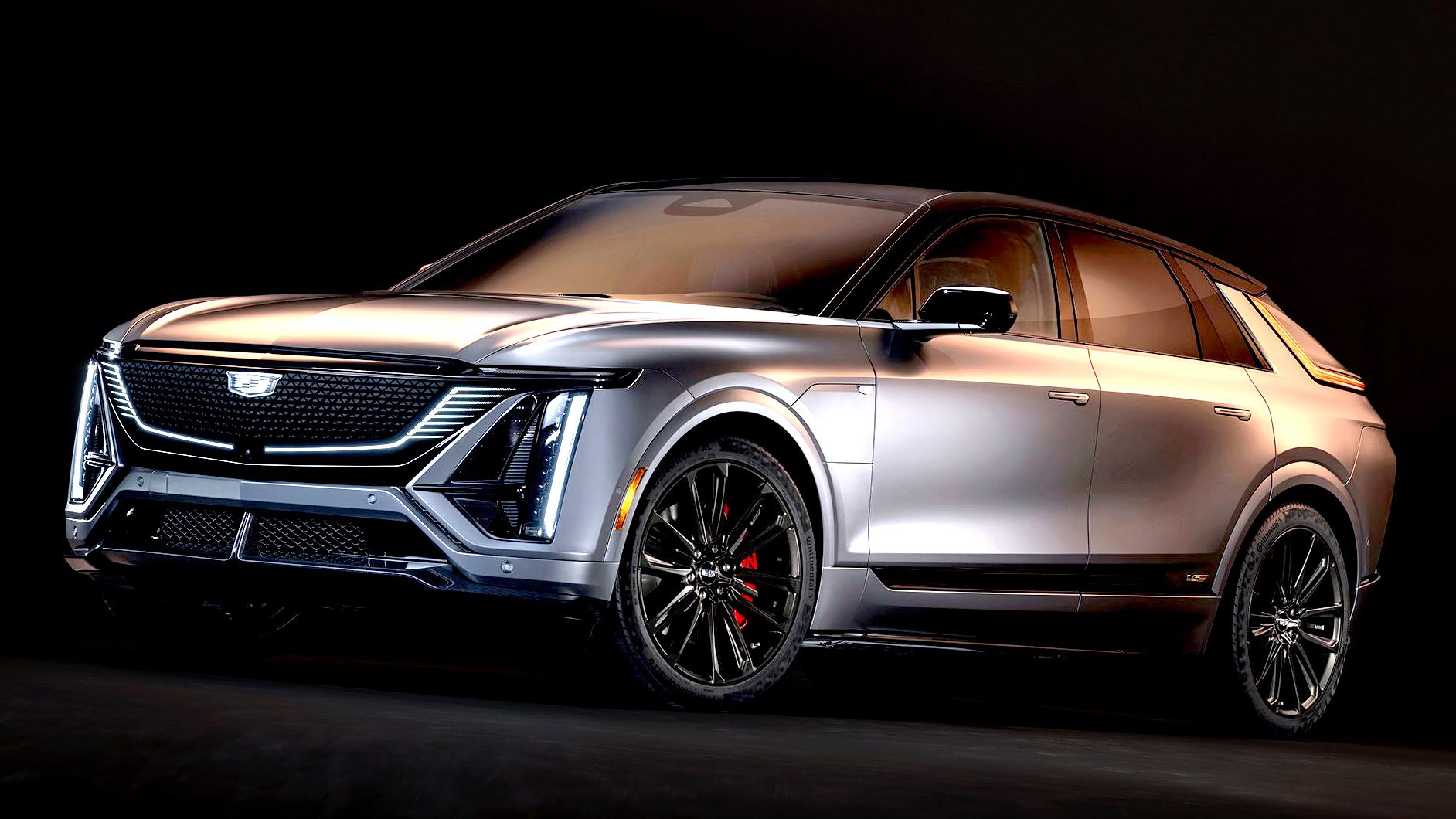
The financial barrier to entering the electric vehicle (EV) market is beginning to dissolve. Recent data indicates that the price gap between electric and internal combustion engine (ICE) vehicles has reached its narrowest margin ever, offering a glimmer of hope for budget-conscious drivers looking to transition away from gasoline.
The Downward Trend in EV Pricing
According to the latest figures from Cox Automotive’s Kelley Blue Book, new EV prices have dropped for the third consecutive month. Year-over-year, the average price for an electric vehicle fell by 2.8% to $54,508.
This decline is not merely a market fluctuation; it is a deliberate strategic move by manufacturers. To stimulate demand and clear inventory, automakers are utilizing aggressive incentives. Currently, EV discounts are averaging 14.6% of the transaction price, a significant figure that helps offset the higher initial sticker price compared to traditional vehicles.
The Widening Divide: EVs vs. Gas Vehicles
While EV prices are trending downward, the cost of traditional gasoline and hybrid vehicles is moving in the opposite direction. The average transaction price (ATP) for gas-powered models rose 3.5% year-over-year to $49,275.
This creates a narrowing “premium” for electric cars. While a difference of roughly $5,200 remains, high-mileage drivers may find that this gap is bridged relatively quickly through fuel savings alone.
| Vehicle Type | Avg. Transaction Price | Year-over-Year Trend |
|---|---|---|
| Electric Vehicles (EV) | $54,508 | ↓ 2.8% |
| Gas/Hybrid (ICE) | $49,275 | ↑ 3.5% |
Market Drivers: Size and Luxury
The broader automotive market is being heavily influenced by consumer preference for larger, more expensive vehicle segments. This trend is keeping the overall industry average MSRP high, currently sitting at $51,456.
- The “Big Vehicle” Dominance: The market is being driven by high-ticket items. Full-size pickups are averaging near $66,000, while full-size SUVs are approaching the $80,000 mark.
- The Decline of Compacts: Small, affordable cars are losing market share. Compact cars have seen a negligible price increase of only 1.1% and remain under $28,000, as buyers increasingly prioritize space and power over economy.
- Luxury Divergence: Luxury brands are seeing wildly different trajectories. Porsche saw prices jump 12.4% to $128,447, and Cadillac rose 11.6% to $84,139. Conversely, Tesla and Mercedes-Benz have both seen price reductions (2.6% and 3.4%, respectively) as they fight to maintain market share in a competitive landscape.
Why This Matters
The shift in EV pricing represents a critical inflection point in the automotive industry. For years, the primary argument against EVs was the “green premium”—the high cost of entry compared to gas cars. As manufacturers use deep discounts to move inventory, that premium is evaporating.
However, the simultaneous rise in gas-vehicle prices suggests that the total cost of ownership for traditional cars is increasing, potentially making the transition to electric even more economically logical for the average consumer in the near future.
Conclusion
As automakers use heavy discounting to move electric inventory, the price gap between EVs and gas vehicles is hitting record lows. This trend, combined with rising costs for traditional vehicles, is making the transition to electric power more financially accessible than ever before.