For years, the “naked” inline-four motorcycle occupied a niche, somewhat intimidating corner of the market. These machines were rarely entry-level; instead, they were often high-strung, stripped-down versions of flagship superbikes. While they offered the legendary high-revving scream and top-end rush that enthusiasts crave, they came with significant baggage: aggressive ergonomics, excessive heat, and a power delivery that could feel “snatchy” or overwhelming in anything other than ideal racing conditions.
This created a fundamental mismatch between capability and usability. A rider might have access to massive horsepower on paper, but in the reality of city traffic or winding backroads, that power was often more of a liability than an asset.
The Shift Toward Usable Power
As the motorcycle market matured, rider priorities shifted. The demand moved away from chasing peak horsepower numbers and toward usable, real-world performance. This evolution gave rise to the middleweight naked segment—bikes in the 700cc to 900cc range designed to bridge the gap between beginner machines and intimidating “liter-class” superbikes.
The goal of this new generation of motorcycles is different:
– Midrange Focus: Prioritizing torque where riders actually spend their time, rather than just peak power at the redline.
– Agility: Using lighter, more “flickable” chassis setups that feel intuitive in corners and manageable in traffic.
– Accessibility: Delivering a sense of speed and excitement without requiring expert-level commitment or constant mental exhaustion.
Japanese manufacturers led this charge by moving away from simply “detuning” superbike engines. Instead, they began engineering purpose-built middleweight platforms from the ground up, focusing on smoother fueling, better heat management, and more forgiving ergonomics.
The Kawasaki Z900: High Performance at a Practical Price
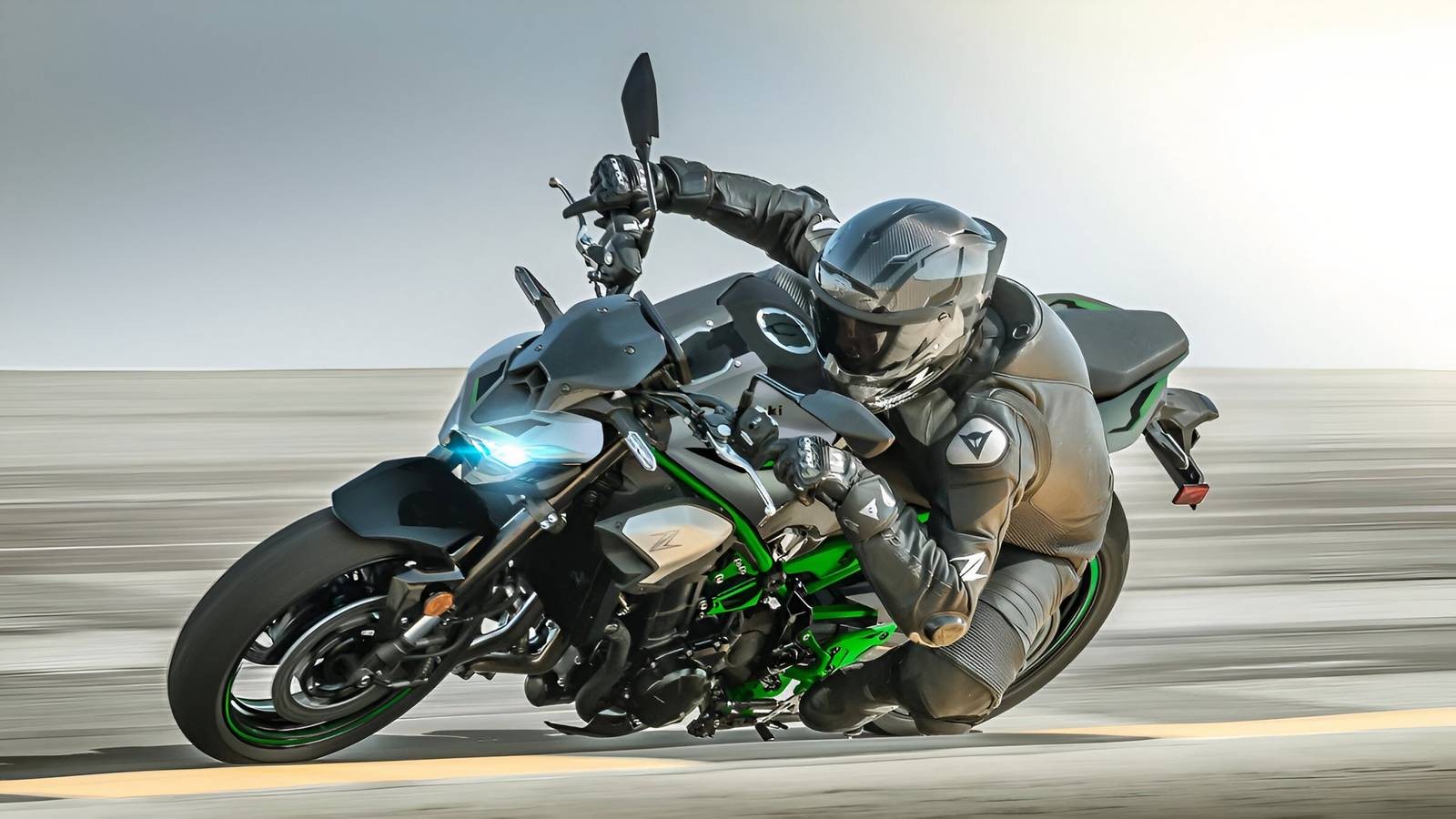
Positioned at the heart of this movement is the Kawasaki Z900. It is a machine that defies the traditional logic of the segment by offering near-liter-class performance at a significantly lower price point.
A Purpose-Built Powerplant
The Z900 is powered by a 948cc inline-four engine producing approximately 125 horsepower and 74 lb-ft of torque. While these numbers put it in the same league as much larger bikes, the engine is tuned for a linear, predictable power delivery. It provides enough urgency to satisfy performance seekers, yet remains smooth enough to prevent the “unpredictable” feeling that plagues many high-strung engines.
Balanced Engineering and Handling
The Z900 avoids the “too much bike” problem through thoughtful physical dimensions and chassis design:
– Ergonomics: An upright, neutral riding position and a manageable seat height (approx. 32.3 inches) make it accessible to a wider variety of riders.
– Weight and Agility: With a wet weight of roughly 467 pounds, the bike feels planted on the road without feeling cumbersome.
– Chassis: A high-tensile steel trellis frame is paired with 41mm inverted front forks and a horizontal back-link rear suspension, striking a balance between stability and quick handling.
– Braking: Dual 300mm front discs with four-piston calipers provide strong, reliable stopping power without being overly aggressive.
Intuitive Technology
Rather than overwhelming the rider with complex menus, Kawasaki has opted for a “rider-focused” electronics suite. The Z900 features:
– Traction Control and Riding Modes: These systems work in the background to enhance safety and adjust the bike’s character without being intrusive.
– Modern Displays: Depending on the variant, a full-color TFT display provides essential data and smartphone connectivity at a glance, keeping the focus on the road.
The Value Proposition
Perhaps the most disruptive element of the Z900 is its cost. With an MSRP starting around $9,999, it consistently undercuts both premium middleweights and full-scale liter bikes. By offering a high-performance inline-four experience without the financial or physical “sting” of a flagship superbike, Kawasaki has tapped into a highly profitable sweet spot.
The Kawasaki Z900 succeeds by proving that “big performance” doesn’t have to mean “difficult to live with.” It delivers the soul of a high-end inline-four in a package that is actually designed for the reality of the road.
Conclusion: The Kawasaki Z900 represents the successful evolution of the naked bike: a machine that prioritizes usable torque, manageable handling, and aggressive pricing, making high-end engine character accessible to the everyday rider.