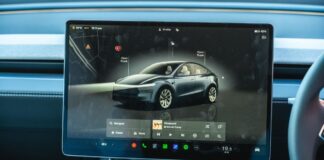
Polestar, the Swedish electric vehicle (EV) manufacturer owned by Geely, is aggressively pursuing growth with plans to launch four new models over the next three years. This expansion is a critical step in reversing recent financial losses and boosting sales, as the company aims to capture a larger share of the competitive EV market.
Strategic Growth Under New Leadership
Appointed CEO Michael Lohscheller has set a clear target: increase sales from approximately 60,000 vehicles in 2023 to around 100,000 units annually. The strategy centers on expanding beyond Polestar’s current three-model lineup to reach a wider consumer base. Lohscheller believes that with a more diverse portfolio, Polestar can increase its market share from 25% to 55-65% within key segments.
Upcoming Models: A Timeline
The first launch will be the Polestar 5, an electric grand tourer scheduled for release this summer. This vehicle is positioned as the brand’s flagship model, embodying Polestar’s design and technological identity.
Following the Polestar 5, the company will introduce an estate version of its current best-seller, the Polestar 4. This new variant will blend the space of a traditional estate car with the elevated ride height of an SUV, offering increased practicality for customers who value both versatility and cargo capacity. The decision to include a conventional rear window, unlike the coupé version’s camera-based system, addresses customer feedback and prioritizes functional usability.
The existing Polestar 4 will be rebadged as the “Polestar 4 Coupé” to differentiate it from the new estate model. Both versions will be manufactured in Busan, South Korea, enabling direct importation to the US market without incurring tariffs associated with Chinese-built vehicles.
The Next-Generation Polestar 2
In addition to the Polestar 4 estate and the Polestar 5, Polestar plans to launch a next-generation version of its Polestar 2 in 2027. The firm is also developing a fourth undisclosed model, which is expected to arrive by 2028.
Why This Matters
Polestar’s aggressive expansion is a direct response to the challenges faced by many EV startups—namely, scaling production, achieving profitability, and maintaining competitiveness in a rapidly evolving market. The firm’s reliance on Chinese manufacturing for cost efficiency and the decision to build US-bound vehicles in South Korea highlight the complexities of global supply chains and trade dynamics in the automotive industry.
The introduction of a practical estate variant of the Polestar 4 signals a shift towards addressing broader consumer needs, rather than solely focusing on niche, design-driven features. This strategic move may prove pivotal in attracting a larger customer base and driving sustainable growth.