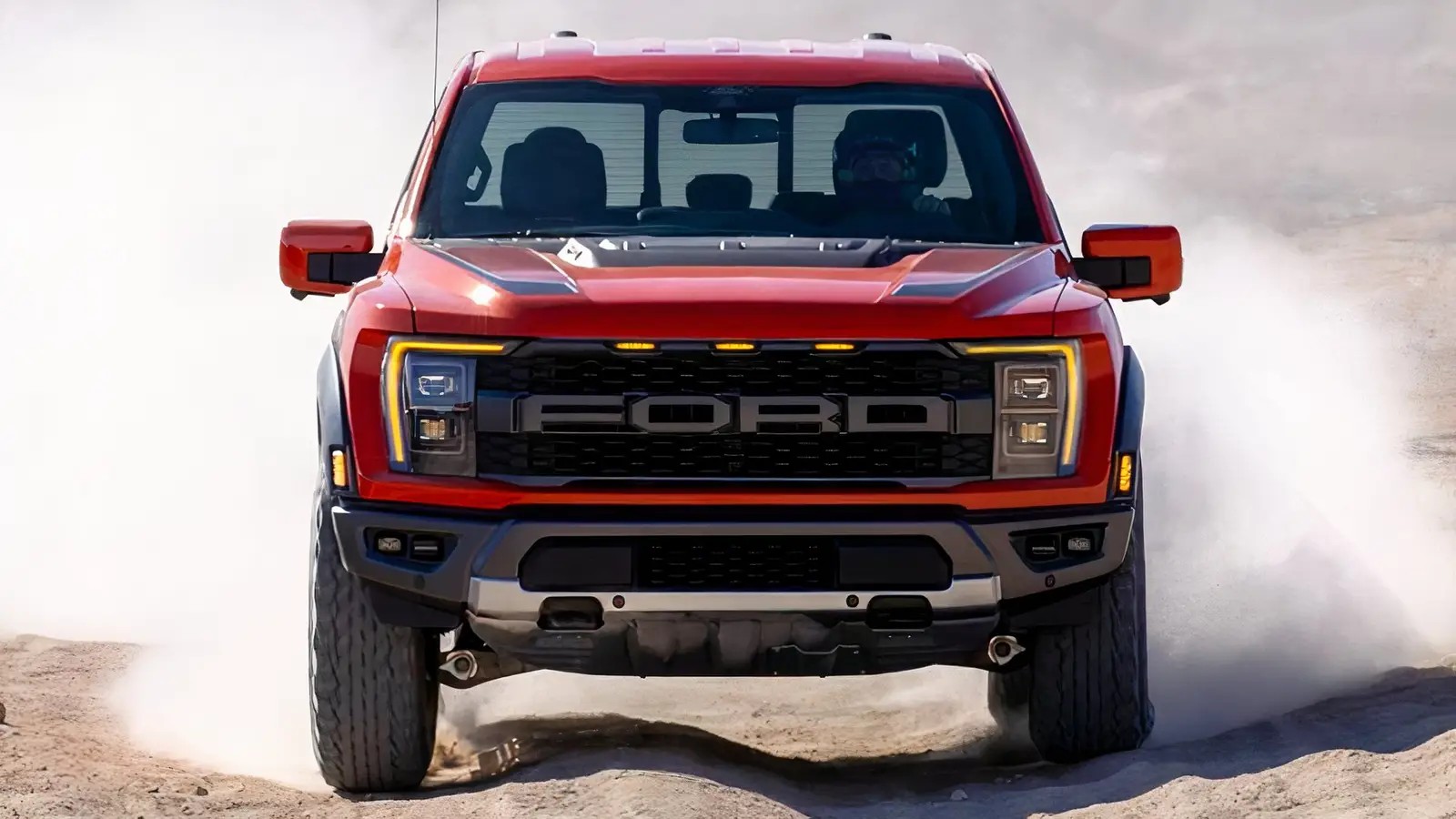
American pickup trucks are growing in size with each new generation, and it’s not a coincidence. While consumers may simply accept this trend, the reality is rooted in a decades-old regulatory loophole that incentivizes automakers to build larger, heavier vehicles. This isn’t about consumer demand or engineering ambition; it’s a direct result of how the automotive industry is regulated – and how those regulations have been manipulated to maximize profits.
The Origins of the Loophole: CAFE Standards and the “Light Truck” Exemption
The story begins with the Energy Policy and Conservation Act of 1975 (EPCA), which aimed to improve fuel efficiency in passenger vehicles after the 1973 oil crisis. Congress established Corporate Average Fuel Economy (CAFE) standards, but crucially, carved out a separate, weaker standard for “light trucks.” Originally intended for commercial vehicles like vans and farm trucks, this category soon became a loophole for automakers.
The initial logic was simple: commercial vehicles used primarily on private property didn’t need the same strict regulations as commuter cars. This created a clear advantage for manufacturers. By the mid-1980s, light-truck CAFE standards sat around 20 mpg, while passenger cars were held to 27.5 mpg – a gap that translated to billions in potential revenue.
The Consumerization of Trucks and the Rise of Profits
As the 1980s progressed, American consumers began treating trucks less like work vehicles and more like lifestyle choices. Automakers responded by making trucks more comfortable and feature-rich, effectively turning them into family cars with cargo beds. This consumerization of trucks coincided with their increasing profitability, as they were cheaper to produce and faced less stringent emissions standards.
By 1995, the Ford F-Series became the best-selling vehicle in America, a title it still holds as of 2026, demonstrating the enduring financial success of the truck market. Automakers had discovered how to exploit the regulatory system to their advantage.
Footprint-Based Regulations: An Unintended Incentive
In the 2000s, the government attempted to address the growing issue by tightening CAFE standards for light trucks. However, in 2010, a new framework was adopted that based fuel economy targets on each vehicle’s “footprint” (wheelbase multiplied by track width). While seemingly reasonable on paper, this system had a critical flaw: larger vehicles faced lower targets.
Studies have shown that this footprint-based approach effectively rewards automakers for making trucks bigger. The larger the vehicle, the less stringent the regulations. Automakers weren’t breaking any rules – they were simply manipulating the system within legal bounds.
The Result: Bigger Trucks, Bigger Profits
The current regulations incentivize larger trucks because it is the path of least resistance. For example, a truck with a footprint of 67 square feet (a full-size crew-cab long-bed) requires a target closer to 26 mpg, while a compact SUV with a footprint of 41 square feet faces a target of almost 40 mpg. Automakers realized they could increase size rather than improve efficiency, making it more profitable to build bigger trucks.
The EPA acknowledges this trend in its annual Automotive Trends Report, but has not taken meaningful action to change the system. The cycle continues: automakers exploit the loophole, profits grow, and the regulatory framework remains unchanged.
The Electric Truck Paradox
Even the transition to electric trucks is reinforcing this trend. Models like the Ford F-150 Lightning and Chevrolet Silverado EV weigh substantially more than their combustion counterparts, increasing their footprints and lowering their fuel-economy targets. This means even “green” vehicles are benefiting from the same loophole that has driven truck size for decades.
The Bottom Line: A System That Rewards Expansion
The growth in truck size isn’t about consumer preference or engineering innovation; it’s a direct consequence of a flawed regulatory system. The intention of CAFE standards has been undermined since the outset, and as long as lobbyists continue to protect the status quo, profits will keep growing. A flat-rate mpg standard would be a more effective solution, but systemic change requires political will – something that remains elusive in Washington.
Until the incentives shift, American trucks will continue to get bigger, not because consumers demand it, but because the system is designed to reward it.