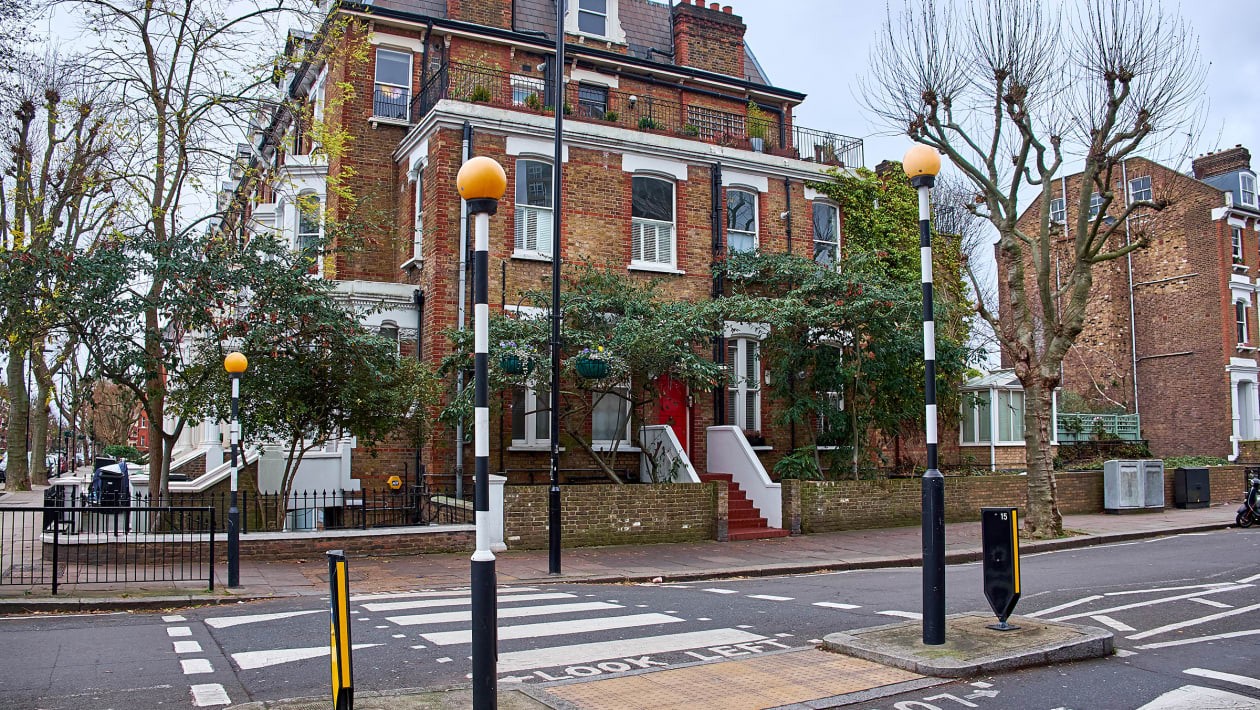
Pedestrian crossings are a vital part of road safety in the UK, yet many people don’t fully understand the differences between them. With an average of seven pedestrian fatalities and 104 serious injuries weekly on UK roads, knowing how to use these crossings correctly is crucial for both pedestrians and drivers. This guide explains the various types of pedestrian crossings found in the UK, along with the rules for safe usage, whether you’re walking, driving, cycling, or even riding a horse.
Types of Pedestrian Crossings
The UK utilizes several types of crossings, each designed with specific features and regulations.
- Zebra crossings are marked with black and white stripes and rely on drivers to yield to pedestrians. They don’t have traffic lights or other signals.
- Pelican crossings (Pedestrian Light Controlled) use red and green man signals to control pedestrian traffic. Drivers must stop when the red man is lit.
- Puffin crossings (Pedestrian User-Friendly Intelligent) are a more modern version of Pelican crossings. They use infrared sensors to detect pedestrians, making them more efficient and responsive.
- Toucan crossings (Two-Way Crossing) are designed for cyclists and pedestrians, allowing both to cross safely.
Each type requires different levels of awareness from both pedestrians and drivers.
Safe Crossing Practices
Regardless of the type of crossing, certain safety measures should always be taken:
- Eliminate distractions : Remove headphones and avoid using mobile phones while crossing.
- Assume visibility is not guaranteed : Never assume drivers see you, even if you have the right-of-way.
- Double-check traffic lights : When using signalized crossings, ensure all traffic has stopped before stepping onto the road.
- Be visible : Wear bright clothing in low light conditions.
- Awareness of turning drivers : Drivers must give way to pedestrians, but don’t rely on this; always be cautious.
For unmarked crossing points, choose locations with clear visibility for both pedestrians and drivers.
Why This Matters
The UK’s road safety statistics highlight the need for vigilance. The high number of pedestrian injuries and deaths underscores the importance of understanding and using crossings correctly. Modern crossings like Puffin prioritize efficiency, but all types rely on drivers and pedestrians following the rules.
Pedestrian crossings are more than just lines on the road: they represent a shared responsibility between those on foot and behind the wheel.
By staying alert, eliminating distractions, and understanding crossing types, both pedestrians and drivers can contribute to safer roads for everyone.