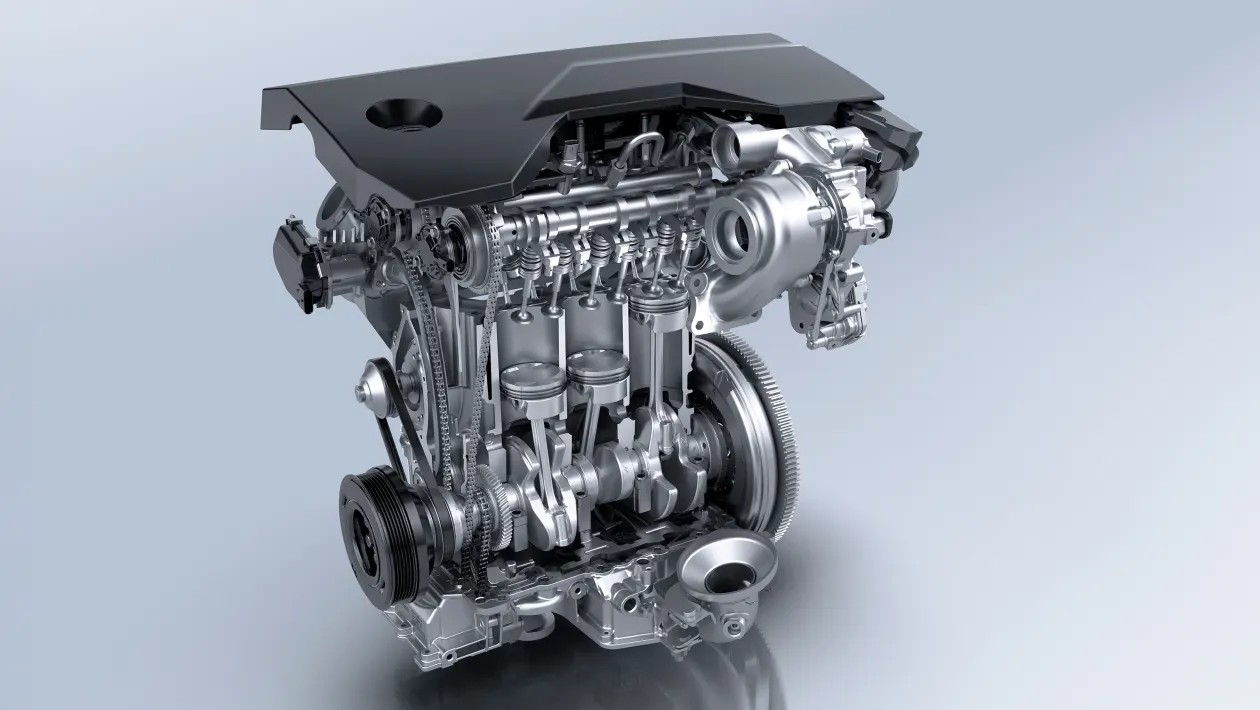
Peugeot is launching a next-generation 1.2-liter three-cylinder petrol engine for its 208 and 2008 models, and across the broader Stellantis portfolio. This move signals that internal combustion engines (ICE) still have a future, even as the industry shifts towards electrification.
Engine Overhaul: Efficiency and Reliability
The new engine is a comprehensive upgrade over the outgoing ‘PureTech’ unit. While retaining the 1.2-liter displacement and three-cylinder layout, it features significant improvements in fuel consumption, CO2 emissions, and durability.
Key changes include:
- Variable-Geometry Turbocharger: Provides improved responsiveness at low engine speeds without sacrificing peak power.
- High-Pressure Fuel Injection: Implements a more efficient ‘Miller’ combustion cycle, increasing thermal efficiency.
- Timing Chain Replacement: The problematic ‘wet-belt’ timing system has been replaced with a more reliable timing chain. This extends maintenance intervals to every two years or 15,500 miles, a substantial improvement over the previous 12-month service requirements.
Performance and Specifications
The initial engine configuration delivers 99bhp at 5,500rpm and 205Nm of torque from as low as 1,750rpm, indicating strong low-end performance despite its compact size. The engine is designed to meet upcoming Euro 7 emissions standards.
Hybrid Compatibility
Though initially available in a purely combustion format, Peugeot confirms that this engine will also serve as the foundation for future hybrid models, including mild, plug-in, and full hybrid variants. This ensures the platform’s longevity as automotive technology evolves.
The development of this new engine underscores that ICE technology is not obsolete. Instead, it’s being refined to meet tightening regulations and consumer demands for efficiency. The move also raises questions about the pace of the transition to full electrification and the role of hybrid systems in bridging the gap.