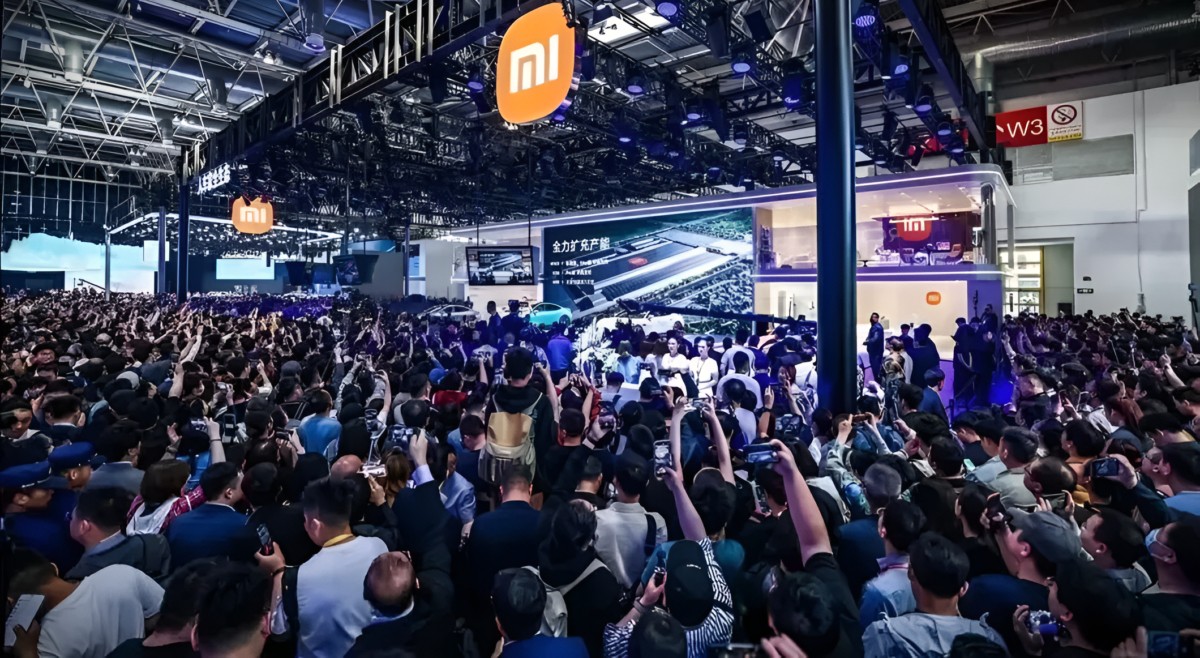
The scale of the global automotive industry is reaching a new milestone. The official floor plan for the 2026 Beijing International Auto Show has been released, confirming its status as the largest automotive exhibition on the planet. Spanning a massive 380,000 square meters, the event is set to run from April 24 to May 3, 2026.
A Massive Dual-Venue Expansion
In a strategic move to accommodate growing industry interest, the 2026 edition will utilize a dual-venue format for the first time. The exhibition will bridge the China International Exhibition Centre (Shunyi Hall) and the Capital International Exhibition Centre, creating a continuous automotive corridor stretching approximately 1.3 kilometers.
The event is organized into three distinct phases to cater to different audiences:
* April 24–25: Media Days
* April 26–27: Professional Visitor Days
* April 28 – May 3: Public Exhibition Days
What to Expect: 1,451 Vehicles and 181 World Premieres
The sheer volume of hardware on display is staggering. The show will feature 1,451 vehicles, including 71 concept cars and a remarkable 181 world premieres. This indicates that Beijing is no longer just a regional hub, but the primary stage for global manufacturers to debut their most critical technologies.
The exhibitor lineup represents a clash of automotive eras:
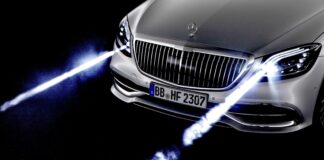
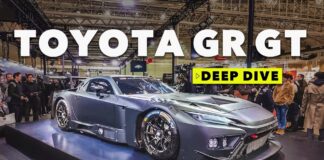
* Legacy Giants: Established international brands like BMW, Mercedes-Benz, Audi, Volkswagen, Toyota, and Ford will maintain their presence.
* Chinese Powerhouses: Domestic leaders such as FAW Hongqi, Dongfeng, Changan, Geely, and Great Wall Motor will showcase their latest models.
* The Tech Disruptors: A significant portion of the show will be dominated by “smart” mobility players, including Huawei-backed Harmony Intelligent Mobility, Nio, Xpeng, Li Auto, Xiaomi, and Leapmotor.
Spotlight on BYD and Sub-Brands
BYD is expected to be a central figure, utilizing its various sub-brands to showcase a broad spectrum of technology. Anticipated displays include:
* Yangwang: Potentially showcasing the U8L four-seat variant.
* Denza: Expected to present the Z9S and possible high-performance sports models.
* Fangchengbao: Likely to exhibit the Ti 7 EV and new coupe-style models.
* Ocean & Dynasty Series: A wide range of electric and hybrid models from BYD’s core lineup.
The Shift from Hardware to Intelligence
While the number of cars is impressive, the true story of the 2026 show lies in the supply chain. Participants from 21 countries will focus heavily on the “brains” of the modern vehicle: electrification, intelligent driving systems, and digital architectures.
The shift in venue layout—moving away from older exhibition areas toward larger, standalone booths for technology groups—signals that the industry is moving away from traditional mechanical manufacturing toward a software-defined future.
Market Context: A Changing Guard in China
The scale of this show is a direct reflection of China’s dominance in the global market. In 2025, China produced and sold over 34 million vehicles, maintaining its position as the world’s largest auto market for 17 consecutive years.
However, the underlying data reveals a profound structural shift in the market:
1. The Rise of NEVs: New Energy Vehicles (NEVs) now account for more than 50% of domestic new-car sales.
2. Growth vs. Decline: While legacy joint ventures (like FAW-Volkswagen and GAC-Toyota) are seeing declining year-on-year performance, new electrified brands are surging. For example, Aito saw an 86% increase, and Geely Galaxy grew by nearly 18%.
3. The Pressure on Premium Brands: Even established premium players like BMW-Brilliance and Tesla China have seen recent declines in sales volume, highlighting the intense competition from local, tech-heavy Chinese brands.
The 2026 Beijing Auto Show is more than just a car exhibition; it is a barometer for the global transition from internal combustion engines to intelligent, electric, and software-driven mobility.
Conclusion
The 2026 Beijing Auto Show serves as a massive intersection where traditional automotive giants meet new-age tech disruptors. As the world’s largest show, it will define the pace of the global transition toward electrification and autonomous driving.