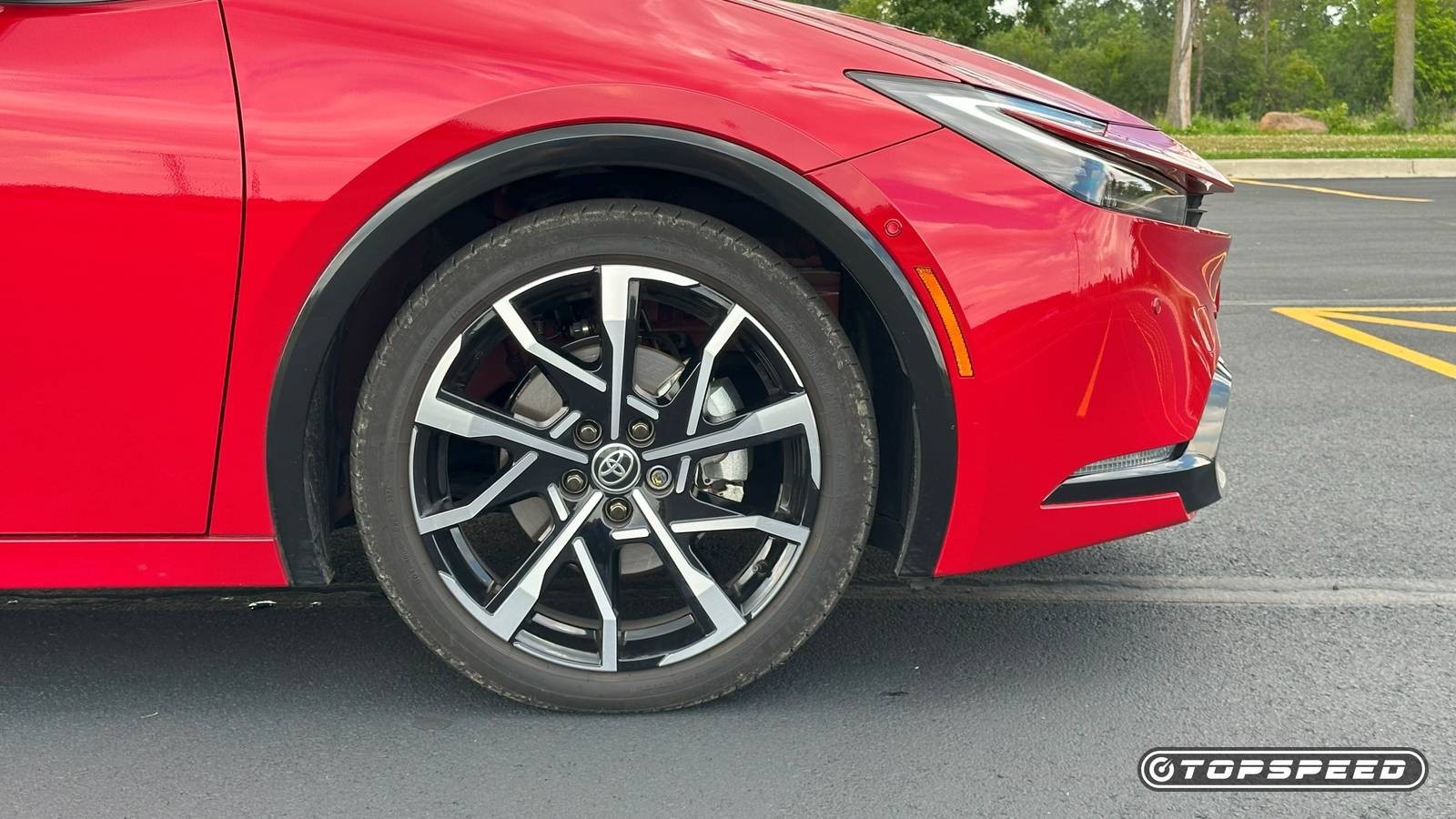
Despite being the gold standard for hybrid technology, the Toyota Prius is facing an unexpected downturn. While the broader hybrid market is exploding in popularity, recent data shows a significant cooling in demand for this specific model—a trend that raises questions about market saturation and the limits of the subcompact segment.
A Market Boom vs. A Model Slump
The timing of the Prius’s decline is particularly striking. As of 2026, the U.S. hybrid market has reached a historic peak, valued at approximately $778 billion. American consumers are increasingly pivoting toward hybrids as a “middle ground” solution—offering the fuel efficiency and lower emissions of an electric vehicle (EV) without the “range anxiety” or charging infrastructure hurdles that plague full EVs.
However, while giants like Ford, Hyundai, and Kia are seeing success by integrating hybrid powertrains into larger, more versatile models, the Prius is struggling to maintain its momentum:
– March 2026 Sales: Only 2,941 units sold, marking a 57.9% year-on-year decline.
– Year-to-Date: Total sales of 9,737 units represent a 41.5% drop compared to the previous year.
Why is the “Poster Child” Losing Steam?
The decline isn’t necessarily a reflection of poor quality, but rather a combination of market niche and product lifecycle.
- Limited Utility: The Prius remains a compact hatchback. While highly efficient, its small proportions and limited cargo space make it less appealing to the modern consumer who often prioritizes the versatility of crossovers like the RAV4 or the Camry.
- Lack of Fresh Updates: Toyota has not introduced significant updates to the model since its recent launch. This means many current owners have little incentive to trade in their existing vehicles for a newer version of the same experience.
Performance and Efficiency: The Numbers That Matter
Despite the sales dip, the 2026 Prius remains one of the most technologically accomplished vehicles on the road. It strikes a balance between efficiency and “punchy” performance that many economy cars lack.
Efficiency Breakdown
The Prius remains a leader in fuel economy, particularly in its base configuration:
* Front-Wheel Drive (LE Trim): Achieves an impressive 57 MPG (combined) and a range of 644 miles on a single tank.
* All-Wheel Drive (AWD): Slightly reduces efficiency to 54 MPG (combined) due to the additional motor and smaller fuel tank, but offers better traction.
* Higher Trims (XLE/Limited): Larger wheels result in a drop to roughly 52 MPG, though still well above the industry average.
Power and Driving Dynamics
Unlike older hybrids that felt sluggish, the current Prius uses a 2.0-liter four-cylinder engine paired with an electric motor to produce a combined 194 hp (or 196 hp with AWD). This allows the car to accelerate from 0 to 60 mph in just 7.0 to 7.2 seconds, making it surprisingly capable for a commuter vehicle.
Value and Reliability: A Long-Term Bet
For buyers looking at the total cost of ownership, the Prius offers a compelling, if predictable, financial profile.
Reliability Outlook: With an iSeeCars score of 8.8/10 and a high probability of reaching 200,000 miles, the Prius is built for longevity.
Financial Highlights:
* Starting Price: The LE trim begins at a competitive $28,550.
* Warranty Protection: Toyota provides a robust safety net with an 8-year/100,000-mile warranty on hybrid components and a 10-year/150,000-mile warranty on the battery.
* Maintenance Advantage: Over five years, owners can expect to save significantly on fuel compared to the average new vehicle, often totaling upwards of $3,750 in savings.
Conclusion
The Prius’s recent sales decline highlights a shifting consumer preference toward larger, more versatile hybrid crossovers. While the model remains a masterclass in efficiency and reliability, its niche status as a subcompact hatchback makes it vulnerable in a market that is increasingly moving toward bigger, more multipurpose electrified vehicles.