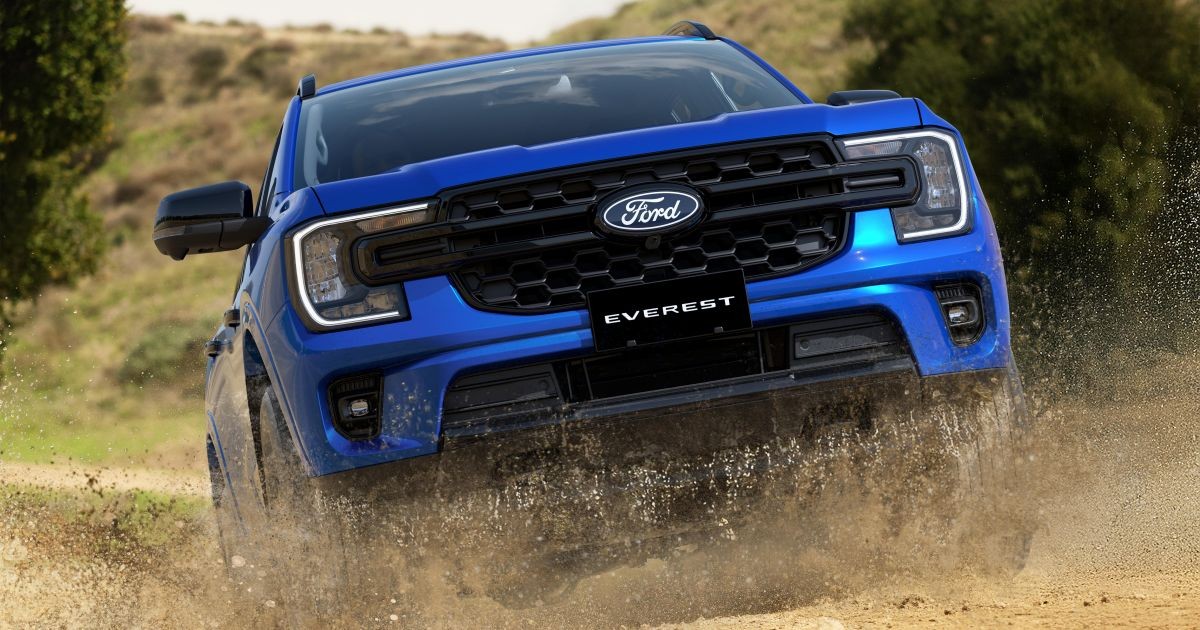
Ford is revising its popular Everest SUV for the 2026 model year (MY26.5), with a key change being the shift to a less powerful engine in the base models. The move aims to simplify the lineup and adjust pricing, but means a reduction in performance for some buyers.
Engine Changes and Pricing
The base Everest will now be powered by a single-turbo 2.0-liter four-cylinder diesel engine, replacing the previous bi-turbo version. While a more powerful 3.0-liter turbo-diesel V6 remains available across all grades, including the new entry-level Active variant, the four-cylinder produces 125kW and 405Nm of torque – down 29kW and 95Nm from the outgoing engine.
Despite the power drop, Ford is reducing the starting price to $58,990 before on-road costs, a $500 decrease from the previous base model. This suggests a strategic adjustment to make the Everest more accessible while acknowledging the engine downgrade.
Model Range Updates
The Ambiente and Trend trims have been replaced by the Active variant, which now comes standard with leather upholstery and a 12-inch touchscreen – features previously reserved for higher trims. All Everests remain four-wheel drive, and towing capacity stays at 3500kg regardless of engine choice.
Exterior color options have also been updated, with Alabaster White and Acacia Green added while Equinox Bronze has been discontinued. Ford is also moving towards a more unified look, phasing out contrasting grey and chrome accents in favor of black detailing.
Key Details: Options, Safety, and Delivery
- Optional seven-seat configuration: Available for the Active trim at an additional $1350.
- Tremor trim: Now includes power-adjustable driver and passenger seats with heating/ventilation as standard.
- Safety: Maintains a five-star ANCAP safety rating. Tyre pressure monitoring is now standard across the range, with surround-view cameras included in Sport trims and above.
- Warranty: Covered by Ford’s five-year, unlimited-kilometer warranty.
Orders open in December, with customer deliveries expected to begin in mid-2026. Fuel consumption figures have not yet been released.
The shift to a less powerful base engine highlights a trend in the automotive industry towards prioritizing affordability and streamlining model ranges, even at the expense of raw performance. This change is likely driven by consumer demand for lower entry prices and fuel efficiency, though it could also reflect broader cost-cutting measures by Ford.