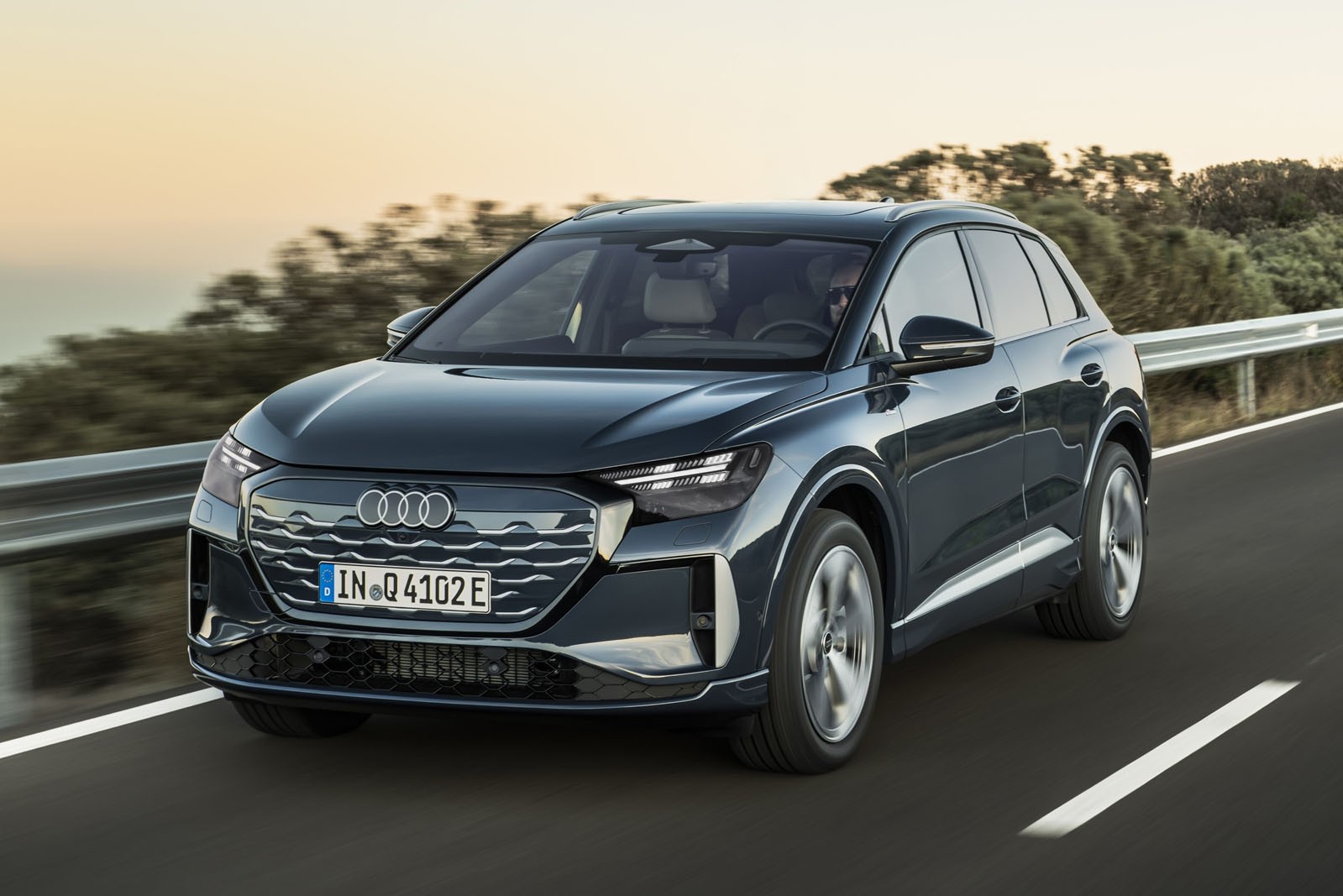
Audi is rolling out updates to the Q4 e-tron, focusing on both mechanical efficiency and subtle but significant refinements to the driver interface. While the headline news centers on a more efficient electric motor, a closer look at the recent updates reveals a shift in how Audi manages cabin ergonomics and digital integration.
Mechanical and Digital Enhancements
The most critical technical update is the introduction of a more efficient electric motor, a move designed to optimize range and energy consumption—two vital metrics for any premium EV.
Beyond the powertrain, the digital experience is receiving a boost:
– Enhanced Driver Display: The MMI (Multi Media Interface) now features full-map navigation directly in the driver’s instrument cluster, reducing the need for the driver to glance toward the central console.
– Interior Trim Refinements: The previous “piano black” center trim has been replaced with a new finish, moving away from a high-gloss look that is often prone to fingerprints and dust.
The Steering Wheel Debate: Form vs. Function
One of the most visible changes is the transition from a squared-off steering wheel to a traditional round design. While some enthusiasts prefer the angular look, the change offers practical benefits:
– Improved Visibility: A round top can improve the line of sight to the Head-Up Display (HUD).
– Ease of Entry: Conversely, the previous squared-off design offered more knee clearance when entering or exiting the vehicle.
The debate also extends to the haptic controls on the steering wheel. While critics argue for physical buttons, the haptic system is designed to mimic the tactile feel of rotary dials. When used with light, precise movements rather than broad swipes, the interface functions similarly to traditional knurled volume wheels, offering a modern, streamlined alternative to mechanical hardware.
Addressing Ergonomic “Pain Points”
The Q4 e-tron updates also suggest that Audi is listening to user feedback regarding cabin distractions and usability:
1. Climate Control Logic
Critics of the current MMI system often point to the lack of physical buttons for seat heating and climate control. However, because the system is fully automated, most drivers find that once the initial settings are established, manual adjustment is rarely required. The digital interface remains responsive, suggesting that the “lack of buttons” is more a matter of design philosophy than a functional failure.
2. Eliminating Visual Glare
In a subtle but clever design correction, Audi has updated the side dashboard vents. Previously, silver or chrome trim around these vents caused problematic reflections in the rearview mirrors, obscuring the driver’s field of vision. The new Q4 e-tron utilizes dark trim surrounds, effectively eliminating this glare and improving safety through better visibility.
Conclusion
The latest updates to the Audi Q4 e-tron represent a transition from experimental digital interfaces toward more refined, practical ergonomics. By prioritizing motor efficiency and resolving minor visibility issues, Audi is focusing on the subtle details that define long-term usability.