Euro NCAP, the influential vehicle safety rating organization, is fundamentally reshaping its testing protocols for 2026. The updates aren’t about incremental improvements; they represent a shift toward evaluating vehicles in conditions that mirror actual driving, rather than idealized scenarios. This means fewer points for overzealous driver aids and more credit for features that genuinely save lives in chaotic, unpredictable situations.
Safety Reimagined: Four Pillars of Vehicle Evaluation
The new framework breaks down vehicle safety into four distinct categories: Safe Driving, Crash Avoidance, Crash Protection, and Post-Crash Safety. Each stage receives its own rating, with overall star ratings now dependent on strong performance across the board.
This holistic approach acknowledges that safety isn’t just about how well a car protects occupants in a collision, but about preventing crashes in the first place, and ensuring rapid, effective rescue when accidents do happen.
Addressing Real-World Failures: EVs and Annoying Alerts
One of the most critical changes targets electric vehicles (EVs) with automated door handles. First responders have long reported that some EVs lock down after a crash, trapping occupants and slowing rescue efforts. Euro NCAP will now mandate that these handles remain operable even in impact scenarios. The issue isn’t theoretical; locked doors have demonstrably hindered rescues and, in some cases, cost lives.
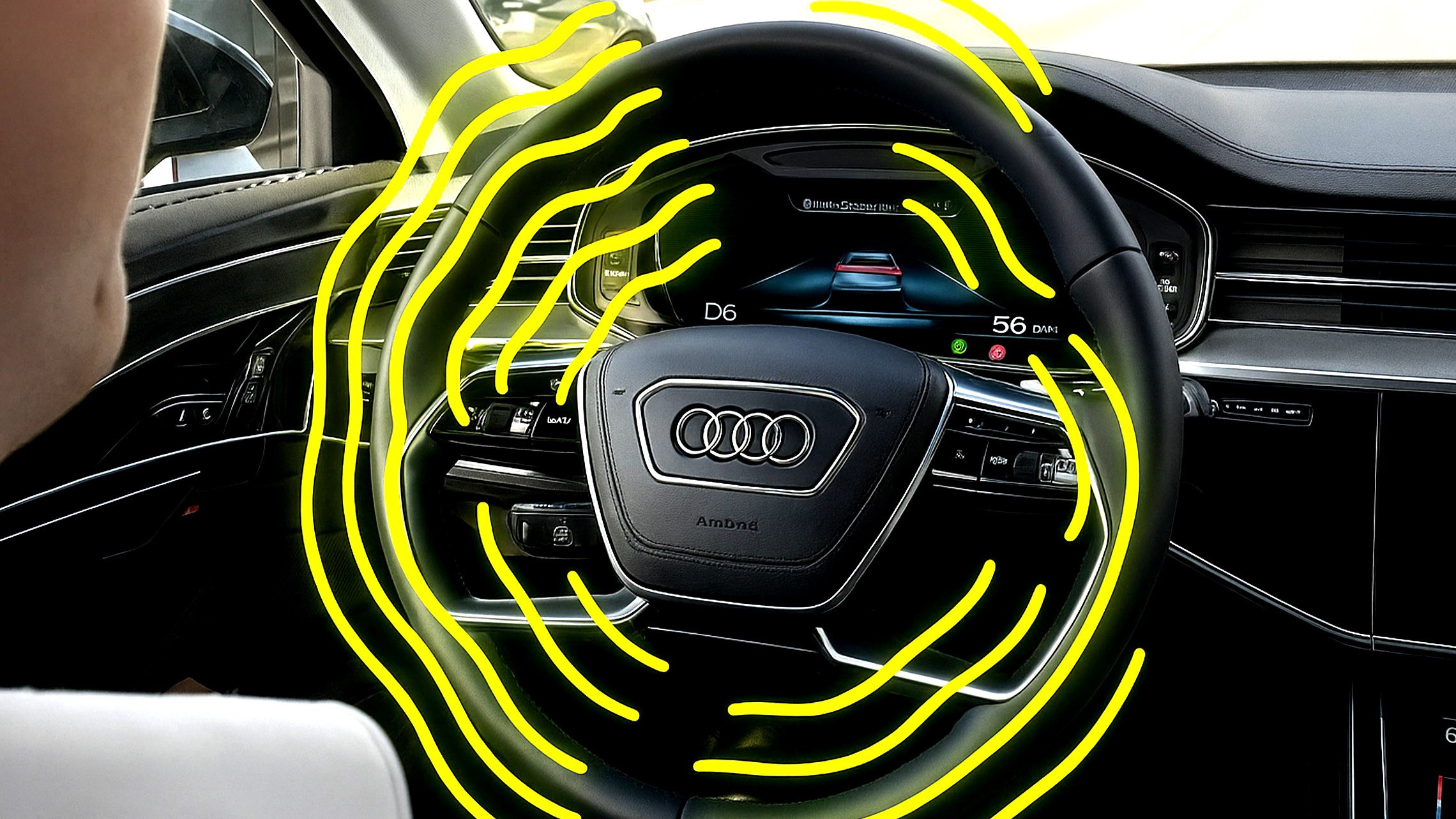
The overhaul also takes aim at the incessant beeping and jarring interventions from Advanced Driver-Assistance Systems (ADAS). Systems that jerk the steering wheel or bombard drivers with alerts will lose points. The logic is simple: safety tech that’s too aggressive drives people to disable it, negating its benefits.
Rewarding Usability: Buttons and Driver Monitoring
Cars will earn extra points for driver-monitoring systems that accurately detect impairment, such as signs of alcohol or drug use, and for vehicles that retain physical buttons for essential controls. The latter addresses widespread driver frustration with touchscreen-only interfaces.
The shift highlights a growing recognition that usability is part of safety: if controls are too cumbersome or distracting, drivers will avoid them, undermining their effectiveness.
More Realistic Crash Testing: Pedestrians, Cyclists, and Diverse Occupants
Crash avoidance tests will now incorporate more real-world scenarios, including interactions with motorcycles, bicycles, and urban hazards. Smoothness will matter as much as avoidance; systems that lurch erratically will be penalized.
Crash protection testing will also evolve to use dummies of varying body shapes, sizes, and ages, better reflecting the diversity of vehicle occupants. This aligns with recent changes in US crash testing standards.
Post-Crash Modernization: EVs, SOS, and Battery Safety
Post-crash safety protocols will focus on modern challenges. EVs must now demonstrate effective battery isolation after an impact and warn drivers about fire risks. Automated SOS functions will be required to relay the number of occupants to first responders, even if seatbelts weren’t fastened.
These changes acknowledge that vehicle technology is evolving rapidly, and safety standards must keep pace.
The 2026 overhaul marks the biggest update to Euro NCAP testing since 2009. The organization plans to revise protocols every three years moving forward, reflecting the accelerating pace of innovation in vehicle safety technology. This continuous refinement is critical as cars become more automated and complex, ensuring that safety ratings remain relevant and effective.