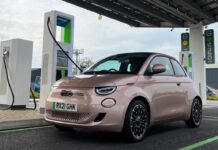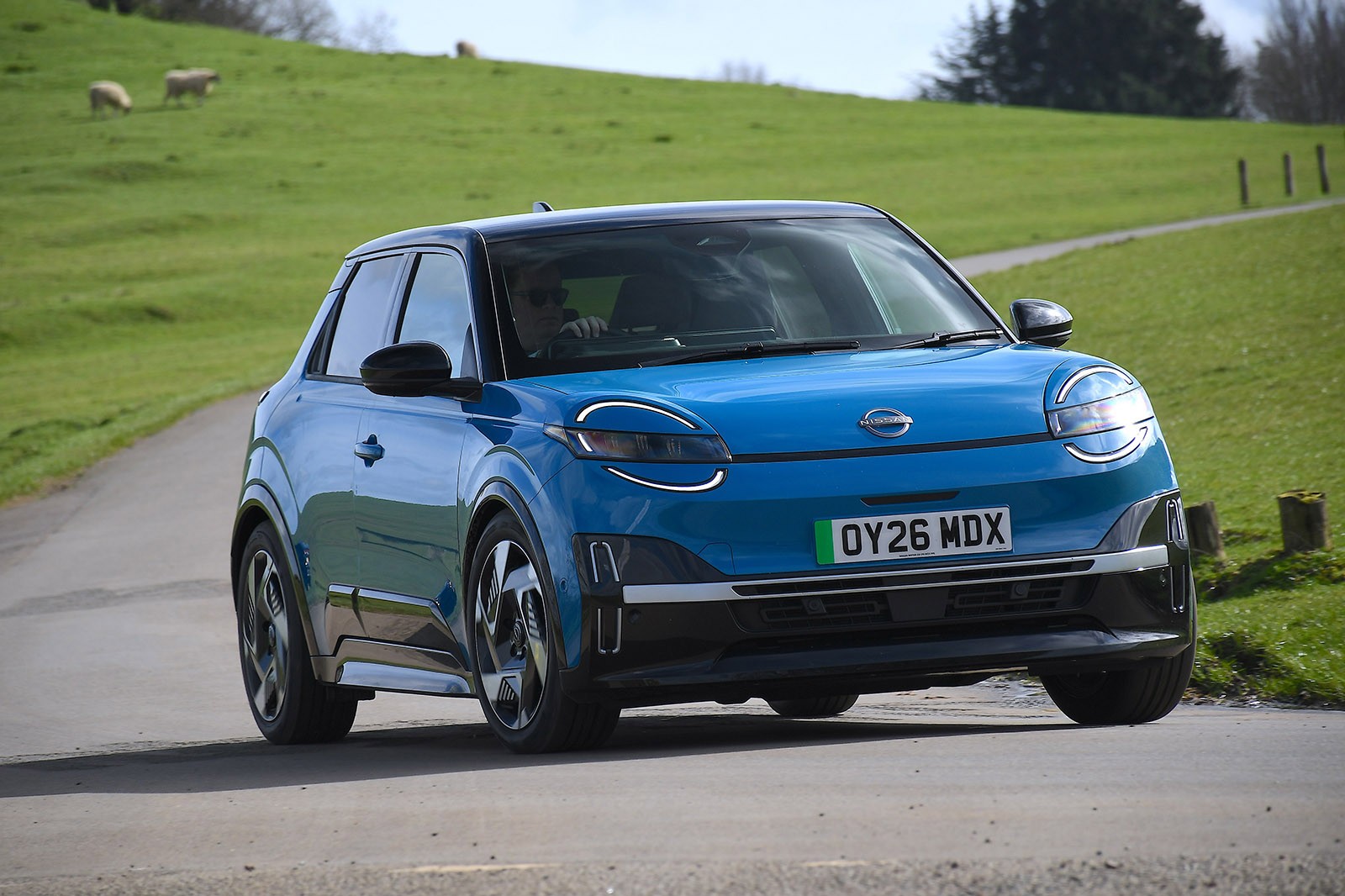
The electric supermini segment is becoming increasingly crowded, with manufacturers fighting to balance urban agility with modern driving dynamics. While the Nissan Micra shares a platform and DNA with the Renault 5, it is not merely a rebadged clone. Our testing reveals a vehicle that trades some of its sibling’s playful “biddability” for a sense of toughness and maturity.
Performance and Acceleration
On paper, the Micra is slightly slower than the Renault 5, clocking 0–60 mph in 8.1 seconds compared to the Renault’s 7.7. This discrepancy is likely due to a combination of a slightly heavier curb weight (by about 20kg), different motor calibration, and the specific characteristics of its Hankook iOn Evo EV-specific tyres.
However, in real-world driving, these numbers tell only half the story:
– Smooth Power Delivery: The Micra delivers torque progressively. Even under full power, the front wheels maintain traction without aggressive intervention from electronic stability systems.
– Urban Agility: An 8.1-second sprint is highly competitive for this class. While it won’t outrun a Mini Cooper E, it offers plenty of “zest” for city commuting and national speed limit driving.
– The “Hot Hatch” Feel: Reaching 50 mph in just over six seconds evokes the nostalgic performance levels of classic small hot hatches from two decades ago.
Braking and Grip Dynamics
One area where the Micra shows a distinct departure from its Renault counterpart is in its stopping performance and road grip.
The choice of Hankook tyres appears to impact braking distances significantly. In dry conditions, the Micra requires nearly a meter more to stop from 70 mph than the Renault 5. In the wet, this gap widens dramatically, requiring 7.5 meters more to come to a halt. While these figures are still safe compared to some competitors (such as the BYD Dolphin), they suggest the Micra lacks the tenacious “bite” found in the Renault.
Furthermore, the brake pedal itself feels somewhat soft. While it is progressive and smooth for daily commuting, it lacks the firm, communicative feedback required for spirited, high-performance driving. Drivers can mitigate this using the paddle-based motor regeneration controls, which reduce the reliance on friction brakes.
Driving Character: Substance Over Playfulness
If the Renault 5 is a lighthearted entertainer, the Nissan Micra is its more serious, “burly” cousin. The driving experience feels more substantial and SUV-esque in several ways:
- Ride Quality: The suspension is firmer and more controlled. Rather than “bobbing along” freely, the Micra checks vertical movements with more sternness, providing a sense of stability.
- Steering: The steering offers more heft and a more substantial feel, though it remains predictable and intuitive.
- Handling: The Micra feels more planted, but it reaches its limit earlier in corners. This is likely due to stiffer anti-roll bars and the specific tyre setup, which causes the front axle to push wide slightly sooner than the Renault.
The Verdict
For the average driver, the Micra’s nuances may go unnoticed. It offers a sophisticated, mature driving experience that feels more “grown-up” than many of its rivals.
While the Renault 5 remains the more willing entertainer and the Mini Cooper E the more dedicated driver’s tool, the Nissan Micra carves out its own niche by offering a sturdy, composed, and highly capable electric daily driver.
In summary, the Nissan Micra trades a bit of pure agility for a more composed and robust driving feel, making it a mature contender in the competitive electric supermini market.