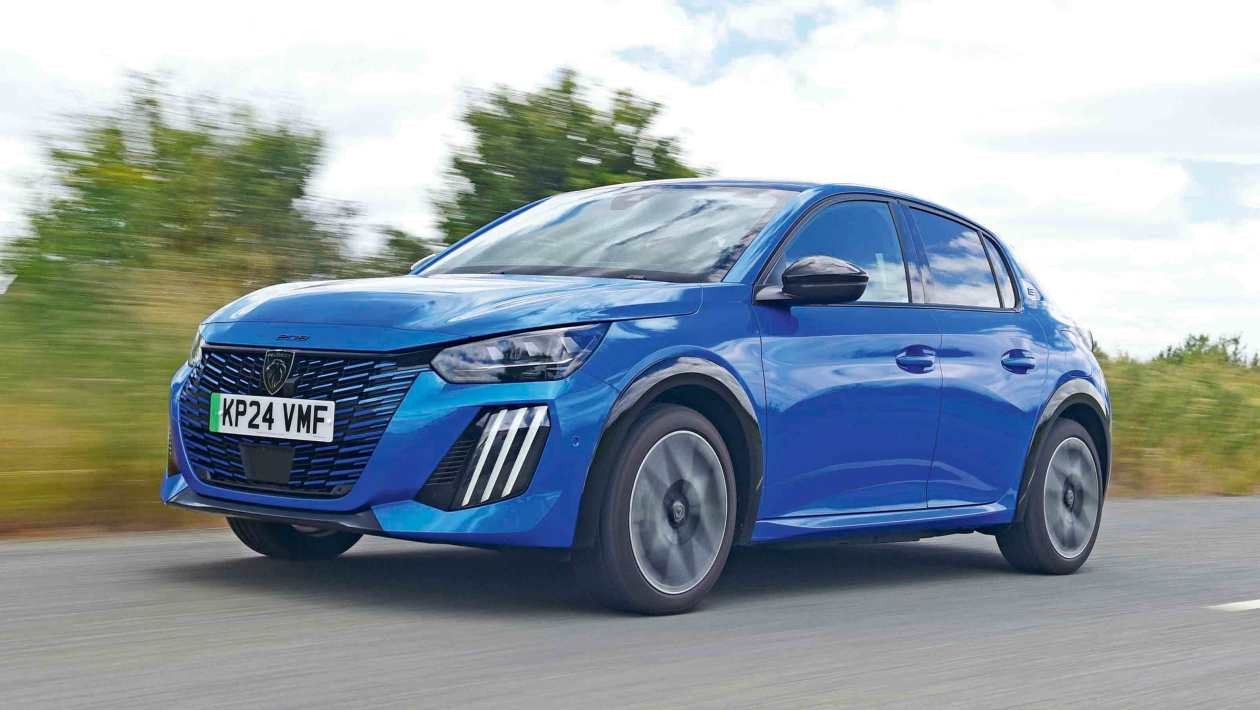
The Peugeot E-208 remains one of the most visually striking small electric vehicles (EVs) on the market. Thanks to recent subtle updates, it maintains a sharp, aggressive aesthetic that keeps it relevant in a crowded segment. However, while it offers a premium cabin and reliable urban performance, the small EV landscape has shifted rapidly since its debut. Today, the E-208 faces a difficult challenge: justifying its high price tag against newer, more efficient, and better-valued rivals.
Performance and Driving Dynamics
The E-208 is a competent driver, though it leans more toward refinement than raw excitement. It excels in urban environments, where light steering and a tight turning circle make navigating city streets effortless. Unlike some EVs that feel jerky in stop-start traffic, the E-208 offers a smooth, modifiable throttle response.
Power and Efficiency
Peugeot uses drive modes to manage the balance between range and performance, which can significantly alter the driving feel:
– Normal Mode: Provides sufficient punch for daily commuting. A “kickdown” feature allows the motor to access its full 154bhp when needed.
– Eco Mode: Significantly detunes the motor to roughly 80bhp, which can make the car feel noticeably sluggish.
Interestingly, the choice between the two available battery sizes is more about range than speed. The 50kWh version (134bhp) actually reaches 62mph slightly faster (8.1 seconds) than the more powerful 51kWh version (8.2 seconds).
Handling on the Open Road
On motorways, the E-208 is a refined cruiser, making it one of the better superminis for longer journeys. However, it lacks the “fun factor” found in competitors like the MINI Cooper Electric. On twisty roads, the E-208 exhibits more body lean and less grip, feeling more like a stable commuter than a spirited driver’s car.
Interior, Technology, and Practicality
Peugeot has clearly aimed for a “premium” feel to justify the car’s positioning, but the results are a mix of high style and functional compromises.
The i-Cockpit Experience
The interior features Peugeot’s signature i-Cockpit, characterized by a tiny steering wheel and a high-mounted digital instrument cluster. While stylish, this layout is divisive; it requires an adjustment period to ensure you are looking through the wheel rather than over it.
Build and Tech
The cabin feels more upscale than a Vauxhall Corsa, but it isn’t without flaws:
– Materials: While the design is smart, the heavy use of piano-black plastic and carbon-fiber effects can feel less premium than they look.
– Infotainment: A 10-inch touchscreen handles navigation and media, but the menu system is less intuitive than the streamlined interfaces found in newer Hyundai or Kia models.
– Visibility: Chunky B-pillars and a small rear window can create blind spots, making the optional reversing camera a highly recommended investment.
Space and Utility
The E-208 prioritizes design over sheer volume. While it boasts a respectable 309-litre boot —larger than many rivals—the lack of underfloor storage means your groceries may end up resting on top of your charging cables. Inside, rear passengers will find legroom and headroom quite cramped, especially for taller adults.
The Economic Reality: Range and Value
For many EV buyers, the “total cost of ownership” is the deciding factor. Here, the E-208 presents a complicated picture.
Range and Charging
Real-world testing shows the E-208 is quite efficient. With the 51kWh battery, users can expect a real-world range of approximately 219 miles. Charging is relatively quick; using a 100kW DC rapid charger, you can go from 10% to 80% in about 30 minutes.
The Depreciation Trap
Perhaps the most significant drawback is depreciation. Data suggests the E-208 may only retain about 30-31% of its value after three years. In contrast, its petrol-powered sibling and newer rivals like the Renault 5 hold their value much more effectively. When combined with relatively high insurance groups (31–32), the long-term cost of owning an E-208 is notably higher than its competitors.
Summary Table: Model Comparison
| Model | Battery | Power | 0-62mph | Range (Est.) |
|---|---|---|---|---|
| E-208 Allure | 50kWh | 134bhp | 8.1s | 225 miles |
| E-208 GT | 51kWh | 154bhp | 8.2s | 263 miles |
| E-208 GT Premium | 51kWh | 154bhp | 8.2s | 261 miles |
Conclusion: The Peugeot E-208 is a stylish, refined, and capable city car that excels in urban environments. However, due to high entry prices, steep depreciation, and tighter interior space, it may struggle to compete with more value-driven electric rivals.