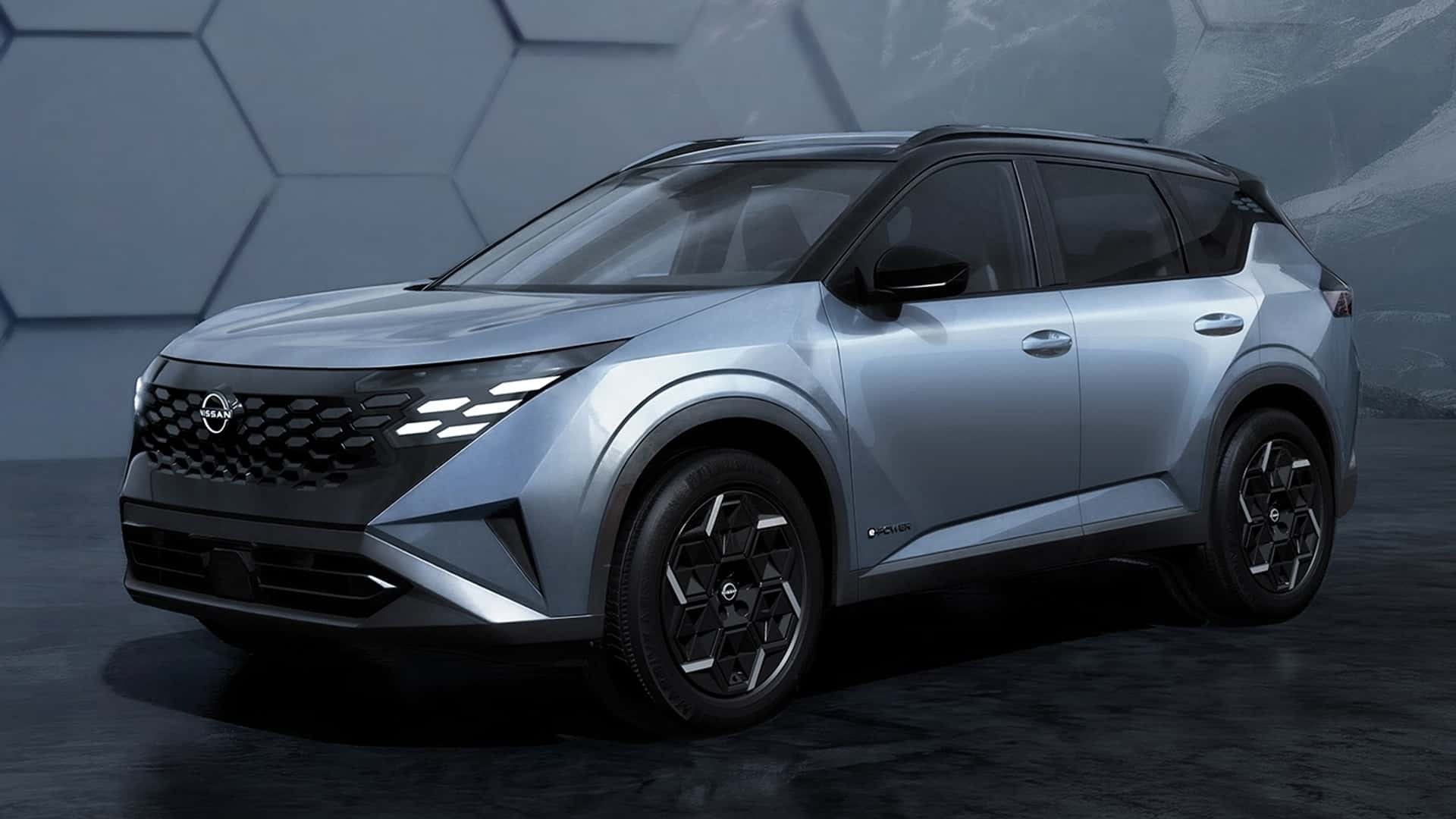
Nissan is preparing to shake up its compact SUV lineup with a significant technological shift. The upcoming 2027 Rogue E-Power is set to replace the traditional hybrid models, introducing a specialized “series hybrid” powertrain that seeks to offer the benefits of an electric vehicle without the limitations of current battery technology.
Understanding the E-Power Technology
The “E-Power” designation refers to Nissan’s Extended-Range Electric Vehicle (EREV) system. Unlike a traditional hybrid, where the gasoline engine and electric motor often work together to turn the wheels, the E-Power system operates differently:
- Electric Drive: The wheels are driven exclusively by electric motors (front and rear).
- The Role of Gas: A small, turbocharged three-cylinder engine acts solely as a generator. Its only job is to charge the battery pack or provide power directly to the electric motors.
- No Plugging Required: While it functions like an EV, you do not plug it in. You simply refuel it with gasoline at a standard gas station.
Why This Matters: Solving “Range Anxiety”
For many consumers, the transition from internal combustion engines (ICE) to fully electric vehicles (BEV) is hindered by range anxiety —the fear of running out of battery power before finding a charging station.
The Rogue E-Power addresses this by decoupling the fuel source from the driving mechanism. Because the engine functions as a mobile power plant, drivers can enjoy the smooth, instant torque characteristic of an electric motor while maintaining the convenience of long-distance travel via existing gas infrastructure. This makes the E-Power a strategic “bridge” technology for drivers who want an EV experience but are not yet ready to commit to a full battery-electric lifestyle.
Market Positioning and Expectations
Nissan’s rollout strategy indicates a clear preference for this new technology. The company plans to launch the E-Power version first, with the standard gasoline model following later. This suggests that Nissan views the E-Power system as the primary driver for the Rogue’s future success.
Beyond the mechanics, early impressions suggest the 2027 model features a more refined design than its 2026 predecessor. If the vehicle delivers on its promise of an EV-like driving feel with the reliability of a gasoline engine, it could become a dominant player in the highly competitive compact SUV segment.
The success of the Rogue E-Power will likely depend on the economic climate; as long as fuel prices remain a concern, this “best of both worlds” approach provides a compelling alternative to both traditional gas cars and pure EVs.
Conclusion
The 2027 Nissan Rogue E-Power represents a clever middle ground in the evolving automotive landscape, offering electric-drive performance without the need for charging infrastructure. By prioritizing this series hybrid system, Nissan is positioning itself to capture consumers who are eager for electrification but wary of the practical hurdles of pure battery power.