The proliferation of “smart” technology—internet-connected appliances, vehicles, and home systems—raises a simple question: are these advancements driven by consumer demand, or by corporate innovation outpacing actual need? Recent data suggests the latter is often the case.
Smart Appliances: A Niche Market
Despite industry hype, adoption rates for smart home appliances remain surprisingly low. A recent YouGov survey reveals that only around 3% of UK households own a smart fridge or similar device. The functionality offered—playing music, displaying weather updates, or even scanning food inventories—doesn’t resonate with the majority of consumers.
This isn’t simply about affordability; it’s about utility. Most people don’t need their refrigerator to perform tasks already handled effectively by smartphones, stereos, or a quick glance out the window. The features are often redundant, and the actual benefits remain unclear.
Forced Upgrades: The Automotive Example
The situation shifts dramatically when considering modern vehicles. Unlike smart appliances, consumers have limited choice in the tech bundled into new cars. Features like mandatory SOS systems (which automatically alert emergency services in case of accidents) and over-the-air software updates are now standard.
The latter, while presented as convenience, increasingly ties vehicle ownership to ongoing subscription services. This shifts the model from purchasing a product to subscribing to its functionality, effectively eroding traditional ownership rights. Many consumers may not desire these features but are forced to accept them as a condition of buying a new car.
The Illusion of Choice
The key difference lies in agency. With appliances, consumers can choose to ignore the “smart” options entirely. Energy companies may push smart meters, but individuals can avoid engaging with them. Cars, however, offer far less autonomy.
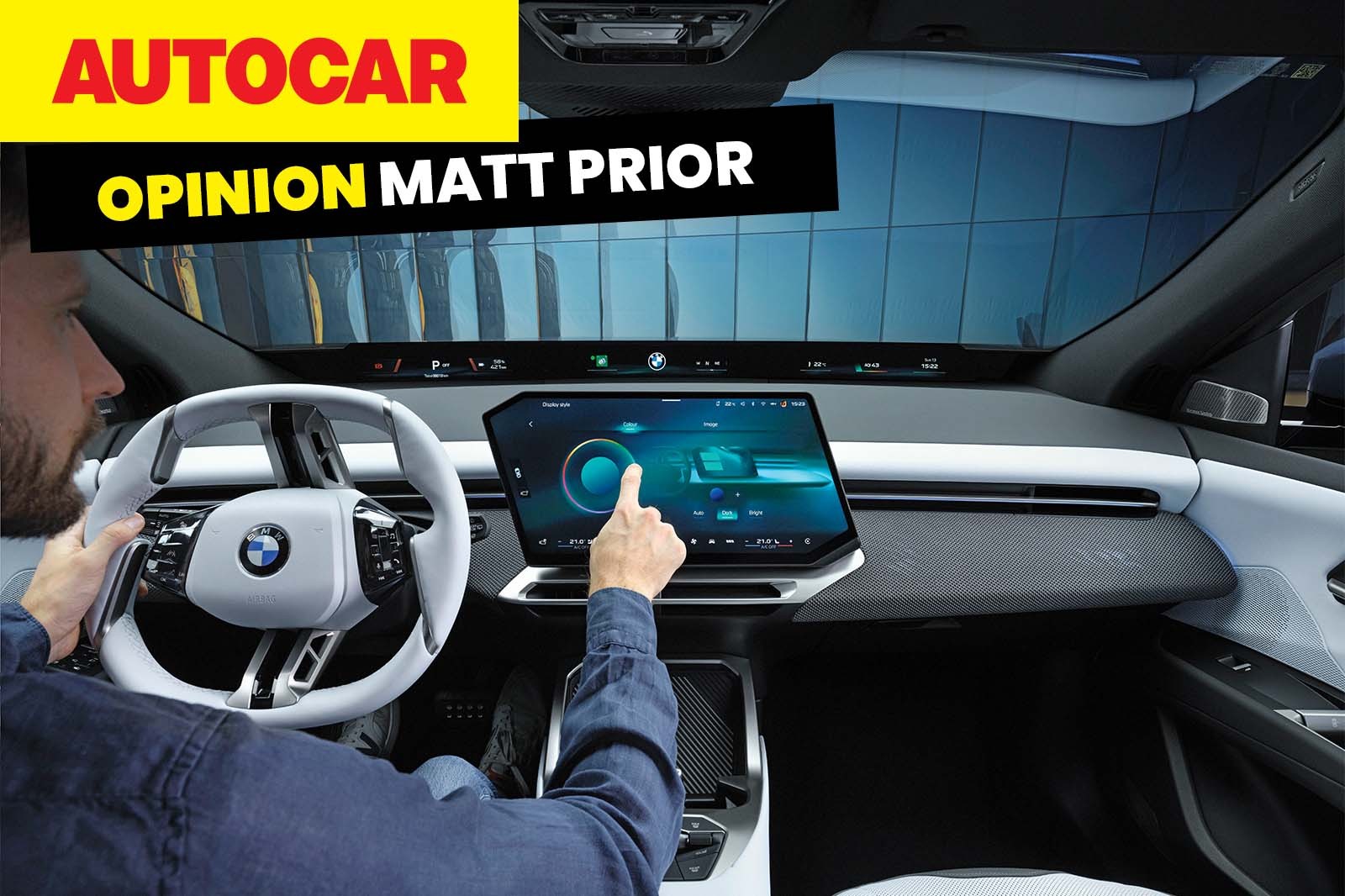
This isn’t a rejection of technology itself; the author notes owning several tech products out of choice. Rather, it’s a critique of forced upgrades and features added without genuine consumer demand. The trend towards over-engineered interfaces—too many screens, too few physical buttons—further complicates usability for many drivers.
The issue isn’t the technology itself, but the imposition of unnecessary complexity.
The rapid integration of “smart” features into everyday objects is a clear illustration of how innovation doesn’t always equate to improvement. As cars and other devices become increasingly data-connected, the question remains: are these advancements designed for the benefit of consumers, or for the sake of innovation itself?