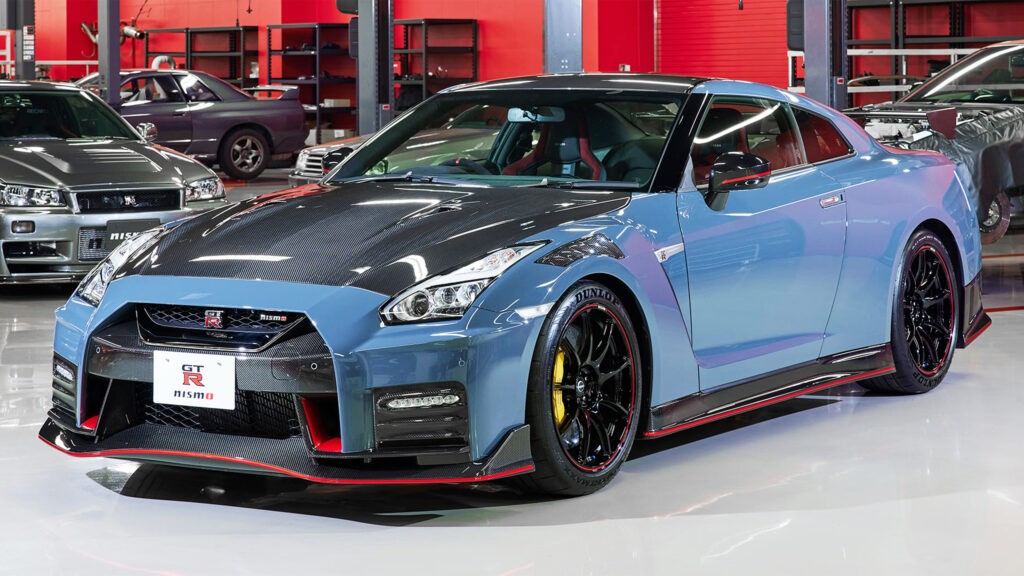
Nissan is moving forward with the long-awaited R36 generation GT-R, with plans to launch the iconic sports car before the end of the decade. In a surprising move, the new model will retain the famed twin-turbo V6 engine from the current R35, but with significant updates including hybridization.
A Cult Engine Survives
For years, enthusiasts questioned whether Nissan would abandon the VR38 engine that powered the R35 GT-R. This 3.8-liter V6 has become legendary for its tuning potential and reliability. Nissan’s chief planning officer, Ponz Pandikuthira, confirmed that the engine block will likely remain, despite the need for modernization.
“Why would you throw that away? But maybe the way combustions matter needs to be very different.”
This suggests that while the core structure will stay, the cylinder heads, pistons, and other top-end components will be heavily revised to meet modern performance and emissions standards.
Hybridization is Key
The VR38 won’t meet global emissions regulations without electrification. Nissan is expected to integrate a hybrid system, which could push the R36 GT-R’s total output well beyond 800 horsepower. The exact configuration – battery pack size, electric motor setup – remains unknown, but the move aligns with industry trends.
Timeline for Release
Nissan expects to make concrete announcements about the R36 GT-R by 2028, with the car’s release planned before the end of the decade. The decision to keep the VR38 V6 alive ensures a continuity that honors the GT-R’s legacy while adapting to future regulations.
This confirms Nissan is serious about the next-gen GT-R, and that it will likely combine the best of both worlds: a proven engine with modern hybrid technology.