Automotive aesthetics are subjective, but some vehicles stand out for failing to impress. While performance, efficiency, and comfort matter, this analysis focuses solely on visual design – identifying the cars that Australian buyers might find particularly unappealing in 2026.
Subjectivity vs. Consensus
The notion of “ugly” is personal, yet certain design choices consistently draw criticism. This review isn’t about vehicle quality; it’s about how these cars look, and why some designs fall short. Some choices are questionable, while others are simply mismatched or poorly executed.
The Contenders
Several models have emerged as contenders for the least attractive vehicles on the market:
Hyundai Ioniq 6
Multiple reviewers cite the Ioniq 6 as a standout example of poor design. The rear end, described as sagging or resembling an Apple mouse, lacks cohesion. Comparisons to the discontinued Ford Falcon suggest a lack of market appeal, with sales lagging behind competitors like the BMW i4. The facelifted version and N performance trim offer slight improvements, but the base model’s styling remains divisive.
MG IM6
The MG IM6 is another frequent target. Its mishmash of design cues – borrowing from Tesla and Aston Martin without achieving a unified aesthetic – results in a disjointed look. The vehicle appears disproportionately tall and narrow, despite being nearly 5 meters long. A minor facelift in China failed to address the fundamental design flaws, reinforcing its status as visually unappealing.
Cadillac Lyriq
The Cadillac Lyriq’s rear design divides opinions. Angular, busy detailing detracts from the overall aesthetic. The crisscross lighting signatures are considered excessive, lacking cohesion and identity. While the front end receives praise, the rear is deemed a misstep in an otherwise distinctive SUV lineup.
BMW XM
The BMW XM is an aggressive departure from the brand’s traditional elegance. Its oversized proportions, kidney grille, and awkward creases create a jarring visual experience. Critics point to a lack of cohesion, with the design failing to live up to BMW’s reputation for refinement.
Lotus Eletre
The Lotus Eletre represents a drastic shift for a company known for lightweight sports cars. Weighing over 2.5 tons, this electric SUV embodies a contradiction in branding. The design is described as disastrous, with disjointed proportions and questionable detailing, especially in the front and rear sections. The interior, too, faces criticism for its uninspired execution.
Mahindra XUV700
The Mahindra XUV700 stands out for its mismatched design elements. Small wheels appear disproportionate to the body, while molded wheel arches fail to conceal the imbalance. The pop-out door handles and C-shaped lighting add modernization but cannot salvage the car’s overall shape, which evokes outdated aesthetics.
Subaru Outback Wilderness
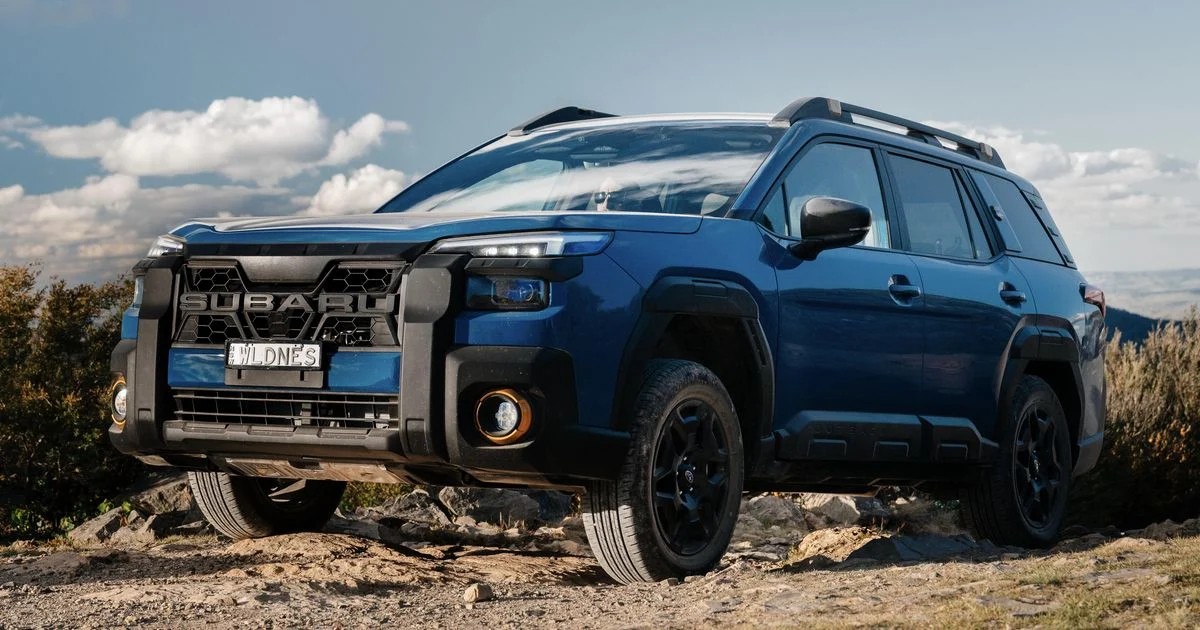
The Subaru Outback Wilderness amplifies the brand’s already unrefined styling. Excessive black cladding, split-level front lighting, and a prominent grille contribute to an aggressive but unappealing appearance. The thick black bar across the tailgate, combined with awkward spotlights, further detracts from the vehicle’s aesthetic appeal.
Why These Designs Fail
The common thread among these vehicles is a lack of cohesion. Some designs clash with their brand identity, while others simply suffer from poor execution. In a competitive market, visual appeal can significantly influence consumer choice. These cars demonstrate that even with functional performance, aesthetics matter.
Ultimately, taste is subjective. However, these vehicles consistently elicit negative reactions from automotive critics and enthusiasts, confirming their status as the least appealing new cars available in Australia as of 2026.