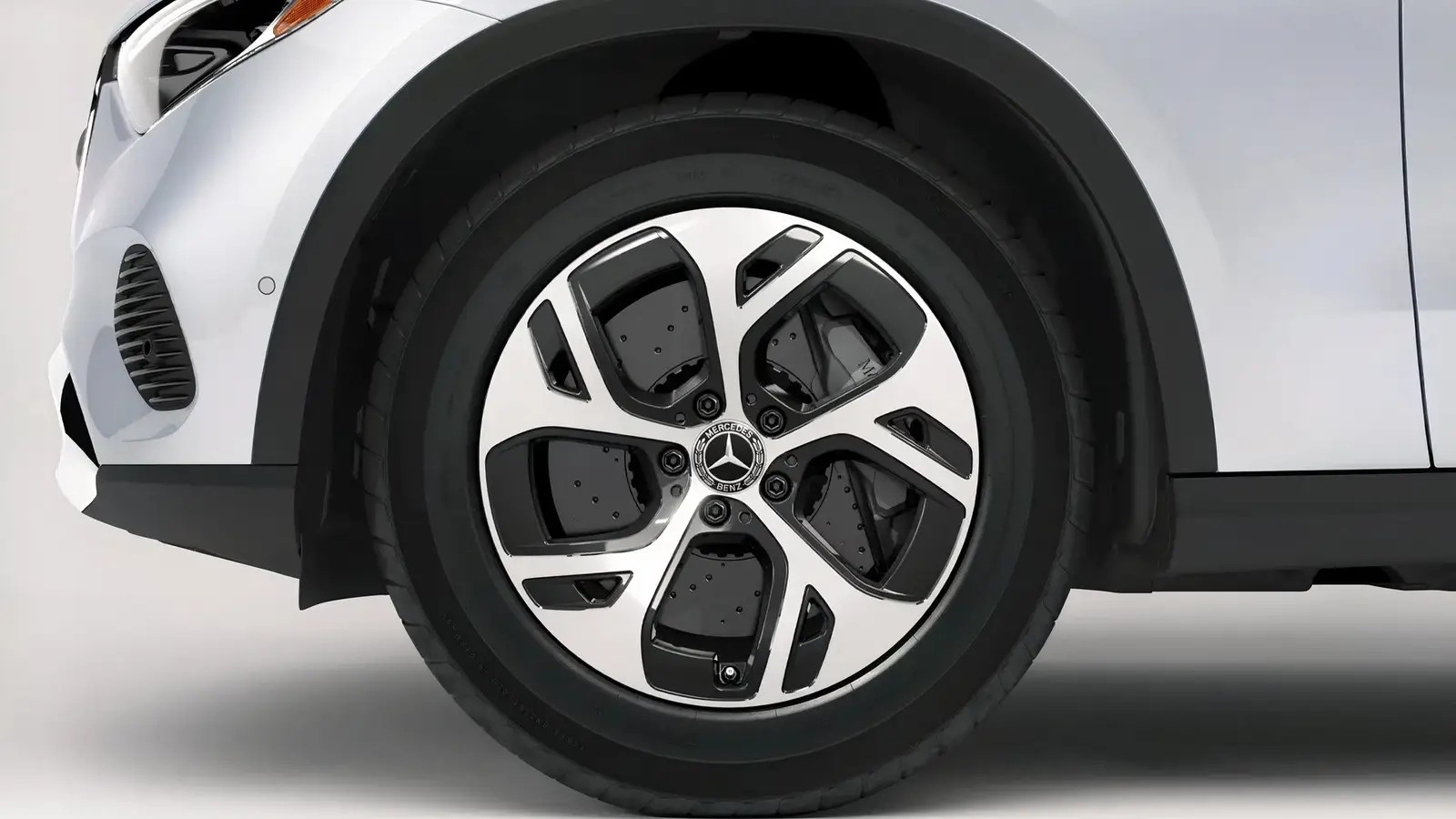
Plug-in hybrid vehicles (PHEVs) have rapidly evolved from fuel-saving compromises to viable alternatives to full electric cars, largely due to advancements in electric range. While early PHEVs struggled to exceed 20 miles on a single charge, the 2026 Mercedes-Benz GLC 350e 4MATIC now leads the U.S. market with an EPA-rated 54 miles of electric-only driving – a figure surpassed by only a few models globally. This leap in range fundamentally changes how a PHEV fits into daily life, shifting it from a fuel-economy tool to a genuinely electric-first vehicle.
The Evolution of Electric Range in PHEVs
Early plug-in hybrids, like the 2012 Toyota Prius Plug-In, offered limited electric range, forcing drivers to rely heavily on gasoline. The initial appeal was modest fuel savings, but the reality was that most PHEV owners still burned gasoline for the majority of their trips. Over time, battery technology improved, pushing ranges into the 30–40-mile territory.
The current trend is driven by the realization that many drivers already travel less than 50 miles a day. A PHEV with sufficient electric range can cover commutes, errands, and school runs without ever touching the gas tank. This not only saves money at the pump but also reduces emissions and promotes a more sustainable driving experience.
Why Range Matters: Beyond Fuel Savings
The primary benefit of extended electric range is cost reduction. Charging at home is significantly cheaper than refueling with gasoline, especially given current fuel prices. But the implications are broader. Longer electric ranges make PHEVs a more practical choice for those who want to minimize their carbon footprint or live in areas with strict emissions regulations.
However, it’s crucial to recognize that real-world range varies. Cold weather reduces battery efficiency, aggressive driving drains power faster, and hilly terrain demands more energy. The GLC 350e accounts for these factors through intelligent thermal management and regenerative braking, but drivers must still adjust expectations accordingly.
How the GLC 350e Achieves Its Range
The 2026 Mercedes-Benz GLC 350e doesn’t just boast a large battery – it integrates its components efficiently. The vehicle utilizes a 24.8-kWh battery, larger than many competitors, paired with a 100 kW (134 hp) electric motor and a turbocharged 2.0-liter engine. This synergy delivers a combined output of 313 horsepower and 406 lb-ft of torque.
Key innovations include:
- Integrated Powertrain: The electric motor is housed within the transmission, reducing mechanical losses.
- Regenerative Braking: Recaptures energy during deceleration, extending range.
- Advanced Battery Management: Optimizes charging and discharge rates for maximum efficiency.
- Fast Charging Capability: Allows for quick top-ups on long journeys.
The GLC 350e in Action: Electric First, Gasoline Backup
In typical urban driving, the GLC 350e can operate solely on electric power for up to 54 miles. This is enough to cover most daily commutes and errands without burning a drop of gasoline. When the battery depletes, the turbocharged engine seamlessly takes over, providing a familiar and reliable driving experience.
The transition between electric and gasoline power is relatively smooth, though drivers will notice the change in engine sound. The vehicle also features all-wheel drive (4Matic) for enhanced traction and stability in various conditions.
Competition and Future Trends
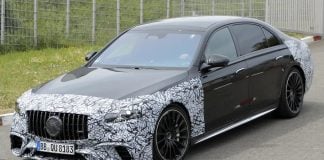
While the GLC 350e currently holds the U.S. lead in PHEV electric range, competition is intensifying. The 2026 Toyota RAV4 is expected to deliver significant improvements, and Mercedes-Benz itself offers the S 580e, demonstrating that long electric range isn’t limited to smaller vehicles.
The future of PHEVs will likely involve even larger batteries, more efficient powertrains, and increasingly seamless transitions between electric and gasoline modes. These vehicles will continue to bridge the gap between traditional internal combustion engines and fully electric cars, offering a practical and versatile solution for drivers who aren’t yet ready to commit to an all-electric lifestyle.
The 2026 Mercedes-Benz GLC 350e 4MATIC is not just another plug-in hybrid; it’s a demonstration of how far the technology has come and a glimpse into the future of electrified driving. With its class-leading electric range, sophisticated powertrain, and luxurious features, it sets a new benchmark for PHEVs in the marketplace.