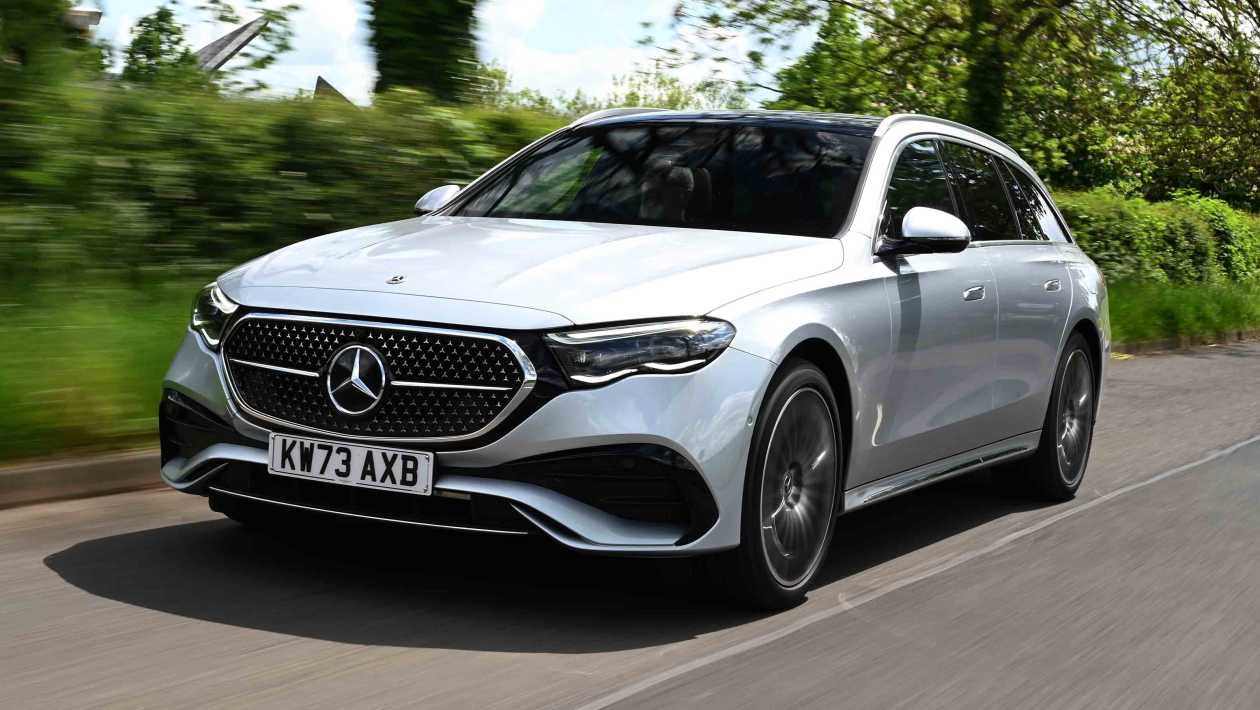
The Mercedes-Benz E-Class Estate remains a benchmark in the premium wagon segment, blending luxury, advanced technology, and practicality. While it excels in comfort and refinement, the latest iteration doesn’t quite hit the mark in driver engagement compared to rivals like the BMW 5 Series Touring.
A Legacy of Versatility
Mercedes-Benz has offered an estate version of its E-Class since 1965, with the first model bearing the badge appearing in 1993. The current sixth-generation model, revealed in 2024, builds upon the versatile MRA2 platform shared with the C-Class and S-Class, ensuring a familiar yet improved driving experience.
The E-Class Estate caters to those seeking a high-end wagon with a comprehensive powertrain lineup, including efficient plug-in hybrid options. Despite its spacious body, practicality takes a hit with the plug-in hybrids due to battery placement, a trade-off many buyers may not want to make.
Pricing and Availability
The E-Class Estate is positioned as a premium offering, with prices starting just under £60,000 for the base E 200 Urban Edition. Higher trims, like the AMG E 53, climb to between £95,000 and £100,000. Used models offer savings, with prices ranging from around £13,000 to £34,000 depending on age and mileage.
Performance and Driving Experience
The E-Class Estate prioritizes comfort over sporty handling, offering a smooth and refined ride. The engine range includes petrol, diesel, and plug-in hybrid options, with the AMG variants delivering strong performance.
- E 200: 204bhp, 7.8s 0-62mph, 144mph top speed. A decent entry point.
- E 220 d: 197bhp, 7.9s 0-62mph, 143mph top speed. A strong choice for efficiency and torque.
- E 300 e (PHEV): 313bhp, 6.5s 0-62mph, 141mph top speed, up to 68 miles EV range. Combines power and efficiency.
- AMG E 53: 577bhp, 4.1s 0-62mph. A powerful option, though it lacks the raw character of older AMG models.
The nine-speed automatic transmission is smooth and unobtrusive, enhancing the overall driving experience. However, the E-Class doesn’t match the agility of the BMW 5 Series, feeling heavier and less engaging on twisty roads.
Urban, Country, and Motorway Performance
The E-Class performs well in urban settings, with quiet operation and comfortable suspension. Country roads reveal its limitations in handling, while the motorway is where it shines, with excellent ride quality and low noise levels.
Fuel Efficiency and Running Costs
The plug-in hybrid models offer the lowest running costs, but real-world figures depend on charging habits. The diesel E 220 d is also efficient, achieving up to 55.4mpg. Insurance costs are high across the range, and depreciation is significant, though comparable to the BMW 5 Series.
Interior and Technology
The interior is luxurious and feature-rich, with high-end technology integrated seamlessly. The seats are comfortable, and the cabin design is modern yet refined. However, some quality concerns have been noted, with certain materials not living up to Mercedes’ historical standards.
Key Takeaways
The Mercedes-Benz E-Class Estate remains a top contender in the luxury wagon market. Its strengths lie in comfort, refinement, and advanced technology. While it doesn’t match the sportiness of some rivals, it delivers a premium experience for those prioritizing practicality and luxury.