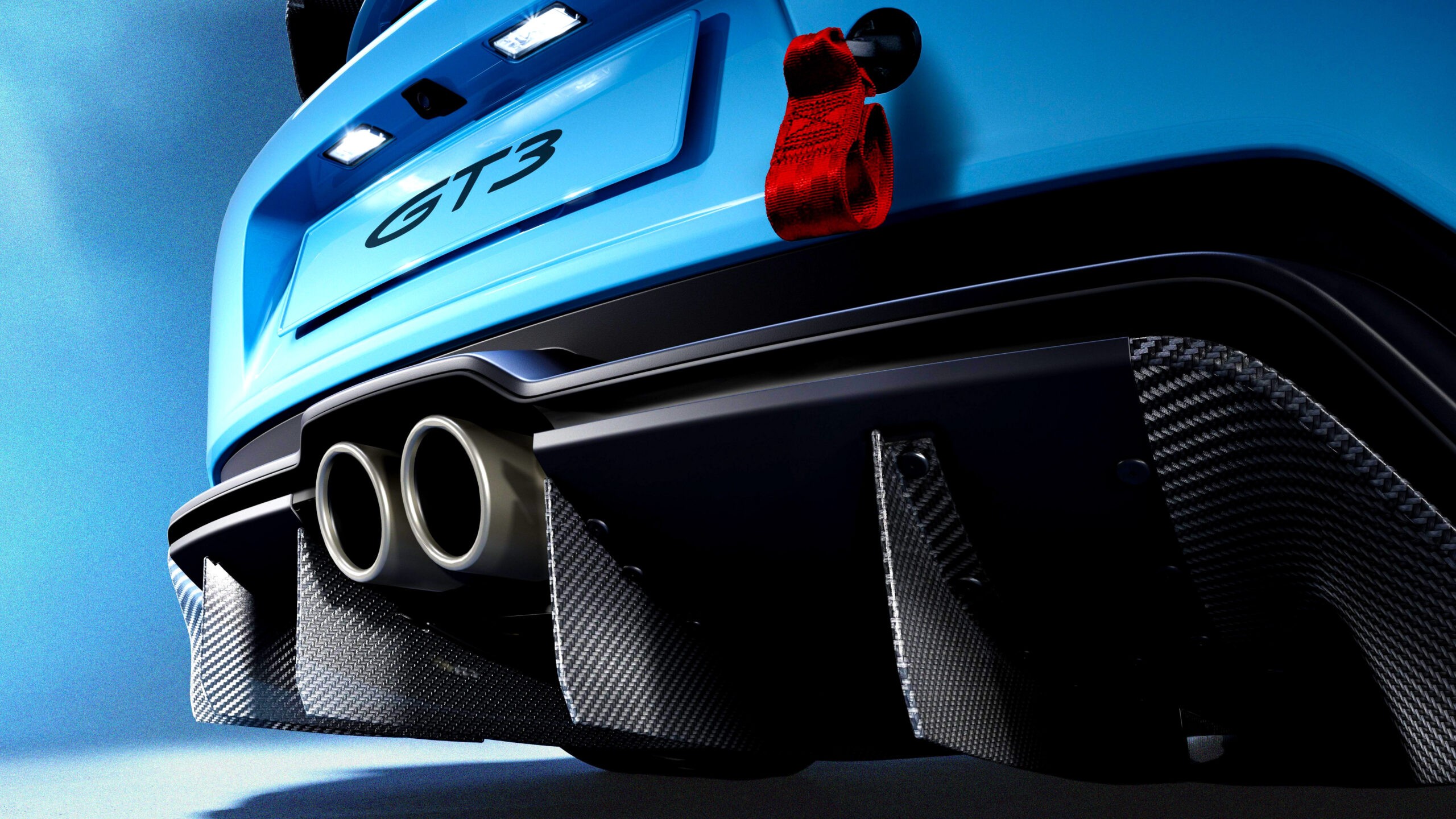
The Porsche 911 GT3 has long been defined by a specific, visceral experience: the high-revving scream of a naturally aspirated flat-six engine. However, that era may be reaching its twilight. According to Andreas Preuninger, head of Porsche’s GT division, tightening emissions regulations are forcing a difficult choice between preserving automotive character and meeting legal requirements.
A Divergence Between Markets
In a recent interview with Car and Driver, Preuninger hinted at a potential split in how Porsche approaches its high-performance models in different regions. The core issue is not a lack of engineering will, but rather the increasingly strict environmental mandates governing the European market.
The implications for enthusiasts are significant:
– In Europe: The current 4.0-liter naturally aspirated engine may only have a few years of life left before “substantial changes” are required.
– In America: The engine’s survival looks more promising, with Preuninger suggesting it could remain in production for “quite some time.”
This geographic divide highlights a growing trend in the automotive industry: regulatory fragmentation. As different continents adopt varying speeds and strictness for carbon emission targets, manufacturers are increasingly forced to create region-specific versions of the same car to balance performance with compliance.
The Shift Toward Forced Induction
The most pressing question for GT3 purists is what replaces the current engine. When asked if the next generation might move toward turbocharging, Preuninger did not rule it out, stating, “it might be.”
While turbocharging offers more torque and better efficiency—key requirements for modern emissions standards—it fundamentally changes the car’s DNA. The “soul” of the GT3 is tied to its linear power delivery and the immediate throttle response that only a naturally aspirated engine can provide.
We are already seeing Porsche navigate this transition in other models:
– The 911 GTS has moved toward a turbocharged hybrid setup.
– The 911 Turbo S has long relied on forced induction to achieve its performance benchmarks.
Why This Matters for Enthusiasts
The potential shift toward turbocharging represents more than just a mechanical change; it is a shift in the philosophy of driving. For a track-focused machine like the GT3, the engine is not just a power source—it is an instrument.
The tension between “character” and “compliance” is the defining struggle of modern performance car engineering.
As manufacturers move toward hybridization and forced induction to meet global green mandates, the window for owning a pure, high-revving, naturally aspirated engine is closing. For those who value the specific mechanical symphony of the current 4.0-liter unit, the message is clear: the opportunity to own one is becoming a finite luxury.
The transition toward stricter emissions standards is forcing Porsche to reconsider the very engine that defines the GT3, potentially leading to a future of turbocharged performance that differs by region.