Ferrari’s first electric vehicle, the Luce, breaks with industry trends by embracing physical controls over touchscreen dominance. This surprising design choice comes from none other than Jony Ive, the former Apple design chief credited with popularizing touch interfaces on the iPhone, iPad, and MacBook. The Luce’s interior is a throwback to classic automotive design, featuring an abundance of tactile buttons, toggles, and switches.
Why Touchscreens Fail in Vehicles
Ive explains that his initial development of touch technology was driven by a specific problem: creating a versatile interface for devices meant to function as calculators, typewriters, cameras, and more. He never intended for touch controls to be primary in cars, stating bluntly that they demand drivers take their eyes off the road. This is a fundamental safety issue that Apple’s mobile devices didn’t face.
“I never would have used touch in a car [for the main controls]… It requires you to look [away from the road], so that’s just the wrong technology to be the primary interface.”
The Luce’s Tactile Approach
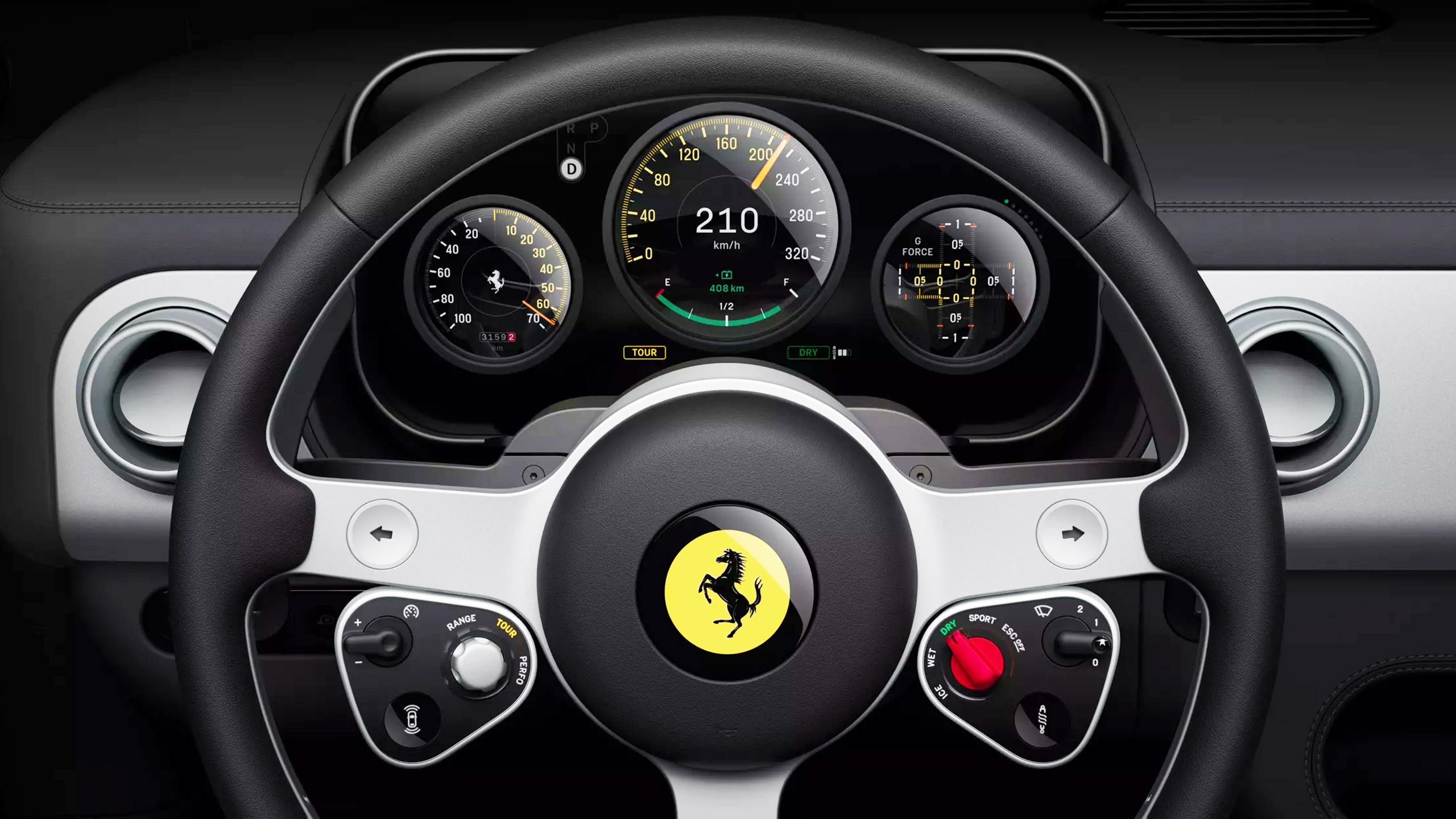
The Luce isn’t entirely screen-free: it uses OLED panels designed to mimic analog dials, complete with a physical, backlit needle. However, core functions like climate control, driving modes, and audio adjustments are handled through physical knobs and switches. Ive emphasizes that each control feels distinct, eliminating the need for visual confirmation.
The car’s center console includes tactile dials, buttons on the steering wheel, and even an aircraft-inspired panel overhead. This represents a departure from the haptic controls found in previous Ferrari models, like the SF90. The goal is intuitive, safe operation, achieved through muscle memory rather than constant visual engagement.
The Problem with Automotive UX
Ive criticizes the automotive industry’s adoption of touchscreens as a fashion trend. Companies chased the latest technology without solving real-world problems. Unlike Apple’s user-focused design process, many carmakers simply added larger and larger screens because they could, not because they should.
The Luce’s design is a clear signal: usability and safety matter more than chasing the newest tech. Ferrari is betting that drivers will prefer feeling their way around the car rather than fumbling with a touchscreen while trying to stay focused on the road.
Ultimately, the Luce demonstrates that the best automotive interface isn’t always the most modern, but the most practical.