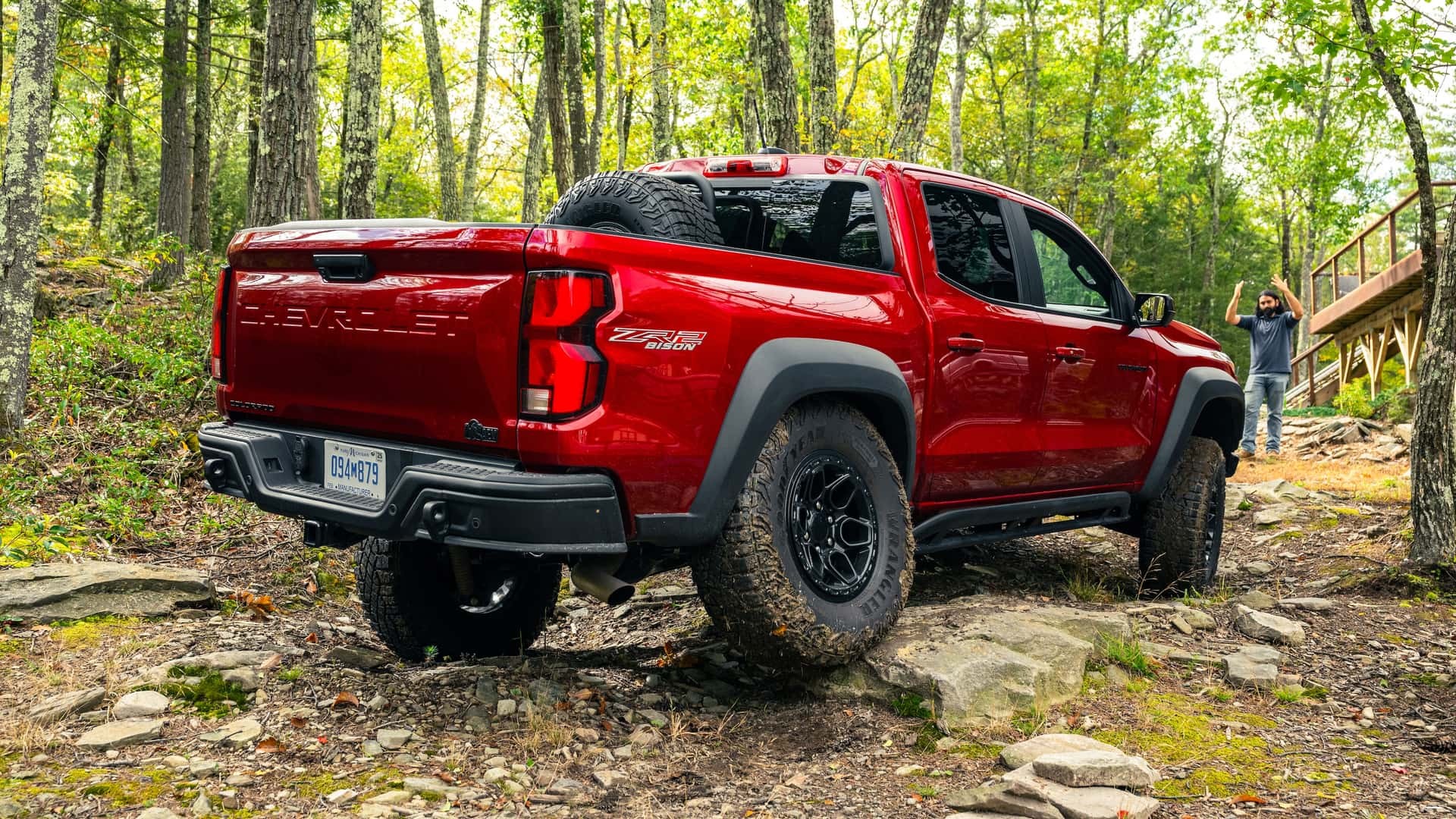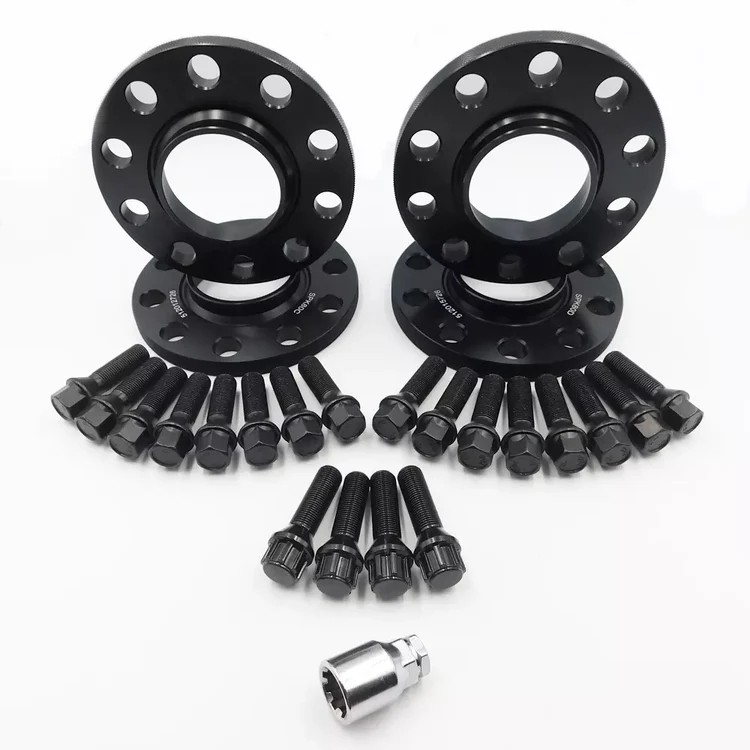
Most car enthusiasts want a wider, more aggressive stance. Wheel spacers are the easiest way to achieve this, but choosing the right thickness isn’t just about aesthetics. Incorrect sizing can compromise safety and handling. This guide breaks down how to select the proper spacer thickness, ensuring you get the look you want without cutting corners.
Understanding Wheel Spacer Thickness
Wheel spacers simply move the wheel outward from the hub. This affects three key areas: the car’s appearance, clearance for suspension and brakes, and—critically—thread engagement with the wheel studs. A 12mm spacer moves the wheel 12mm outward; simple enough. But small differences in thickness become significant as the wheel nears the fender arch.
Why it matters: Poor fitment isn’t just cosmetic. Insufficient thread engagement can lead to wheel separation over time, especially under stress (track use, hard cornering).
Assess Your Current Fitment First
Before buying anything, determine how far your wheels currently sit inside the wheel arch. This is the foundation of choosing the right spacer thickness. Use one of these methods:
- Stand directly above the wheel and visually estimate the gap.
- Use a straight edge across the wheel arch to measure the space.
- Take a clear photo for later reference.
For example, if your wheels are recessed 10-12mm, a 12mm spacer will bring them nearly flush. Deeper recesses require 15mm or more.
Define Your Fitment Goal
Not everyone wants the same look. Here are common goals:
- Flush Fitment: The wheel sits level with the fender arch, neither protruding nor tucked in. Typically, 12-15mm spacers work well upfront and 15-20mm in the rear.
- Aggressive Fitment: The wheel extends slightly beyond the fender arch. This usually means 15-20mm front and 20mm+ rear. Proceed carefully; clearance becomes crucial.
- Functional Clearance: If you’re correcting rubbing or accommodating larger brakes, choose the minimum spacer that solves the issue.
The Thread Engagement Problem (And How to Fix It)
This is where most people go wrong. Adding a spacer reduces how much of the wheel stud engages with the hub. Less engagement means less safety.
Rule of thumb: Aim for at least 6.5 to 8 full turns of engagement on standard M14 setups.
- 12mm spacers are usually safe with slightly longer bolts.
- 15mm spacers require longer bolts.
- 20mm+ spacers often benefit from stud conversion spacers (bolt directly to the hub).
Ignoring this can lead to catastrophic failure over time.
Spacer Types: Straight-Through vs. Bolt-to-Hub
Thickness isn’t the only factor. Design matters too.
- Straight-Through Spacers: Use longer bolts to compensate for the added thickness. Simpler and cheaper, but rely heavily on bolt length accuracy.
- Bolt-to-Hub Spacers: Bolt directly to the hub first, then the wheel bolts to the spacer. Maintain full thread engagement and offer safer, more consistent fitment.
Recommendation: Hubcentric wheel spacers are superior; they properly locate on the hub and minimize vibration.
Real-World Example: Porsche Fitment
Many Porsche models sit slightly tucked from the factory. A common setup:
- 15mm front
- 20mm rear
This provides a balanced stance, avoids rubbing, and maintains adequate thread engagement with the correct spacer type.
Common Mistakes to Avoid
- Copying Others Blindly: What works for someone else’s car may not work for yours.
- Ignoring Suspension Setup: Lowered cars have less clearance and require more careful spacer selection.
- Mixing Cheap Spacers with Quality Hardware: Poor tolerances and materials lead to vibration and premature wear.
The Simple Method: Measure, Decide, Verify
- Measure your current wheel inset.
- Define your desired fitment style (flush, aggressive).
- Choose the spacer thickness that matches the gap.
- Double-check thread engagement.
- Select the correct spacer type (straight-through or bolt-to-hub).
Final Thoughts
Choosing the right wheel spacer thickness isn’t hard if you approach it methodically. Measure, plan, and verify. Guessing or copying others without checking details is a recipe for problems. When done right, wheel spacers transform a car’s stance and feel.