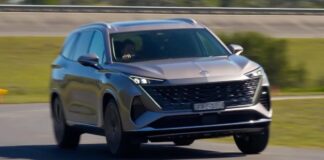
Ford CEO Jim Farley recently assessed Chinese plug-in hybrid pickups, finding them competitive for casual use but inferior in heavy-duty performance to established models like the Ford Ranger and Toyota Hilux. His evaluation, made during a drive test in Australia, underscores a growing trend: Chinese automakers are gaining ground in electrification and tech integration while legacy brands adapt.
Evaluating Chinese Electric Pickups
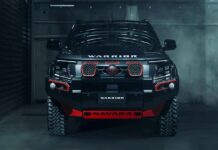
Farley tested the BYD Shark 6 and GWM Cannon Alpha alongside Ford and Toyota trucks, noting the Chinese models as “different animals.” While adequate for light-duty tasks, the BYD Shark, for example, cannot match the payload capacity of traditional work trucks when loaded. This distinction highlights a key difference: Chinese pickups currently focus on lifestyle buyers rather than commercial operators.
Ford’s Engineering Insights
Ford engineers have analyzed Chinese vehicles to understand their cost-efficiency and construction. Despite the advancements, Farley admits that the economics behind these pickups remain unclear, even to Ford’s technical team. This suggests aggressive pricing strategies and innovative manufacturing methods are at play, posing a competitive challenge.
Broader Recognition of Chinese EV Quality
Farley has previously praised Chinese EV technology, comparing Xiaomi’s SU7 to the “Apple of China” due to its seamless digital integration, AI features, and Porsche-level acceleration. This broader recognition acknowledges the rapid progress of Chinese brands in delivering high-quality, tech-forward vehicles.
Global Expansion of Chinese Pickups
Chinese pickup exports have surged, exceeding 50% of production. In January 2026 alone, roughly 27,000 units were shipped overseas, led by manufacturers like GWM. This aggressive international expansion indicates a shift in the mid-size pickup segment and evolving buyer expectations.
The takeaway: Chinese plug-in pickups are not yet replacing traditional work trucks but gaining traction for everyday use and export markets. The combination of competitive pricing, electrification, and tech integration signals a change in the industry, forcing global automakers to adapt.