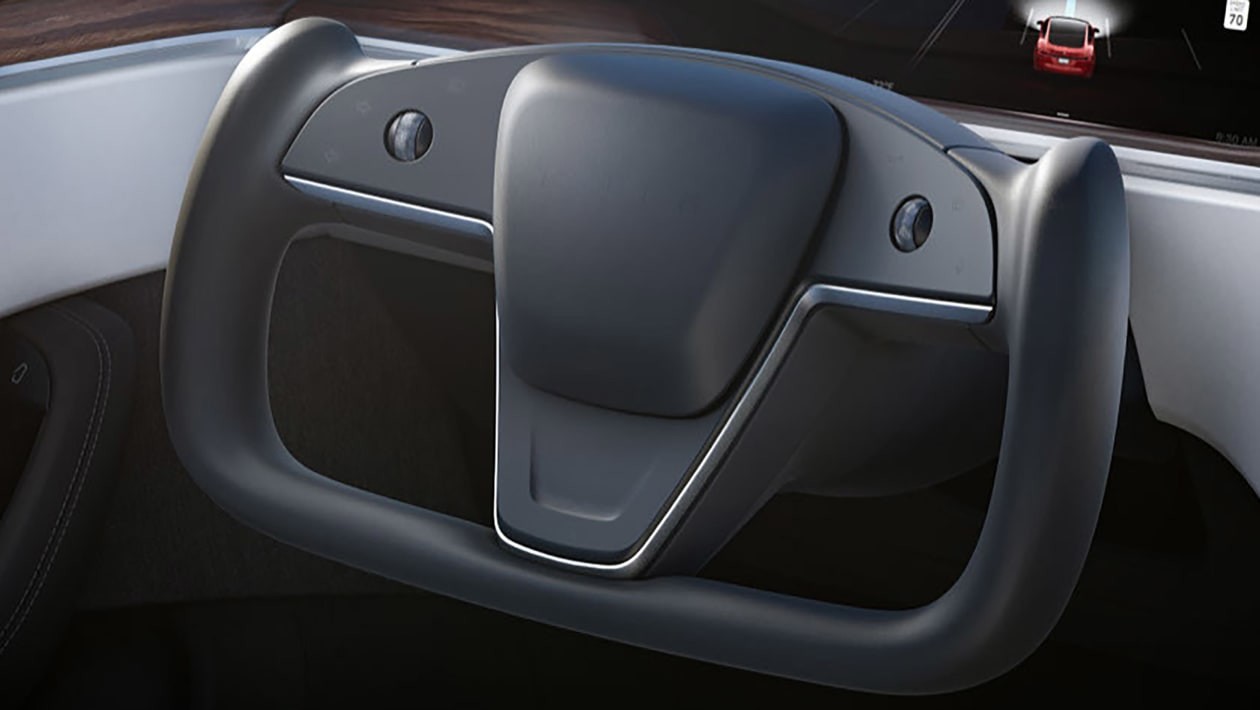
China is moving to ban the unconventional “yoke” steering wheels—popularized by Tesla and Lexus—alongside other controversial design features like pop-out door handles, as part of stricter new automotive safety regulations. The Ministry of Industry and Information Technology (MIIT) has drafted rules that deem these designs unsafe, prioritizing driver protection in the event of a collision.
Safety Concerns Drive the Ban
The primary issue with yoke-style steering wheels is the reduced cushioning between the driver and the steering column during an impact. Traditional steering wheels offer significantly more surface area for impact absorption, reducing the risk of injury. The new standard, ‘GB 11557-202X’, requires rigorous impact testing at ten points across the steering wheel, a challenge for yoke designs with their minimal structure.
As of January 1st, vehicles with yoke steering wheels will be barred from sale in China, with existing models likely granted a short transition period to comply. This decision doesn’t affect most manufacturers, as yokes have remained relatively niche—first gaining traction with the Tesla Model S Plaid and later appearing in the Model X and Lexus RZ.
Beyond Steering Wheels: Door Handle Restrictions
The ban extends to Tesla-style pop-out electric door handles. New regulations mandate that all vehicles under 3.5 tonnes must include physical, mechanical emergency release mechanisms for both interior and exterior doors. This is to ensure passengers can exit in case of power failure.
These measures demonstrate China’s increasing scrutiny of automotive designs, especially those prioritizing aesthetics over proven safety standards.
Implications for Automakers
This crackdown represents another setback for Tesla in the Chinese market, following previous restrictions on its vehicles. Other automakers like Mercedes-Benz, which had planned to introduce yoke-style steering wheels in upcoming models, will also need to adjust their designs for Chinese sales.
The trend highlights a growing tension between innovative car designs and established safety protocols. As vehicle technology evolves, regulators are reinforcing the need for functional and reliable safety features, even if it means sacrificing certain futuristic or unconventional elements.
China’s move underscores a clear message: safety is paramount, and manufacturers must prioritize it in their designs, especially in the world’s largest automotive market.