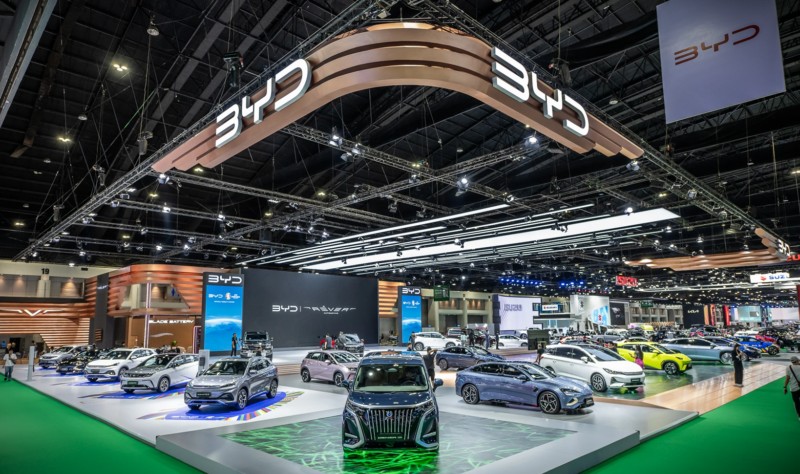
Chinese automakers, including industry leader BYD, are aligning with the government’s latest move to boost vehicle trade-ins by easing early loan repayment penalties. This policy, announced December 14, 2023, by key financial and commerce regulators, is designed to encourage consumers to upgrade vehicles more frequently.
Why This Matters: Stimulating the Automotive Market
The move comes as China seeks to revitalize its auto market, which is crucial to broader economic growth. By making trade-ins more financially attractive, Beijing aims to accelerate turnover and stimulate demand for new cars. The policy isn’t just about cars; it’s part of a larger effort to encourage spending on durable goods.
Key Policy Points
The joint notice from the Ministry of Commerce, the People’s Bank of China, and the Financial Regulatory Authority directs banks and lenders to base loan terms on borrower creditworthiness, not arbitrary fees. This means fairer financing options for consumers.
- Financial Institutions: Encouraged to collaborate with sales platforms to meet consumer needs.
- Local Governments: Urged to coordinate with regulators for effective implementation.
- Digital Tools: The policy even references leveraging digital finance, like smart-contract red envelopes using the digital yuan, to streamline the process.
Automaker Response: Full Support
Major automakers have swiftly endorsed the new guidelines.
- Nio: Stated support for both pricing and financing rules, emphasizing consumer transparency.
- GAC: Firmly backed compliance, promising to rely on innovation and reject unfair competition.
- Dongfeng & Seres: Echoed similar commitments to price fairness and transparent operations.
FAW emphasized the importance of maintaining internal compliance systems and prohibiting unfair pricing tactics, highlighting its commitment to industry integrity.
What’s Next: Implementation and Oversight
Authorities are pushing for better data sharing between commerce departments and financial institutions to track implementation. The goal is to ensure consumers are aware of financing options, protected from predatory lending, and encouraged to borrow responsibly.
The policy establishes a financial framework that supports not only auto trade-ins but also broader consumer spending on durable goods, signaling a wider economic strategy to stimulate demand.
This policy is a clear signal that China is taking a proactive approach to managing its automotive sector and broader consumer finance landscape. The combination of regulatory pressure and industry buy-in suggests these changes are likely to have a substantial impact on the market.