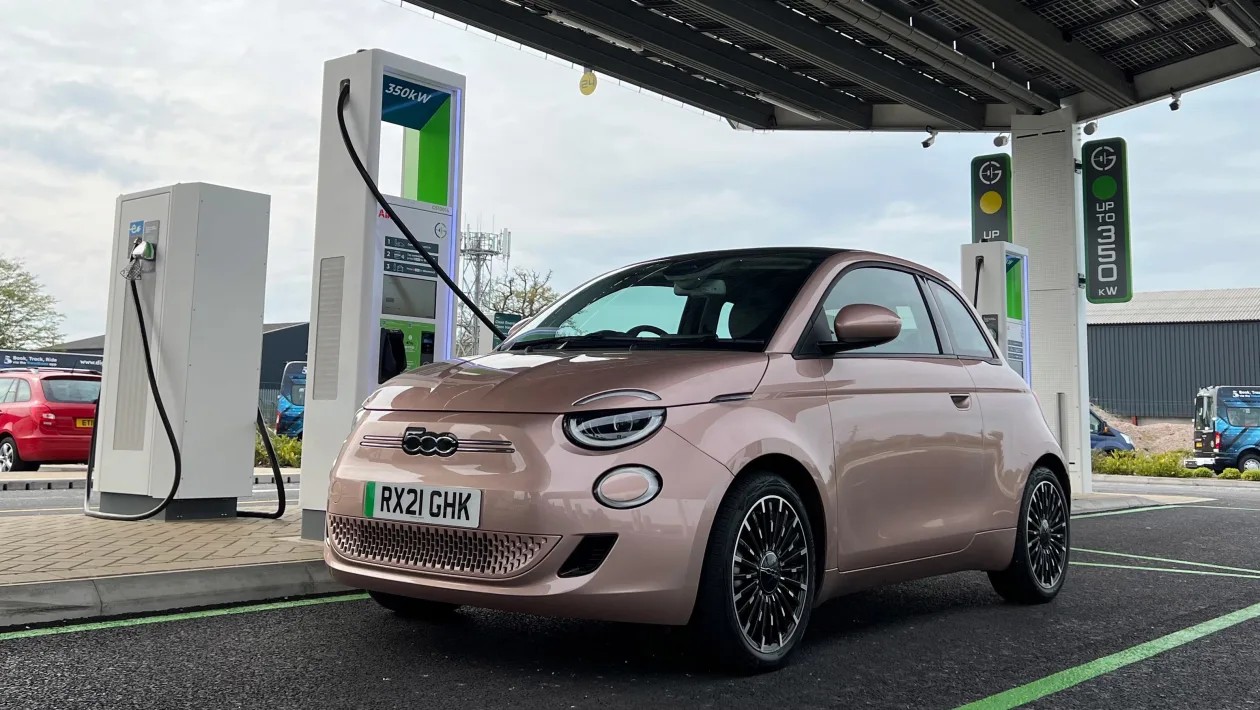
The United Kingdom’s electric vehicle (EV) charging landscape is undergoing a significant structural shift. Despite a cooling market for EV sales, the infrastructure supporting them is accelerating. New data from ZapMap reveals that the number of rapid charging hubs —specialized locations featuring eight or more high-speed chargers—has surpassed the 1,000 mark.
The Shift Toward High-Speed Charging
The growth in high-capacity charging is not just steady; it is evolving in quality. While the total public charging network has reached 119,080 sockets, the composition of these chargers is changing to meet driver demands.
- Hub Growth: Rapid charging hubs increased by 5% in the first quarter of 2026 alone. When including Tesla-only sites, the total number of hubs stands at 1,037.
- The Rise of Ultra-Rapid Tech: A critical trend is the transition from “rapid” to “ultra-rapid” technology. While standard rapid units (100kW) are actually seeing a slight decline as they are phased out, ultra-rapid units (over 150kW) have surged by 39% year-on-year.
- Current Totals: There are now 27,372 rapid and ultra-rapid chargers in the UK, with nearly half of those being the high-output ultra-rapid variety.
This shift is vital for consumer confidence. As Melanie Shufflebotham, co-founder of ZapMap, noted, these high-capacity hubs are exactly what drivers report needing most to alleviate “range anxiety” and make long-distance travel more viable.
A Growing Gap: Infrastructure vs. Policy Targets
While the infrastructure is expanding, it faces a difficult climb to meet national objectives. The UK government has set a target of 300,000 public sockets by 2030. Currently, the network sits at approximately 40% of that goal, meaning the pace of installation must significantly increase to close the gap.
This infrastructure race is happening against a backdrop of sluggish vehicle adoption. Although March 2026 saw a record 86,000 EV registrations in a single month, electric cars still account for only about 20% of the total market. This falls short of the 33% market share required by the government’s Zero Emission Vehicle (ZEV) Mandate.
The Economic and Regulatory Challenge
The disconnect between infrastructure growth and vehicle sales raises serious questions about the UK’s transition to net zero.
“The EV market is falling further away from mandated levels despite record levels of incentives,” warns Mike Hawes, chief executive of the SMMT. He suggests that an urgent review of the transition is necessary to ensure economic growth and meet climate goals.
The current situation presents a paradox: the “hardware” (the chargers) is becoming more sophisticated and capable, but the “software” (the market demand and policy alignment) is struggling to keep pace.
Conclusion
While the UK is successfully building a more powerful and efficient high-speed charging network, the slow adoption of electric vehicles threatens to leave this infrastructure underutilized and puts the government’s 2030 net-zero targets at risk.