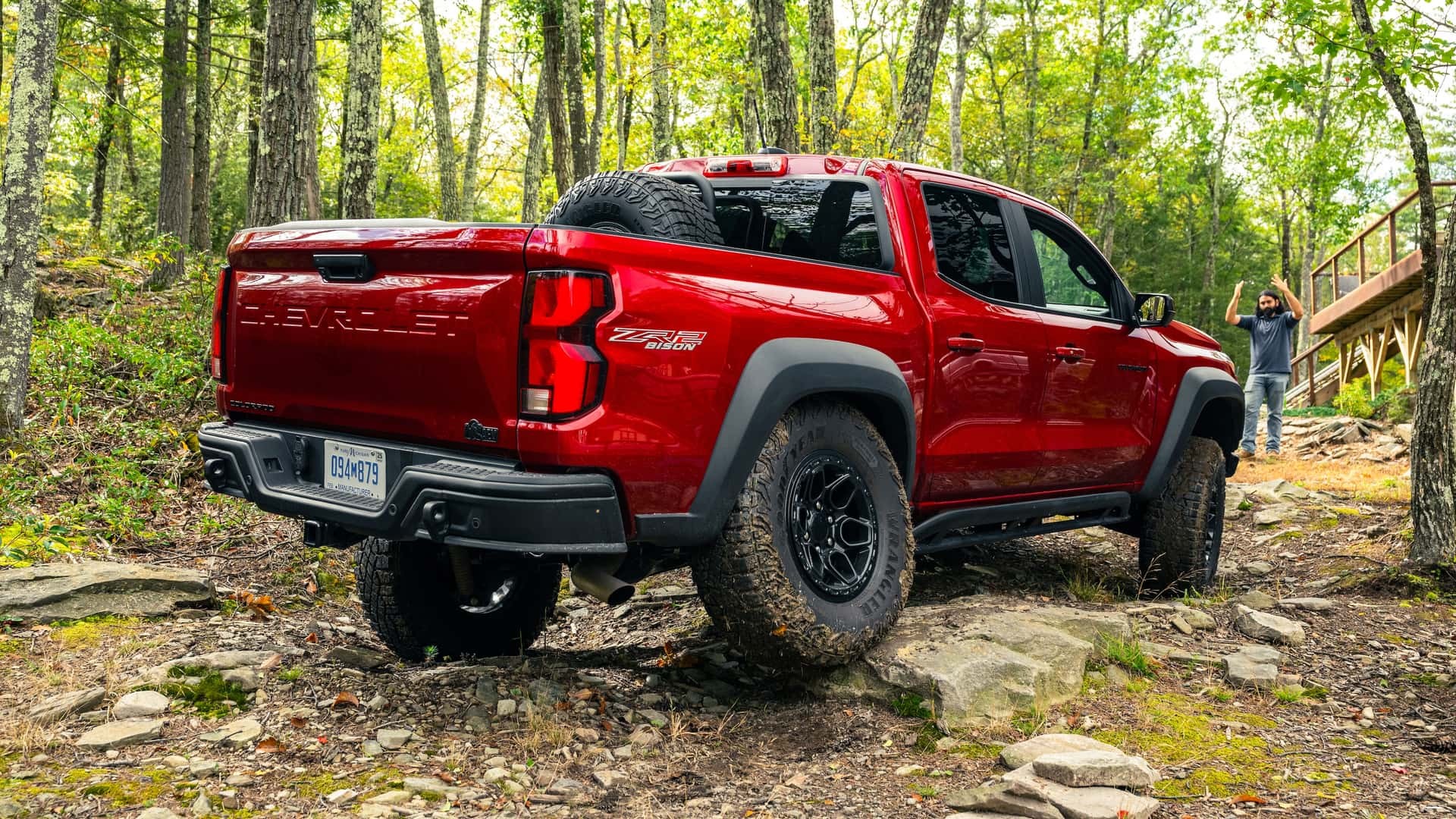
Hyundai and General Motors (GM) are joining forces to develop a new mid-size pickup truck specifically tailored for the Central and South American markets. The vehicle will be built on the existing Chevrolet Colorado platform, marking a key step in the two companies’ broader collaboration to produce over 800,000 vehicles annually. While the truck won’t be sold in the US, it highlights a growing trend of automakers adapting to regional preferences and leveraging existing platforms for efficiency.
Leveraging the GMT 31XX Platform
The upcoming pickup will utilize GM’s GMT 31XX platform, first introduced with the 2022 Chevrolet Colorado in the US. This is notable because the current Chevy S10, still sold in countries like Brazil, has not been updated to this chassis, retaining an older version. The decision to use the GMT 31XX platform simplifies development and manufacturing while offering a modern foundation for the new truck.
Tailoring for Regional Demand
Key modifications will be made to the platform to meet the specific needs of Central and South American buyers. These include an upgraded rear axle to increase load capacity—critical for work and agricultural applications in the region—and adjustments to accommodate diesel engines and single-cab configurations, both popular choices among consumers there. The truck will be produced at GM’s São José dos Campos plant in Brazil, ensuring localized manufacturing and cost efficiency.
Two Trucks from One Platform
The collaboration will result in two distinct models: an updated Chevrolet S10 and Hyundai’s first-ever mid-size pickup. Both vehicles are slated for release around 2028. While neither is planned for the US market, Hyundai has hinted at a future body-on-frame pickup that could eventually be sold in North America, alongside a new rugged SUV.
This strategic partnership underscores the growing importance of emerging markets for the automotive industry. Automakers are increasingly focused on tailoring vehicles to regional preferences rather than pushing global models, which can be more expensive and less competitive.
The decision to focus on Latin America reflects the high demand for mid-size trucks in that region, making this collaboration a logical step for both GM and Hyundai. By leveraging an existing, capable platform, the companies can bring a competitive product to market efficiently while capitalizing on local consumer preferences.