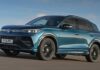
Honda has unexpectedly reintroduced the Insight, but this time as a fully electric crossover with over 311 miles of range. The shift marks a dramatic departure from the Insight’s previous hybrid iterations, and raises questions about the company’s manufacturing strategy. The new model features a bold design, bidirectional charging, and even a “Sport” mode, but appears heavily based on an existing Chinese EV.
Design and Styling: Echoes of China
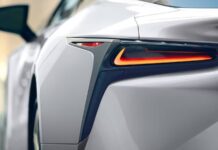
The reborn Insight sports edgy styling with boomerang-shaped lights and light bars, aligning with current automotive trends. However, striking similarities to the Dongfeng Honda e:NS2—an EV sold in China since 2024—are undeniable. Interior layouts and dashboard designs are nearly identical, suggesting a shared platform or direct adaptation.
The decision to rebadge an existing Chinese model rather than develop a new one is a cost-effective move, but may raise questions about brand identity. This approach is common among automakers seeking to quickly enter new segments without extensive R&D investments.
Performance and Features: Electric Power with a Twist
Honda claims the Insight delivers over 311 miles of range (under the WLTC cycle) with 229 lb-ft of torque, matching the e:NS2’s specifications exactly. A “Sport” mode promises quicker acceleration and augmented sound effects, catering to drivers who miss the auditory feedback of combustion engines.
The vehicle is packed with features, including a 12.8-inch touchscreen, a 9.4-inch digital instrument cluster, electrically adjustable seats, ambient lighting, and even a perfume dispenser. These touches suggest the Insight is targeted at tech-savvy buyers who prioritize comfort and convenience.
Production and Market Strategy: Exporting from China?
The Insight will launch in Japan this spring, with reservations opening on March 19. The fact that Honda remains silent about production location is noteworthy, with speculation pointing towards China. The company’s declining sales in the world’s largest EV market could be a driver for exporting vehicles to other regions, including Japan.
The Insight’s revival as an electric crossover underscores the shifting dynamics of the automotive industry, where cost efficiency and rapid market entry often outweigh brand exclusivity.
The decision to leverage existing Chinese platforms is a pragmatic move, but it also highlights the growing influence of the Chinese automotive sector on global markets. Whether this strategy will resonate with Japanese consumers remains to be seen.