Some motorcycles chase fleeting trends, while others build legends. The Harley-Davidson Fat Boy is firmly in the latter category. It’s a machine that doesn’t just turn heads; it commands attention, and has done so consistently for over three decades. In an era of increasingly disposable designs, the Fat Boy stands out as a rare example of a motorcycle that only gets better with age.
Why Timeless Design Matters
Modern motorcycle design often prioritizes aerodynamic efficiency or chasing the latest style fads. This results in bikes that look dated within a few years. The Fat Boy, however, has always been about presence and attitude, not just speed or cutting-edge aesthetics. Its enduring appeal isn’t about being new ; it’s about being right. This matters because motorcycles, unlike cars, often become extensions of identity. People don’t just buy them for transport; they buy them for the feeling they evoke.
The Fat Boy’s Legacy: From Hollywood to the Highway
The Fat Boy debuted in 1990, instantly establishing itself as a bold cruiser with a muscular stance and signature Lakester wheels. It wasn’t just a motorcycle; it was a statement. That statement was amplified when Arnold Schwarzenegger rode one in Terminator 2: Judgment Day, cementing its place in pop culture history. The film showcased the bike’s raw power and imposing presence, making it instantly recognizable even to non-riders.
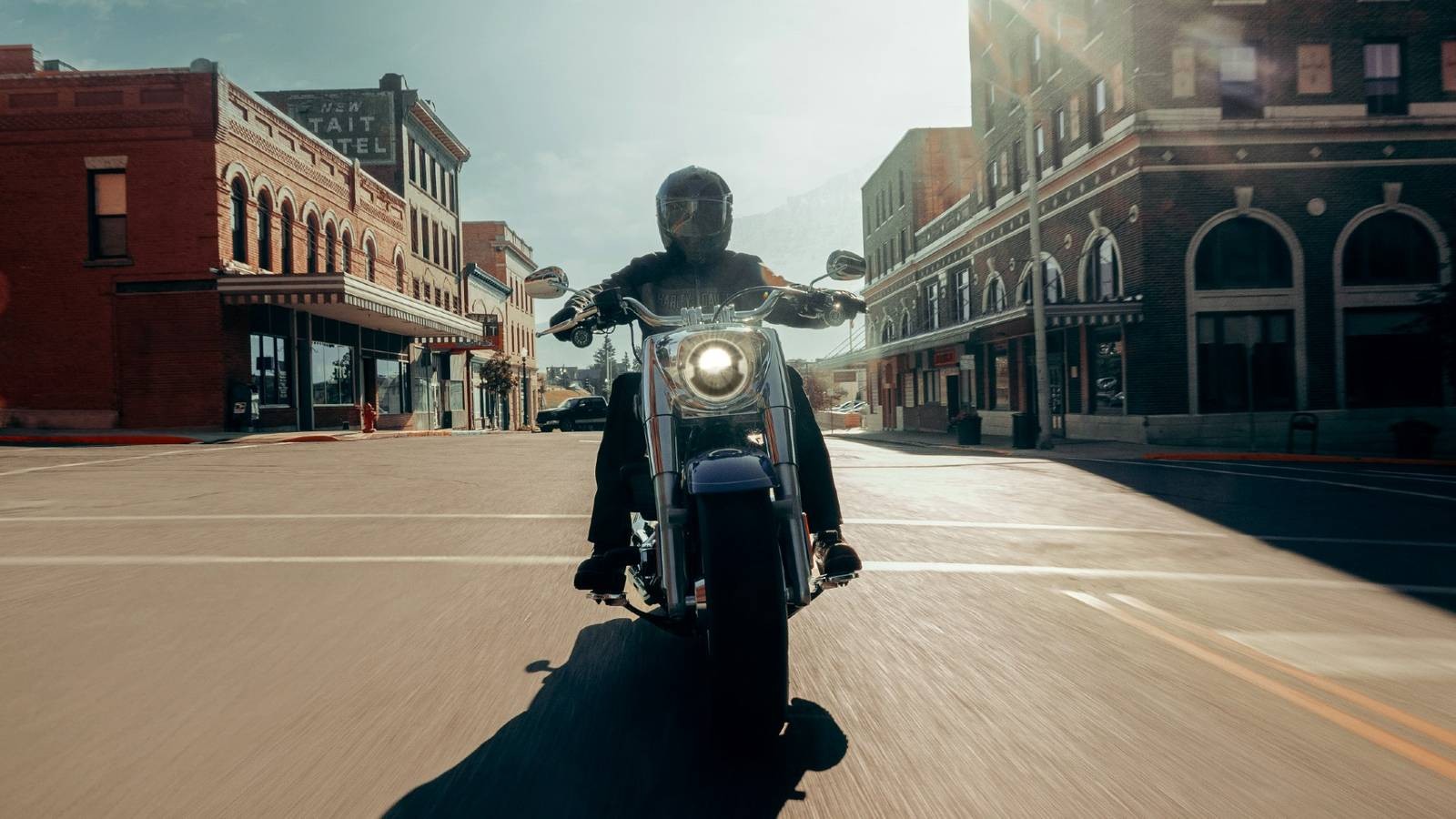
Today’s Fat Boy builds on that foundation, retaining the classic silhouette while incorporating modern refinements. Its chrome-highlighted V-twin engine, sculpted nacelle with a 7-inch LED headlight, and wide handlebars create a road presence that is impossible to ignore. Some even claim its Lakester wheels, with their solid cast aluminum construction, were inspired by the B-29 Superfortress bomber, though Harley-Davidson has never confirmed this. Regardless, they contribute to the bike’s brutish, unforgettable look.
Power and Comfort: A Modern Take on a Classic Formula
The 2026 Fat Boy starts at $22,599 and delivers a potent combination of style and substance. At its heart is the Milwaukee-Eight 117 V-twin engine, producing 103 horsepower and 126 pound-feet of torque. This isn’t just about numbers; it’s about the way that power is delivered: a low-end punch that makes the Fat Boy feel surprisingly quick for its size.
Underneath the bold aesthetics lies a modern Softail frame, designed to mimic the look of a rigid-frame Harley while offering hidden suspension for a smoother ride. Showa dual-bending valve forks and a hidden monoshock work together to absorb bumps, making it comfortable for long highway cruises. It also comes standard with modern safety features like cornering ABS, traction control, and a USB charging port.
The Grey Ghost: A Limited-Edition Statement
Harley-Davidson occasionally releases limited-edition Fat Boys to celebrate the bike’s legacy. Last year, the Grey Ghost, part of the Icons Collection, arrived in an exclusive Reflection color scheme with yellow accents. These special editions prove that even a motorcycle dripping in chrome can look truly exceptional when executed with precision.
The Verdict: A Motorcycle That Stands the Test of Time
The Harley-Davidson Fat Boy isn’t just a motorcycle; it’s an icon. It’s a machine that refuses to fade into obsolescence, instead aging with a rugged grace that few other bikes can match. Whether you’re drawn to its history, its imposing presence, or its modern performance, the Fat Boy remains a compelling choice for riders who value timeless style over fleeting trends. The Fat Boy is more than just a ride; it’s a statement.