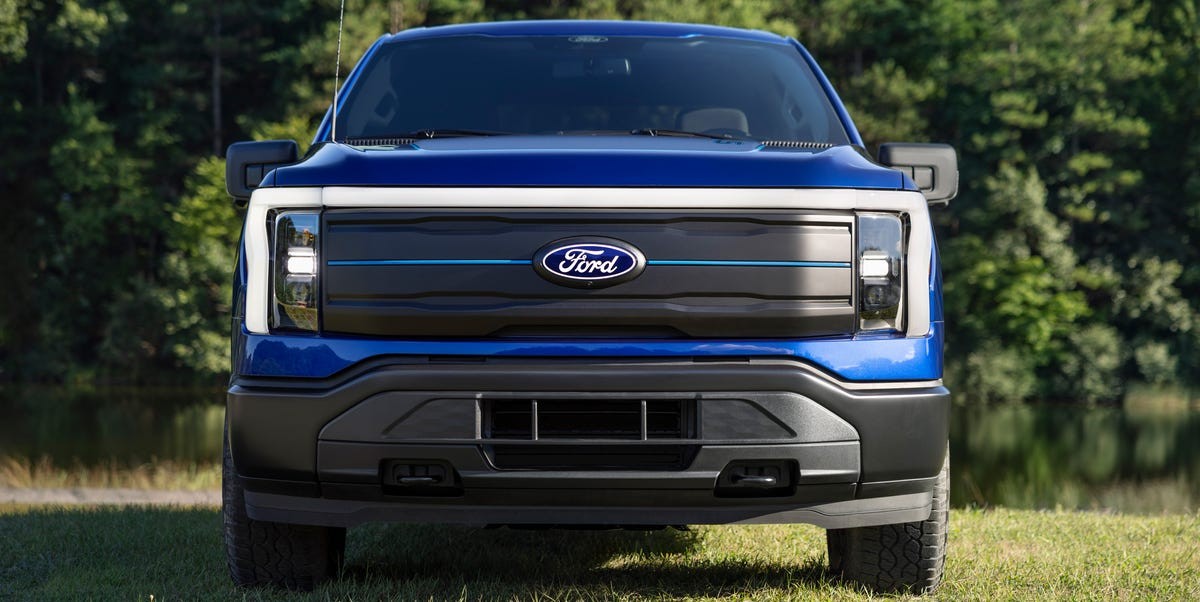
Ford has announced a significant shift in its electric vehicle strategy, reversing its earlier plans for the F-150 Lightning. The current all-electric version of the popular pickup truck ceased production this month, and its next iteration will be a plug-in hybrid with a gasoline range extender. This move signals a broader recalibration within Ford, prioritizing affordability and hybrid options for larger vehicles.
Demand Challenges Prompt Rethink
The original F-150 Lightning, launched in 2022, aimed to electrify America’s best-selling vehicle. However, sales of electric trucks haven’t met expectations, prompting Ford to adapt. Instead of pushing solely for full electrification in this segment, the company is opting for a hybrid solution that combines the benefits of both technologies.
700+ Mile Range with Hybrid Powertrain
The new F-150 Lightning will utilize electric motors to drive the wheels, while a gasoline engine will act as an on-board generator to extend the battery’s range. Ford claims the combined range will exceed 700 miles. The company anticipates that most owners will be able to operate on electric power nine days out of ten, and the hybrid setup will make towing over long distances more feasible.
Maintaining EV Benefits
Despite the inclusion of a gasoline engine, the next-generation Lightning will retain key EV features such as quick acceleration and quiet operation. It will also continue to offer the ability to power external devices and provide backup electricity to homes during outages.
Production Shift and Timeline
Ford has not yet revealed specific details about the engine used in the range extender, nor a firm launch date for the new model. Current Lightning workers will be reassigned to support increased production of gas and hybrid F-150s at the Dearborn Truck Plant. The transition will result in a gap between the end of the current EV Lightning’s production and the arrival of the plug-in hybrid version.
Ford’s decision reflects the realities of the current EV market, where demand for electric trucks is not yet sufficient to sustain an all-electric lineup in this segment. The company is adapting to consumer preferences by offering a hybrid solution that balances range anxiety with the convenience of gasoline refueling.