The automotive landscape is changing rapidly. As automakers accelerate development of electric vehicles (EVs), many internal combustion engines (ICEs) will soon be phased out, possibly within the next two decades. While EV adoption has slowed recently, especially in the U.S., the long-term trend toward electrification is clear. This transition means that certain engines, known for their reliability and performance, will become relics of the past. This article looks at ten engines likely to be missed as they disappear from the market.
These engines are ranked based on JD Power quality and reliability scores, highlighting those that have proven most durable and trustworthy over time. The ability to produce raw power is one thing; the ability to stand the test of time is another.
Mazda Skyactiv-G 2.5-Liter Four-Cylinder (Reliability Score: 71/100)
Mazda’s Skyactiv-G 2.5-liter engine stands out due to its deliberate design against industry trends. Instead of downsizing and turbocharging, Mazda opted for a larger, naturally aspirated block, dubbed “rightsizing,” that operates with lower stress. The engine uses a forged steel crankshaft and a simple six-speed transmission for maximum durability.
Introduced in 2013 as a replacement for older Ford-derived engines, it pushed the limits of natural aspiration with a high 13:1 compression ratio and direct injection. Over time, the engine gained cylinder deactivation (in 2018) and was upgraded with forged internals for its Turbo variant. It’s found in vehicles like the Mazda CX-5, Mazda3, and CX-50, where its smooth power delivery is a hallmark of Mazda’s driving experience.
Toyota 2ZR-FXE 1.8-Liter Four-Cylinder (Reliability Score: 73/100)
Toyota’s 2ZR-FXE is a high-mileage champion, primarily used in the Prius and Corolla Hybrid. Its reliability comes from its Atkinson cycle design, which prioritizes thermal efficiency and reduces mechanical stress. As part of a hybrid system, the electric motor handles the brunt of stop-and-go driving, further extending engine life.
Introduced in 2009 as an upgrade to the earlier 1NZ-FXE, it uses an all-aluminum block with cast-iron liners. The engine’s focus on efficiency allows it to achieve up to 40% thermal efficiency in newer iterations. It powers the Toyota Prius, Corolla Hybrid, Corolla Cross Hybrid, and Lexus CT 200h, making it one of the most widely produced hybrid engines ever.
Stellantis Pentastar 3.6-Liter V-6 (Reliability Score: 77/100)
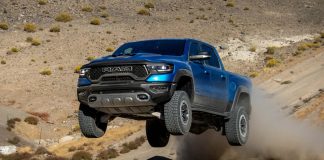
The Stellantis Pentastar 3.6-liter V-6 is a modern classic due to its widespread use and refined architecture. Over 10 million units have been produced, with iterative updates improving its durability for use in everything from Ram trucks to Chargers and Challengers.
Introduced in 2011, the engine replaced seven aging V-6 configurations with a single, more advanced powertrain. The Phase Two design (2016) added variable valve lift and cooled exhaust gas recirculation for improved efficiency. It remains the base engine in vehicles like the Jeep Wrangler, Jeep Gladiator, Ram 1500 eTorque, and Chrysler Pacifica.
GM Small Block 5.3 And 6.2-Liter V-8 (Reliability Score: 78/100)
The GM Small Block V-8s (5.3L and 6.2L) are legendary for their LS-based pushrod architecture, resulting in a compact, high-torque design with fewer moving parts than overhead-cam competitors. Decades of refinement have made them exceptionally durable under heavy loads. The 6.2L produces 420 horsepower and 460 lb-ft of torque, while the 5.3L provides 355 hp and 383 lb-ft.
The latest iterations debuted in 2014 as the Gen V LT architecture, evolving from the original 1955 small block while adding direct injection and variable valve timing. The L83 and L84 serve as workhorses for Silverado and Tahoe, while the L86 and L87 are found in performance vehicles like the Corvette, Cadillac Escalade, and GMC Sierra Denali.
Toyota 2GR-FKS 3.5-Liter V-6 (Reliability Score: 80/100)
Toyota’s 2GR-FKS 3.5-liter V-6 is renowned for its bulletproof reliability, thanks to its D-4S dual-injection system. This system keeps intake valves clean of carbon buildup, a common failure point in modern engines. A robust timing chain and naturally aspirated design further enhance its durability.
Introduced in 2015, the FKS variant refined the GR engine family with VVT-iW, allowing the engine to switch between power-focused and fuel-efficient modes. It powers vehicles like the Toyota Tacoma, Highlander, Lexus IS 350, and Lexus RX 350. Toyota is phasing it out in favor of turbocharged fours, but it remains one of the last great naturally aspirated V-6 engines.
Toyota A25A-FXS 2.5-Liter Four-Cylinder (Reliability Score: 80/100)
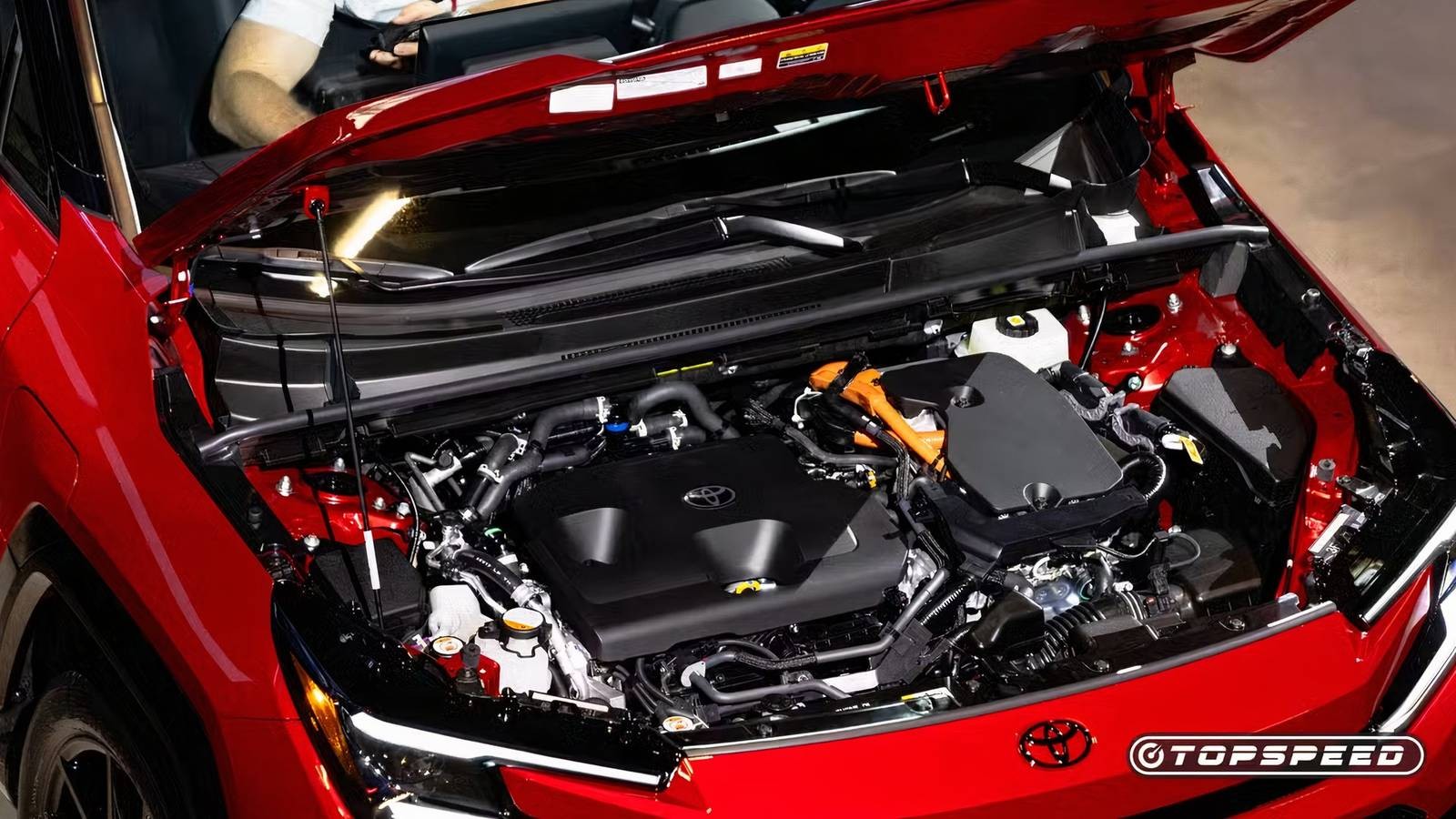
The Toyota A25A-FXS 2.5-liter four-cylinder is a centerpiece of the Dynamic Force lineup, known for its ultra-efficient Atkinson-cycle design, achieving 41% thermal efficiency. It utilizes direct injection to prevent carbon buildup and an electric water pump for faster warm-up. It is found in the Toyota Camry, RAV4, and Lexus ES 300h.
Debuting in 2017, it replaced hundreds of older engine variants with a single high-efficiency design. The engine evolved with direct injection, making it a staple in hybrid vehicles for its balance of power and efficiency.
BMW B58 3.0-Liter Straight-Six (Reliability Score: 81/100)
The BMW B58 3.0-liter straight-six is regarded as one of the best engines ever made, thanks to its closed-deck block design and forged internals. This provides incredible structural rigidity and heat management. The engine has undergone two major technical updates, including a one-piece timing chain and a dual-injection system to eliminate carbon buildup.
It powers vehicles like the BMW M340i, X5 xDrive40i, Toyota GR Supra, Ineos Grenadier, and Morgan Plus Six.
Subaru FB25 2.5-Liter Flat-Four (Reliability Score: 81/100)
Subaru’s FB25 2.5-liter boxer engine is highly reliable due to its balanced flat piston design, lowering the vehicle’s center of gravity and reducing vibrations. Modern versions (post-2019) replaced rubber timing belts with durable chains and added direct injection for better efficiency.
Introduced in 2010, it replaced the aging EJ-series with a focus on efficiency. The 2019 FB25D update added direct injection and higher compression. It remains a staple in vehicles like the Subaru Forester, Outback, Legacy, and Crosstrek, providing balanced performance in all-weather conditions.
Honda LFA/B 2.0-Liter Four-Cylinder (Reliability Score: 84/100)
Honda’s LFA and LFB 2.0-liter hybrid engine utilizes a simplified engineering approach with a two-motor system that eliminates the need for a traditional transmission. Its reliability comes from its Atkinson-cycle design, acting primarily as an efficient generator rather than a cranking engine. By removing components like alternators, starter motors, and serpentine belts, Honda has eliminated common failure points.
Introduced in 2014, it revolutionized Honda’s hybrid systems with its Intelligent Multi-Mode Drive. It powers vehicles like the Honda Accord Hybrid and CR-V TrailSport, delivering smooth and efficient performance.
Conclusion
The shift to electric vehicles will inevitably lead to the disappearance of many iconic engines. While EVs offer efficiency and environmental benefits, the durability and character of these ICEs will be missed by enthusiasts and drivers alike. These engines represent decades of engineering refinement, and their absence will mark a significant change in the automotive landscape.