


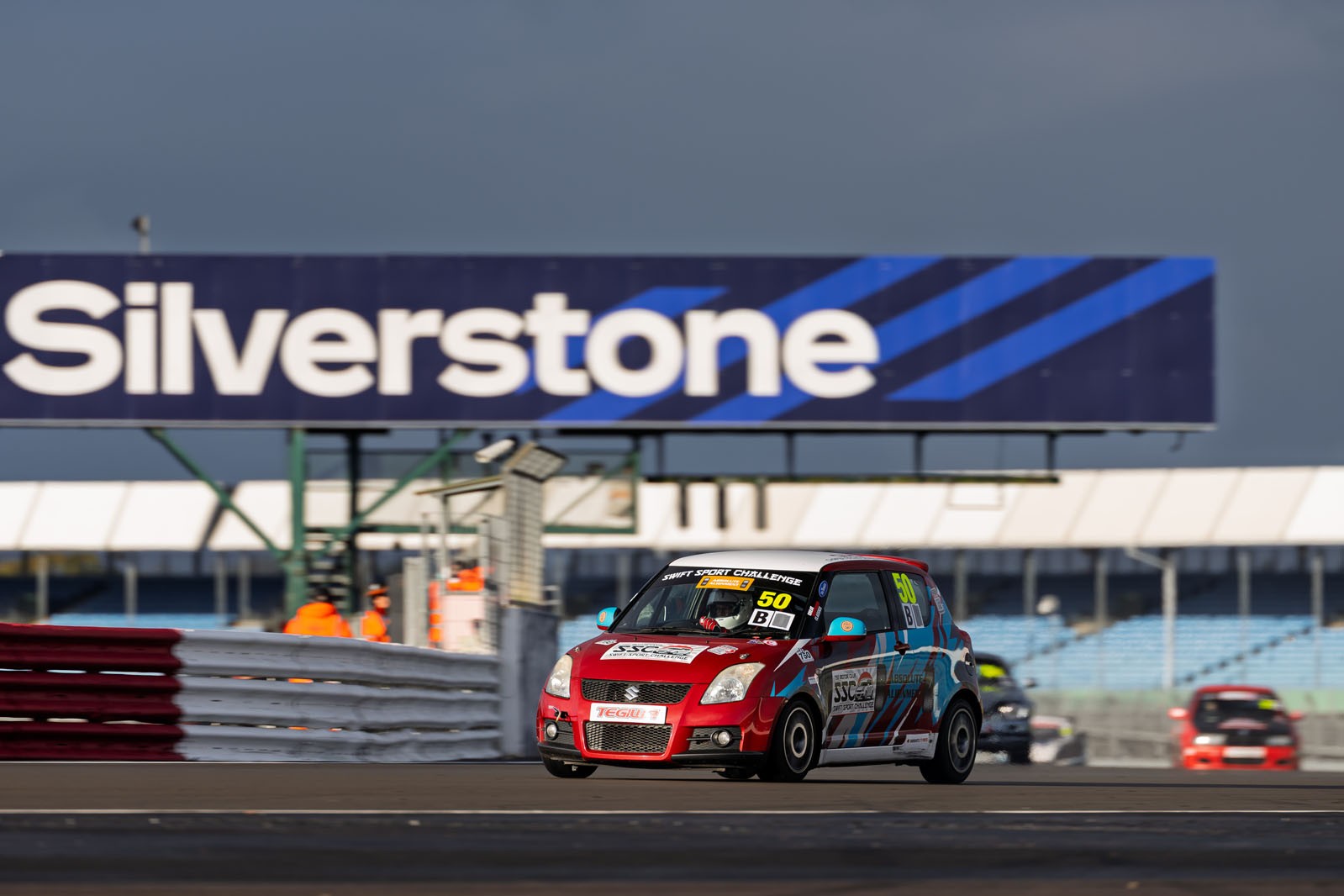
The United Kingdom’s Birkett Six-Hour Relay is a motorsport event that defies simple explanation. Held annually since 1951 by the 750 Motor Club, it’s a season-ending race that’s both beloved and bewildering to participants. The event’s creator, Holland Birkett, designed it to be a low-cost, accessible racing experience, and it remains a cornerstone of affordable club motorsport to this day.
What Makes the Birkett Unique?
The race’s name is literal: teams of three to six drivers compete in a six-hour relay. Cars pit to hand off to the next driver, but the finish isn’t determined by raw lap count. Instead, the Birkett is a handicap race. Organizers adjust each team’s performance based on the pace of all their vehicles.
This means a team with multiple cars, even if some are slower, can still win against faster single-car entries. The calculations are complex, often resulting in lengthy delays as officials sort out the final standings long after the race clock stops. The system is designed to level the playing field, but the result is a chaotic, unpredictable finish that few fully grasp.
Why Does This Matter?
The Birkett’s unusual format highlights a tension within motorsport: the balance between raw speed and calculated fairness. While many races focus on absolute performance, the Birkett emphasizes adaptability and team strategy. It’s a reminder that even in competitive sports, the rules can be just as important as the driving.
The event’s enduring appeal lies in its simplicity and absurdity. As one participant put it, “Everybody enjoys it, but nobody understands it.” The Birkett isn’t about glory or dominance; it’s about spending six hours in a garage with friends, tinkering with cars, and waiting for a result that may never be fully clear.
In a world of hyper-optimized racing, the Birkett stands out as a refreshing anomaly. It’s a celebration of amateur motorsport, where the goal isn’t necessarily to win, but to have a good time in spite of the madness.


