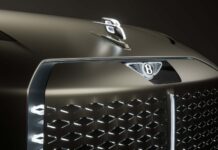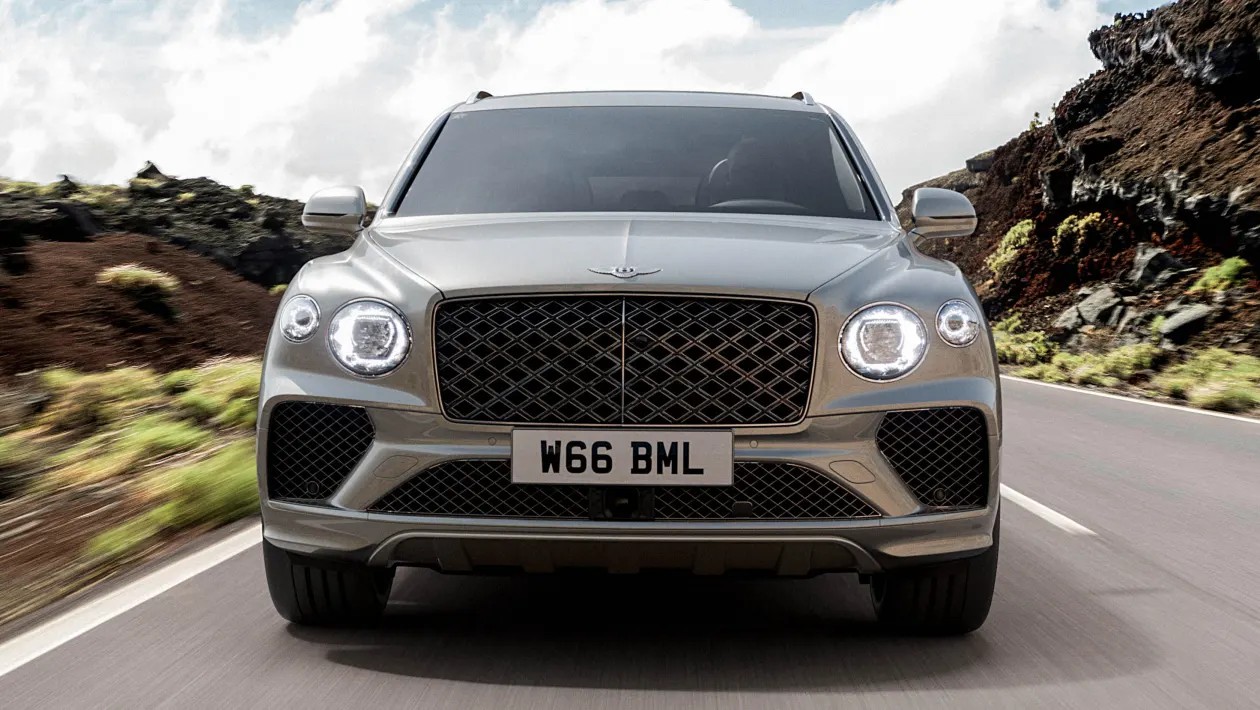
Bentley will continue offering the Bentayga SUV with both hybrid and internal combustion engine (ICE) options through at least 2028, alongside its upcoming all-electric SUV launch next year. This decision reflects the brand’s adaptation to varying global regulations and consumer preferences, particularly in key markets like the US, China, and Europe.
The Evolving Bentayga Strategy
For over eleven years, the Bentayga has been a cornerstone of Bentley’s sales, maintaining strong demand for petrol and hybrid powertrains. Rather than fully committing to electrification, the company will introduce a next-generation Bentayga as a plug-in hybrid, while retaining ICE options in select regions.
According to Bentley CEO Frank Walliser, legislative differences are driving this approach: “We will also be in very selective markets for ICE-only offers depending on markets, because we see a big diversion of the legislation. The US now looks completely different to China and Europe, Europe being very restrictive.” This means that while Europe will likely see stricter emissions standards, the US and Middle Eastern markets may continue to support high-performance ICE models.
Shared Architecture for Efficiency
The new Bentayga will leverage Volkswagen Group’s upgraded PPC platform, also used in the upcoming Audi Q7 and Q9, as well as potentially a new Porsche Cayenne. This shared architecture will reduce development costs while allowing for powertrain flexibility.
Entry-level models are expected to feature a new V6 plug-in hybrid, while higher-performance versions will vary based on local regulations. A V8 flagship, similar to the current Bentayga Speed, is unlikely to be sold in Europe but may remain available in the US and Middle East due to less stringent rules and strong customer demand.
Hybrid Flagship for Europe
To cater to the European market, Bentley plans a high-performance plug-in hybrid with a V8 engine at its core. This may involve utilizing Porsche’s plug-in hybrid powertrains to meet European emissions standards while still delivering luxury performance.
The Cancellation of a Bespoke EV Platform
Despite earlier plans for a dedicated SSP-Sports platform, Bentley and Porsche will not pursue a custom chassis for their high-end EVs. The lack of sufficient demand for these models made the investment unsustainable. However, Bentley remains profitable enough to invest in “self-funded” engineering enhancements. Walliser suggests that future generations could benefit from new engines, gearboxes, electric motors, and batteries to further improve hybrid performance.
In conclusion, Bentley is strategically balancing its transition to electric vehicles with continued ICE and hybrid offerings to accommodate diverse market conditions and customer preferences. This pragmatic approach ensures the brand remains competitive in a rapidly evolving automotive landscape.