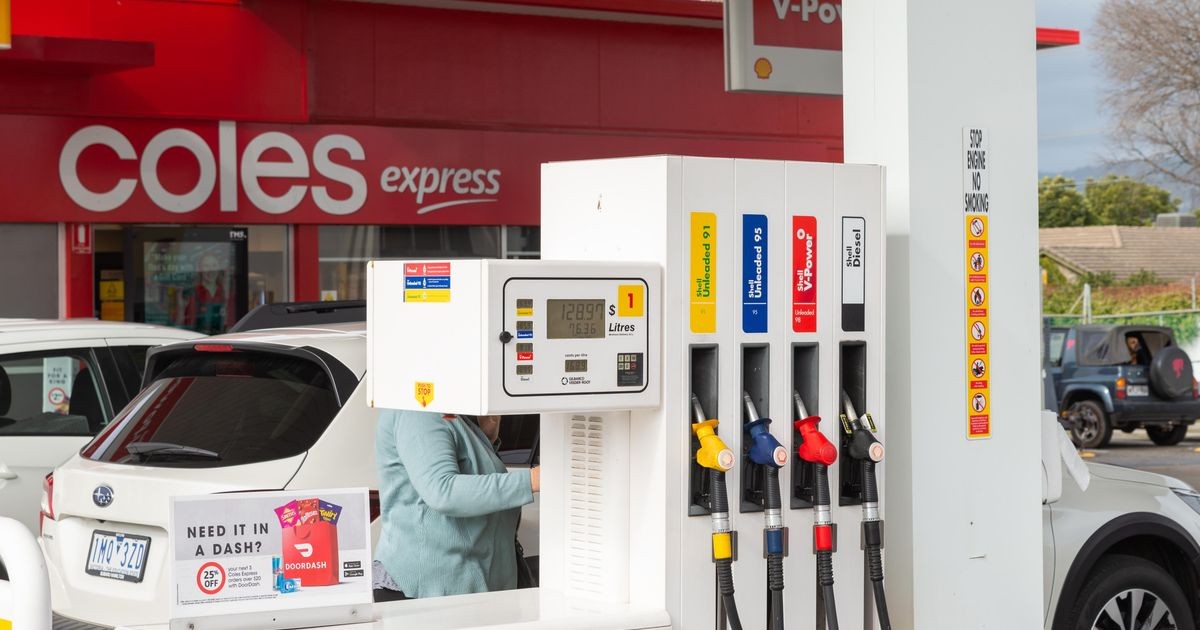
South Australia’s top police officer is urging fuel retailers to take responsibility for rising petrol drive-offs, as thefts surge alongside record-high fuel prices. Commissioner Grant Stevens has stated that police will not prioritize investigating these “completely preventable” crimes, effectively shifting the burden of prevention onto service station owners.
Surge in Fuel Thefts Driven by Economic Pressure
The move comes as drive-offs in South Australia have jumped 36% in a single week, from 162 to 221 incidents. Commissioner Stevens attributes this spike to the escalating cost of living and fuel prices, predicting further increases in thefts as financial pressures mount. He advocates for the widespread adoption of pre-paid pumps – a system common in the US where customers pay before fueling, limiting potential losses.
“If the industry won’t act, then I will be making decisions that will see the prioritisation of police resources to where they need to be spent and not being wasted on investigating or processing reports of crime that do not need to occur.” – Commissioner Grant Stevens
The Commissioner’s stance reflects a broader debate about resource allocation: police time is valuable, and investigating easily avoidable thefts pulls focus from more serious crimes. This policy echoes a simple principle: if a crime can be prevented through reasonable measures, the responsibility for prevention should rest with those who can implement them.
Retailer Resistance and Concerns Over Encouraging Theft
The Motor Trade Association has voiced concerns that the Commissioner’s comments could inadvertently encourage fuel thieves, creating the perception that these crimes will go unpunished. However, Stevens has argued this point for over a decade, noting that pre-paid pumps could eliminate these thefts overnight.
ACCC Investigates Fuel Retailers Amid Price Gouging Allegations
The situation is further complicated by scrutiny of fuel retailers’ pricing practices. The Australian Competition and Consumer Commission (ACCC) has launched an investigation into Ampol, BP, Mobil, and Viva Energy, alleging anti-competitive behavior and suspicious price increases.
This investigation follows reports of supply disruptions to independent wholesalers in rural areas, with the ACCC chair Gina Cass-Gottlieb stating the agency is “closely scrutinizing all fuel markets” during the crisis. The price hikes are not due to supply issues, but instead increased domestic demand and panic buying, exacerbated by geopolitical tensions.
The combination of rising theft, police inaction, and potential price gouging creates a volatile situation for consumers and retailers alike. This shift in law enforcement strategy highlights the growing pressure on businesses to address preventable crime directly, while regulatory bodies investigate deeper systemic issues.
Ultimately, the situation underscores the need for both proactive prevention measures and robust oversight of the fuel industry to ensure fair practices and protect consumers.