


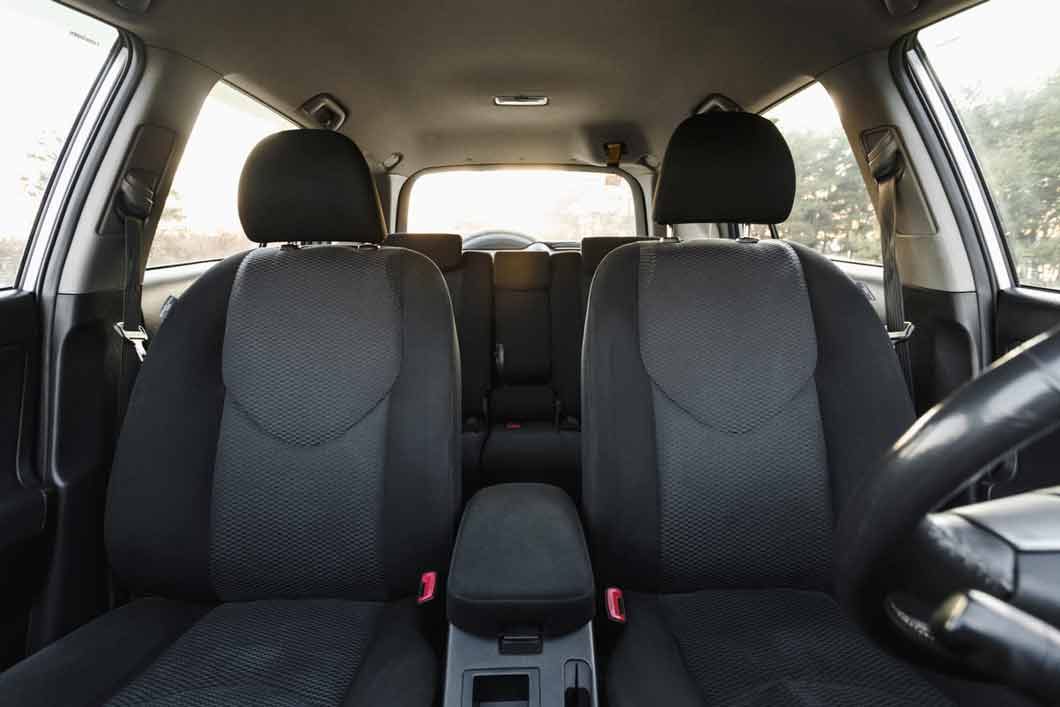
Most of us spend hours in our cars every day. We eat, drink, transport kids and pets, haul groceries, and generally treat our vehicles as mobile living rooms. It’s no surprise that the interior and seats get dirty over time. Fortunately, there are ways to remove most stains and give your car a much-needed clean. Drive in a car with spotless seats using these tips and advice on how best to clean car seats. With minimal effort, your car seats will regain their former glory!

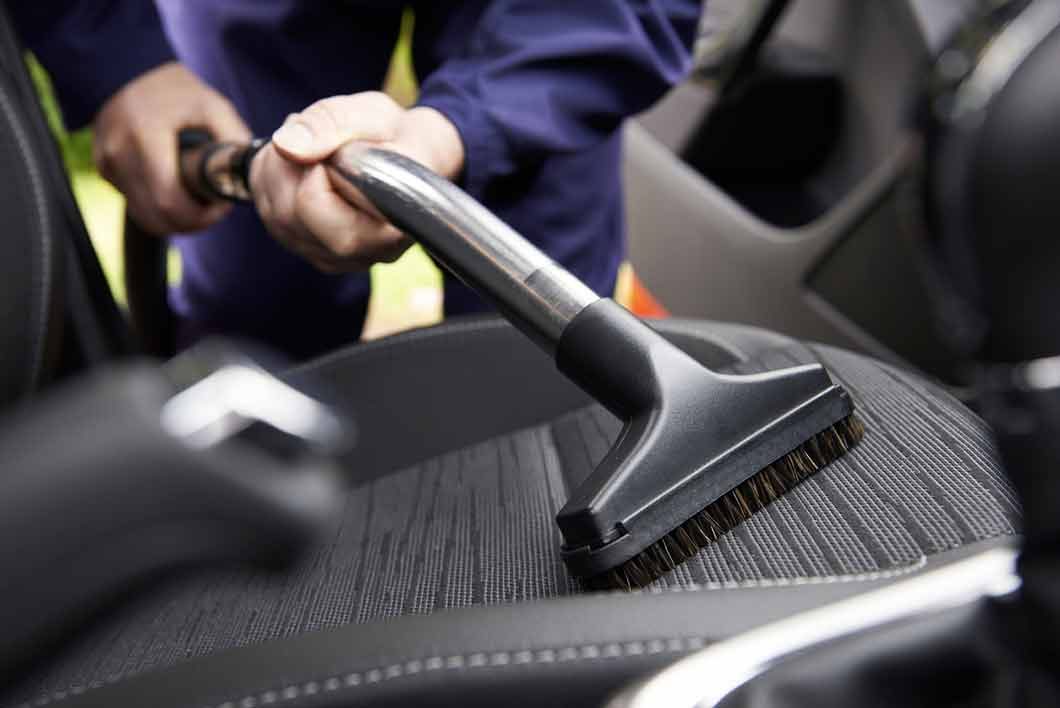

Vacuum the Dry Debris First
You wouldn’t buff a car with a dirty mitt. The same logic applies to your interior. If you skip the vacuum, you’re just grinding grit into the fabric, turning loose dirt into a permanent abrasive paste. Start with the brush attachment. Those bristles get into the weave, pulling out the dust, stale crumbs, and yes, the cat hair that’s been embedded there since last Tuesday.
For cloth seats, go deeper. Use an upholstery brush to lift the fibers. It sounds like extra work, but it exposes the dirt trapped at the base of the weave. Once the surface is clear, switch to the flat crevice tool. This is where the real accumulation happens. That narrow gap between the seat bottom and the backrest? It’s a black hole for trash. Clear it out. If you leave that debris, moisture from cleaning solutions will turn it into mud. You want dry dirt gone before any liquid touches the fabric.
Pretreat Stubborn Stains
Chocolate isn’t just a mess; it’s a time bomb. Grease, mud, coffee—these don’t lift with a simple wipe. They need a head start. Grab an upholstery cleaner. Not just any spray. One formulated for automotive or heavy-duty home fabrics works best.
Apply it directly to the stain. Don’t just mist it; saturate the center. Take a soft-bristled brush and work the cleaner into the stain. You’re agitating the fibers to break the bond between the dye and the fabric. Let it sit. Fifteen minutes minimum. This dwell time is non-negotiable. Rushing this step means you’re scrubbing surface-level grime while the stain sets deeper into the backing.
“Test every new chemical in a hidden spot first. One bad reaction and you’ve got a permanent patch of discoloration.”
Always do a spot test. Pick an area under the seat or behind a cushion. If the fabric fizzes, fades, or feels stiff after drying, the cleaner is too harsh. Try a different brand. Better safe than sorry.
The Full Wash Down
Now that the debris is gone and the stains have been chemically attacked, it’s time for the main event. The full cleaning process. This isn’t a rinse; it’s a restoration.
For cloth seats, you’re looking at a two-step agitation and extraction. You can use a stiff brush to scrub the entire surface, working in small sections. Or, if you own a carpet extractor or a wet vacuum, this is where it shines. The extractor pulls the loosened dirt and cleaning solution right out of the foam. If you’re hand-scrubbing, you need to be meticulous. Use a microfiber towel to blot and lift the residue. Don’t rub. Rubbing pushes the dirty water deeper into the padding.
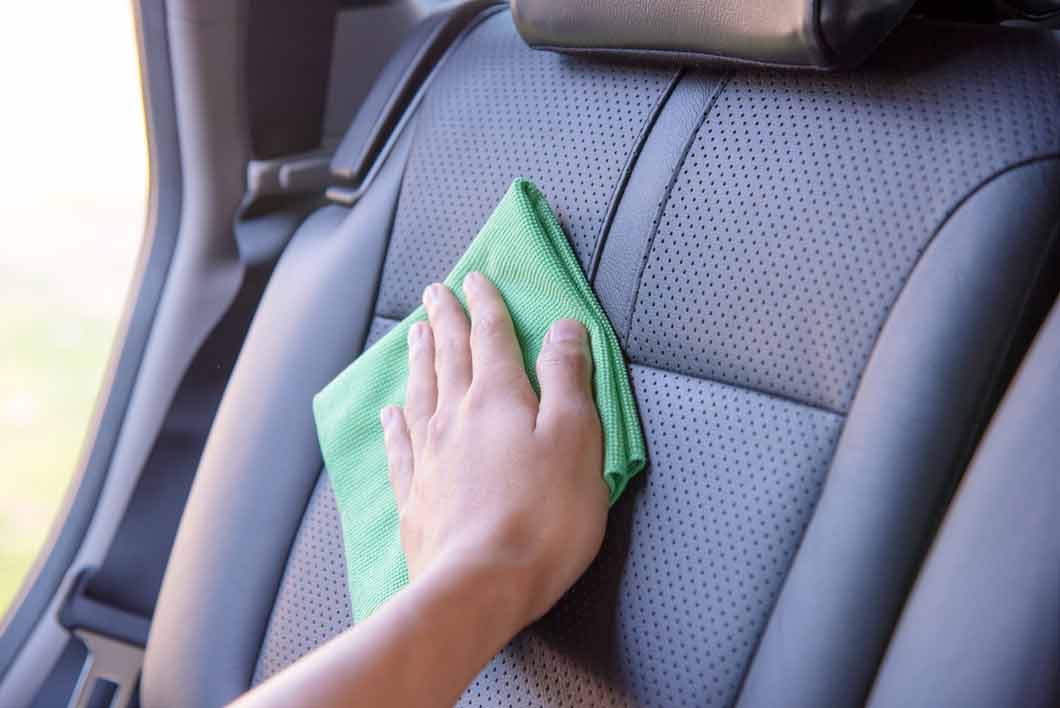
If you’re dealing with leather, the approach shifts slightly. You aren’t scrubbing fibers; you’re cleaning pores. Use a dedicated leather cleaner and a soft microfiber pad. Circular motions. Gentle pressure. Wipe away the residue immediately. Leather doesn’t like standing water. It needs to breathe.
The goal here isn’t just surface cleanliness. It’s removing the embedded grime that causes that “old car” smell. That odor comes from bacteria feeding
Choosing the Right Cleaning Agent
You aren’t locked into buying expensive branded upholstery shampoo. The shelf is full of options, but the best approach often depends on what you have in your kitchen. For deep cleaning, a mixture of warm water and dish soap works wonders. If you are dealing with odors or slight discoloration, baking soda and water can lift the grime. White vinegar mixed with water and a drop of soap is another classic combo for breaking down stains. Even a diluted laundry detergent solution can do the job in a pinch. Water alone, specifically carbonated water, has some surprising cleaning power for surface dirt.
The application method matters as much as the chemical. Use a spray bottle to control the moisture. You want to mist the seat lightly, not soak it. Start at the top and work your way down. Use a soft brush to agitate the fabric. This loosens the dirt without saturating the material.
Over-wetting is a common mistake. If the water seeps into the foam underneath, you invite mold. It also extends the drying time significantly. Keep the moisture on the surface.
Use an absorbent microfiber cloth to blot away the dirty water. The microfiber pulls the grime out of the weave. If spots remain, repeat the process. It is better to do multiple light passes than one heavy soak. You might also consider foam cleaners. These are excellent for fabric seats because they clean “dry.” They lift dirt without adding liquid to the foam core.
For leather, skip the soap. Use a dedicated leather milk cleanser followed by a conditioner. Pay close attention to the edges and folds. These are contact points for skin and hair, accumulating oils and dead cells faster than the rest of the seat.
Letting the Seats Dry
Patience is the next step. If you can, wait for the seats to dry completely before using the car. This usually takes two to three hours if you avoided saturation.
If you need the car back sooner, park in direct sunlight. Heat accelerates the evaporation process. You can also place a small moisture absorber in the cabin to pull humidity from the air and the fabric.
Finishing with a Hydrophobic Protector
Once dry, apply a water-repellent protector. This creates a barrier against future spills.
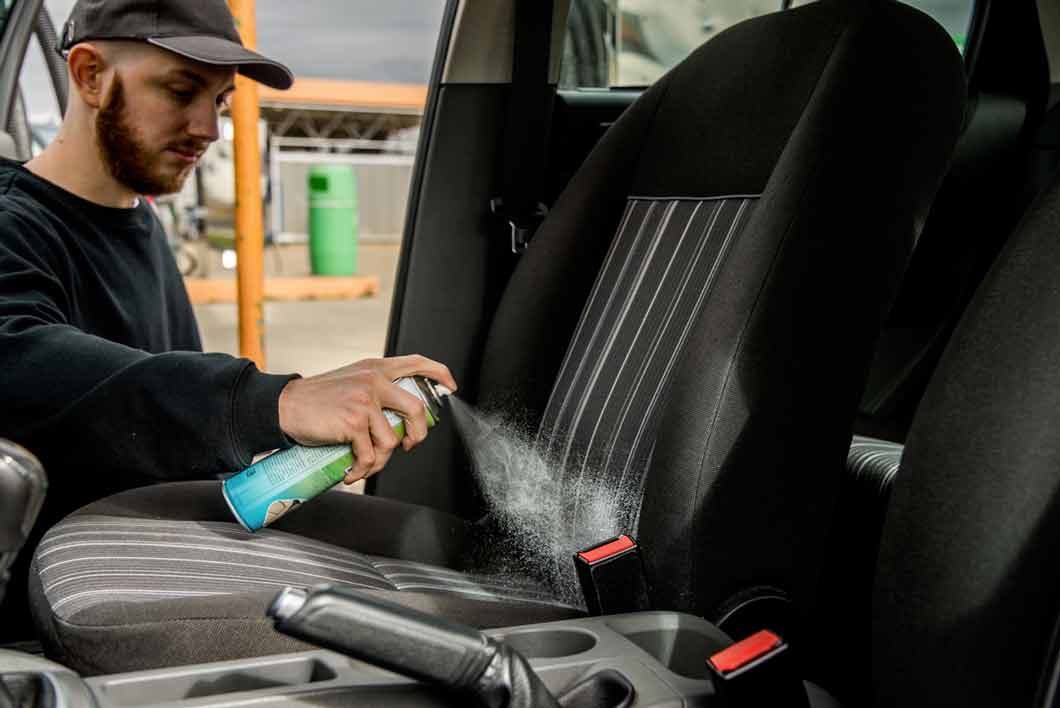
Vous avez passé du temps à brosser, aspirer et traiter les taches. Bravo. Maintenant, passez à la phase suivante : la protection. Un simple protecteur de tissu en spray imperméabilisant change la donne. Il crée une barrière invisible. La saleté ne s’accroche plus. Les liquides perlent au lieu de pénétrer. La prochaine fois que vous renversez du café ou que les enfants traînent des chaussures boueuses, l’essuyage prendra cinq secondes au lieu de cinquante.
La maintenance préventive vaut l’investissement
Nettoyer en profondeur est une course-poursuite. Garder la propreté est une stratégie.
Consacrer une heure par semaine à l’hygiène de l’habitacle paie des dividendes sur la durée. Les sièges en tissu survivent plus longtemps quand on ne les laisse pas pourrir. La règle d’or ? Aspirez une fois par semaine. Éliminez la poussière avant qu’elle ne se transforme en tapis. Traitez les taches immédiatement. Laissez-les sécher, et elles deviennent permanentes.
Les tissus modernes sont résistants, mais ils ont une limite. Une tache de vin rouge qui a macéré pendant trois jours est une battle perdue d’avance.
Les housses : la solution radicale
Vous mangez au volant ? Vous avez des chiens ? Vous vivez dans une région de pluie battante ? Arrêtez de chercher à nettoyer indéfiniment. Installez des housses de siège.
Le marché est saturé d’options. Choisissez-en une qui s’adapte parfaitement à votre marque et modèle. Une housse mal ajustée crée des plis. Les plis retiennent la saleté. Pire, elles peuvent gêner les mouvements du siège.
La compatibilité est non-négociable.
* Airbags : Assurez-vous que les housses sont conçues avec des coutures de déchirure pour laisser passer les coussins gonflables en cas de choc.
* Ceintures : Les fentes pour les ceintures doivent être larges et renforcées pour ne pas se déchirer lors d’un usage quotidien.
Le lavage devient trivialisé. Enlevez-les. Mettez-les en machine. Remettez-les. Vos sièges d’origine restent comme neufs sous la couche protectrice. C’est plus économique qu’un remplacement de capitonnage. C’est plus rapide qu’un nettoyage professionnel mensuel.
Autres lectures indispensables
- 5 astuces pour nettoyer les phares de sa voiture
- 6 astuces pour se débarrasser de l’odeur de tabac dans une voiture
- Mauvaises odeurs dans une voiture : comment les éliminer ?
- 7 méthodes pour laver sa voiture sans eau


