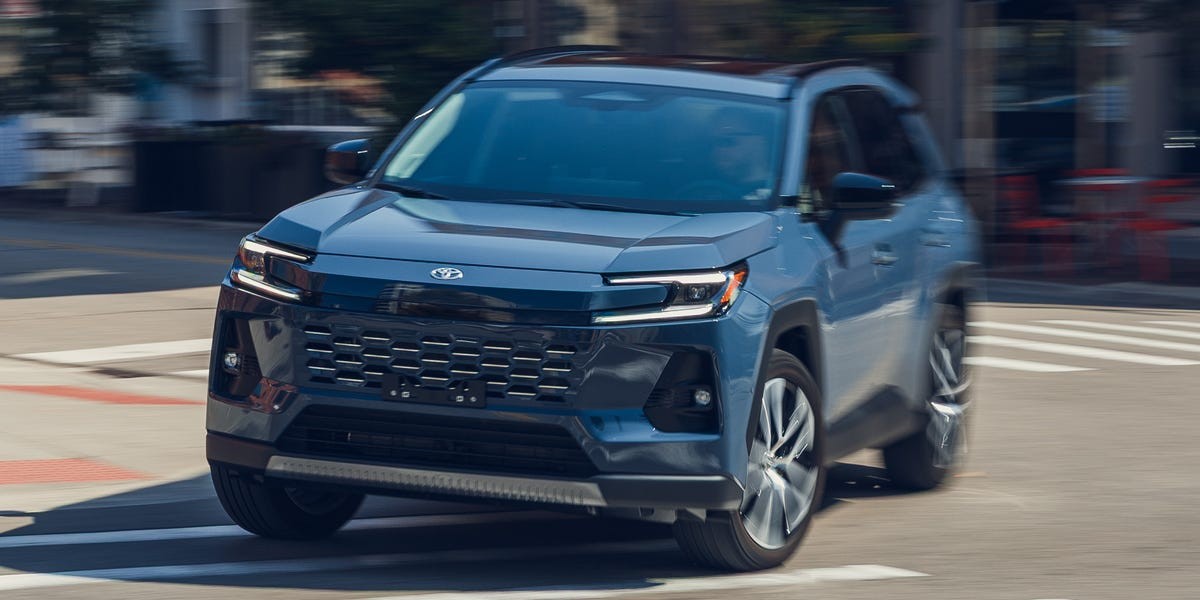
The 2027 Toyota RAV Hybrid keeps its spot on the top sellers list in the US. It’s not a secret why. People buy it because the interior works, it costs less than most rivals, and it sips fuel. The non-hybrid gas engine is gone. It was dropped when Toyota redesigned the SUV for the 2026 year. Now, every model uses electricity and gas together.
Standard hybrids make 226 horsepower. All-wheel-drive versions get a bump to 236 hp. You can also get the plug-in version. That one pushes 324 hp and claims 52 miles of pure electric range. But before you commit, consider the Grand Highlander. For similar money, it offers a third row. Family duty might be better served there.
What Changes for 2027 Model Year?
Not much. The RAV4 got a fresh face and new tech in 2026. This is just the follow-up. You won’t see major shifts here. If you need one now, don’t wait for a magic fix next year.
Pricing and Trims: Which One Makes Sense?
The plug-in hybrid (PHEV) is tempting. It’s faster. It drives punchier. It costs more, though. If you want to go that route, pick the XSE. The SE and GR Sport lack DC fast charging. The Woodland trim looks tough but is less efficient. The XSE hits the sweet spot between utility and speed.
Powertrain and Driving Dynamics
All RAV4s use a 2.5-liter four-cylinders. Standard hybrids add two electric motors. FWD models have 226 hp. Add AWD? A third motor drives the rear wheels. You gain 10 hp, totaling 236. The PHEV adds even more motors. Total output is 324 hp. All-wheel drive comes standard on PHEVs.
Transmission is a continuously variable automatic (CVT). It smooths things out but hides engine noise well.
The GR Sport trim has suspension tuned by Toyota Gazoo Racing. Summer tires come stock. Steering is reworked for sharper feel.
We drove the standard Hybrid. Acceleration was snappy. Smooth too. The gas engine sounded noisy under hard throttle. The Plug-In Hybrid? Much quicker. The GR Sport offers tighter body control. It’s the most fun to drive.
0–60 MPH Times
- Standard Hybrid Limited AWD: 7.1 seconds
- Woodland PHEV: 5.2 seconds
Compare this to the Honda CR-V Hybrid. It tied the RAV4 at 7.1 seconds. The Mazda CX-50 Hybrid took 7.6 seconds. Subaru Forester Hybrid was slower at 8.6 seconds. The RAV4 leads the pack here.
Towing Capacity Explained
Max towing is 3,500 pounds. But not all models can do it.
- 1,750 pounds: FWD RAV4s. Also the all-wheel-drive LE trim.
- 3,500 pounds: All other trims.
If you tow boats or trailers, check the badge. The LE and FWD models are lightweights. Stick to the higher trims if weight matters.
Charging, Battery, and Real-World Range
EPA claims 52 miles of EV range for the PHEV. Reality is grittier. Our highway test at 75 mph got 38 miles in the Woodland. Not bad. Not amazing.
Charging times vary. Toyota says 10% to 80% takes 30 minutes on DC fast chargers. But only two trims have DC fast charging: XSE and Woodland PHEVs.
The SE PHEV? No DC fast charging. It’s slower.
The GR Sport PHEV? Also lacks DC fast charging.
Plan accordingly. If you rely on fast charging, stick to the XSE or Woodland.
Fuel Economy Estimates
EPA numbers for the hybrid lineup are strong.
- Most Efficient (FWD): 47 city / 40 highway / 43 combined.
- AWD Models: Up to 46 city / 39 highway / 42 combined.
- Woodland Trim: Least efficient. 41 city / 35 highway / 38 combined.
Our 75-mph highway test got 36 mpg from the Limited AWD Hybrid. The Woodland PHEV hit 35 mpg.
Toyota estimates PHEV efficiency:
* SE/XSE: 41 mpg combined
* Woodland: 38 mpg combined
* GR Sport: 37 mpg combined
Interior and Cargo Space
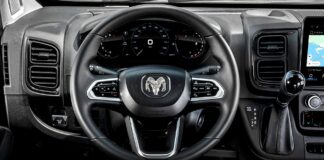
The dash is blocky. Rugged looking. Easy to use. Center console has bins. Shifter is a low-profile toggle in many models. Saves space. Makes it easy to grab drinks or phones.
Upholstery depends on the trim. Cloth or faux leather on base models. XSE and GR Sport get faux suede with red stitching.
Second row offers decent legroom. Adults can fit. Rear seats fold flat.
- Behind Rear Seats: Fits 10 carry-on suitcases.
- Rear Seats Folded: 24 cases.
Reasonable cargo capacity. Not class-leading. But sufficient for most.
Tech and Infotainment
Base models get a 10.5-inch touchscreen. Optional upgrade is 12.9 inches. Both run wireless Apple CarPlay and Android Auto via Bluetooth. You can pair two phones simultaneously.
Digital gauge cluster is 12.3 inches standard. Head-up display? Only on Limited and XSE trims.
Audio starts with six speakers. Upgrade to nine-speaker JBL system if you listen to music a lot.
Safety Features
Toyota Safety Sense is standard on every trim. You get lane-keeping assist and adaptive cruise control right away.
Optional extras include parking sensors. Driver-attention monitor. 360-degree camera system. Check NHTSA and IIHS sites for crash stats.
Warranty and Maintenance
Toyota backs the RAV4 with solid coverage.
- Limited Warranty: 3 years / 36,000 miles
- Powertrain Warranty: 5 years / 60,000 miles
- Hybrid Components: 10 years / 150,000 months
- Complimentary Maintenance: 2 years / 25,000 miles
That free maintenance period is rare. Honda and Nissan usually charge for scheduled service in year one and two. Toyota covers it.
Verdict
The 2027 RAV4 Hybrid isn’t revolutionizing the segment. It’s refining what already works. Fast plug-in performance. Efficient hybrid options. Spacious interiors. It’s a practical choice for families and commuters alike. If you need DC fast charging, choose the XSE or Woodland PHEV. Otherwise, the standard Hybrid handles daily tasks well without frequent stops at the pump. The market is crowded. But the RAV4 stays ahead by being reliably good. Not perfect. Just good. And for many, that’s enough.